Natural pest-control market could hit $10 billion by 2025, as farmers seek new tools to battle pesticide-tolerant bugs

unnamed file
mushroom-based biopesticides could cut environmental damage from synthetic chemicals

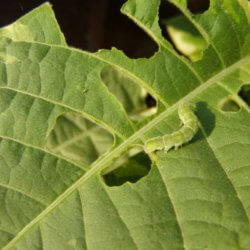
For decades, Adam Baldwin’s family used chemicals with multisyllabic names to keep caterpillars such as earworms and podworms from chomping their corn, soybeans, and sorghum. While the pesticides were generally effective in getting rid of the hungry invaders, they also killed beneficial insects such as ladybugs …. So for the past two years, Baldwin, a fifth-generation farmer in McPherson County, Kan., has used a lab-grown virus that takes out the caterpillars while leaving other bugs alone.

The virus is one of a growing number of tools that provide natural protection for crops, ranging from bacteria to insect sex pheromones to substances derived from spider venom. Global sales of such products will double to $10 billion annually by 2025, researcher DunhamTrimmer LLC predicts.

Pests, fungi, and weeds reduce crop yields by as much as 40% globally, costing $1.4 trillion a year, according to CABI, an English nonprofit that researches agriculture. The damage is growing as many insects develop resistance to established treatments, which spurs farmers to spray even more chemicals on their fields.

Read full, original article: From Lethal Viruses to Insect Sex, Farmers Use Bugs to Kill Bugs

Related Articles

Infographic: Global regulatory and health research agencies on whether glyphosate causes cancer

Infographic: Global regulatory and health research agencies on whether glyphosate causes cancer

Does glyphosate—the world's most heavily-used herbicide—pose serious harm to humans? Is it carcinogenic? Those issues are of both legal and ...

Most Popular

ChatGPT-Image-Mar-10-2026-01_39_01-PM
Viewpoint—“Miracle molecule” debunked: Why acemannan supplements don’t work
ChatGPT-Image-Sep-17-2026-12_28_43-PM
Vitamin D, omega-3 fish oil and glucosamine supplements could cause brain damage 
ChatGPT-Image-Sep-17-2026-10_17_15-AM
Viewpoint: Why are the less intelligent more likely to be conservative—and smarter people more socially liberal?
Screenshot-2026-08-19-at-6.19.42-PM
Facts & Fallacies podcast: 'Regenerative farming'? RFK Jr.’s federal push romanticizes the past and risks food security
Screenshot-2026-09-10-at-12.20.19-PM
'Jet fuel didn't melt the steel': 9/11 conspiracy theories debunked
Screenshot-2026-08-12-at-11.31.46-AM
AI is helping develop new vaccines
ChatGPT-Image-Aug-28-2026-03_33_46-PM
Viewpoint: Bad science—Five bogus Trump administration claims about vaccines and autism
ChatGPT-Image-Sep-9-2026-02_48_24-PM
Viewpoint: Trump-RFK Jr. report on “Gender Ideology & Left-wing Ideology’ targets LGBTQ community—and science
Screenshot-2026-09-14-at-4.31.14-PM
Viewpoint: What’s the likely impact when the EPA loosens rules limiting methane pollution from oil and gas wells?
Eating Nuts Adds up to Longer Life x
For millions with peanut allergies, Nurtured Nuts’ CRISPR gene-edited peanuts could ease the fear of accidental exposure
ChatGPT-Image-Sep-13-2026-10_46_11-AM
“Hit the brakes”: Anthropic warns the race to superintelligence could spawn internet-seizing AI swarms—and empower authoritarians. Here’s how to stop it.
Screenshot-2026-09-15-at-11.04.54-AM
Viewpoint: Childhood deaths in dispute: Why the CDC vs Pennsylvania conflict over measles vaccines matters
glp menu logo outlined

Get news on human & agricultural genetics and biotechnology delivered to your inbox.