Viewpoint: Farming one of the ‘most inefficient industries.’ The CRISPR revolution could change that

plant x
Credit: Michael Gottschalk/Photothek/Getty Images

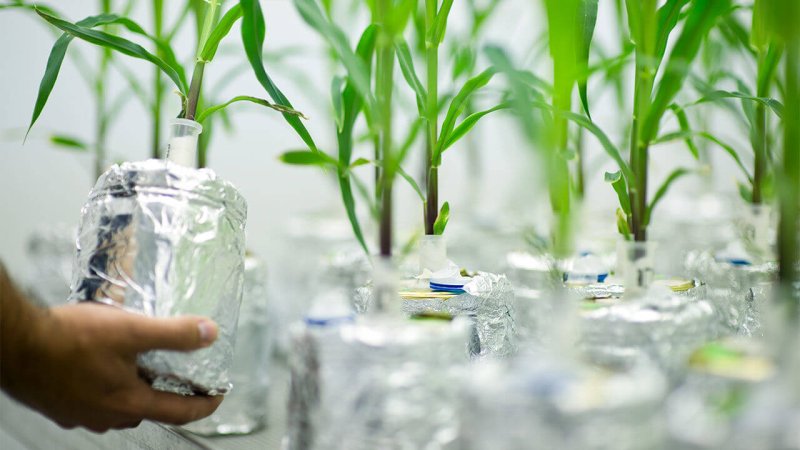
Agriculture is one of the most inefficient industries on the planet. Current industrial farming methods demand unsustainable amounts of water, fertilizer, and land. This demand will only intensify as our global population climbs towards 10 billion by 2050. To sustainably feed our world, we need a second agricultural revolution.

It’s no surprise to find synthetic biology leading this revolution. To disrupt and transform old industries, we need to work with nature, not against it. That’s the philosophy behind Inari, one of the newest companies reimagining the agricultural space. Inari is leveraging the gene-editing technology CRISPR to build the world’s first Seed Foundry™. We spoke with Ponsi Trivisvavet, CEO and director of Inari, about the company’s process and vision for the future of agriculture.

Mis- and disinformation are distorting science and public policy. Subscribe to our Daily and Weekly Digests for incisive coverage of ‘disruptive’ innovations in AI, agricultural biotechnology, food, chemicals, nuclear energy, vaccines, and other disruptive innovations.

The genomic diversity of plants is central to Inari’s mission. In order to produce crops optimized for a wide range of climates, altitudes, and soils, the company needs a catalog with as many options as possible. “We use diverse tools that are true to nature in order to bring biodiversity back into crops, and this allows crops to actually have better productivity,” says Trivisvavet. Certain crop phenotypes require less water or utilize fertilizer more efficiently. Reintroducing these crop varieties back into the field can reduce cost burdens on farmers and dramatically improve soil health.
Read the original post

Related Articles

Infographic: Global regulatory and health research agencies on whether glyphosate causes cancer

Infographic: Global regulatory and health research agencies on whether glyphosate causes cancer

Does glyphosate—the world's most heavily-used herbicide—pose serious harm to humans? Is it carcinogenic? Those issues are of both legal and ...

Most Popular

ChatGPT-Image-Mar-10-2026-01_39_01-PM
Viewpoint—“Miracle molecule” debunked: Why acemannan supplements don’t work
ChatGPT-Image-Sep-17-2026-12_28_43-PM
Vitamin D, omega-3 fish oil and glucosamine supplements could cause brain damage 
ChatGPT-Image-Sep-17-2026-10_17_15-AM
Viewpoint: Why are the less intelligent more likely to be conservative—and smarter people more socially liberal?
Screenshot-2026-09-10-at-12.20.19-PM
'Jet fuel didn't melt the steel': 9/11 conspiracy theories debunked
ChatGPT-Image-Aug-28-2026-03_33_46-PM
Viewpoint: Bad science—Five bogus Trump administration claims about vaccines and autism
Screenshot-2026-09-10-at-11.50.46-AM
Did COVID vaccines kill 2,500 service members? RFK Jr. hires an investigator who compares vaccine promoters to Nazi doctors
Screenshot 2026-07-29 at 10.40
The COVID vaccine turbo cancer scare is back. Science still proves it’s wrong.
Screenshot-2026-09-16-at-12.07.47-PM
The heated debate over trans athletes in the WNBA
glp menu logo outlined

Get news on human & agricultural genetics and biotechnology delivered to your inbox.