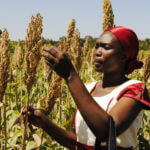

The worst-case consequences of rising temperatures and drought played out this year in Madagascar with the first famine induced by climate change. Research suggests an additional 600 million people could be facing hunger by 2050 with a 2°C increase in global temperatures.
The international community needs new policies, technologies, and institutions to drive changes in the way we feed ourselves, adapt farming to the consequences of climate change, and mitigate the third of total greenhouse gas emissions caused by food production, distribution, and consumption.
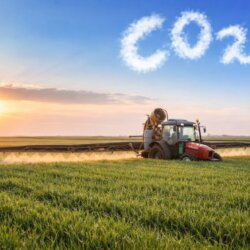



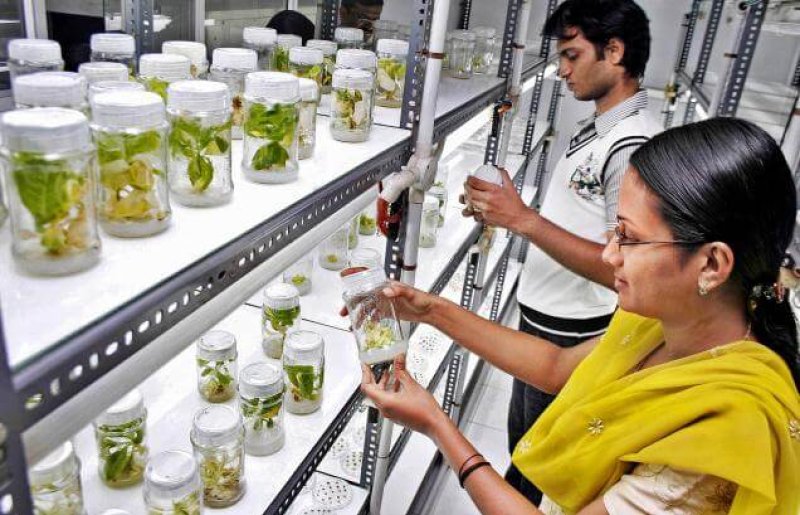
Agricultural research has the potential to help break the feedback loop that currently means food systems are now suffering as a direct result of the emissions they, in part, have contributed.
And by investing in research, it is possible for science and innovation to transform agriculture into part of the climate solution, with the opportunity to reduce emissions while also tackling hunger, malnutrition and poverty.