FDA ban on sperm donations by gay and bisexual men is loosening

Credit: Flo Health
Credit: Flo Health

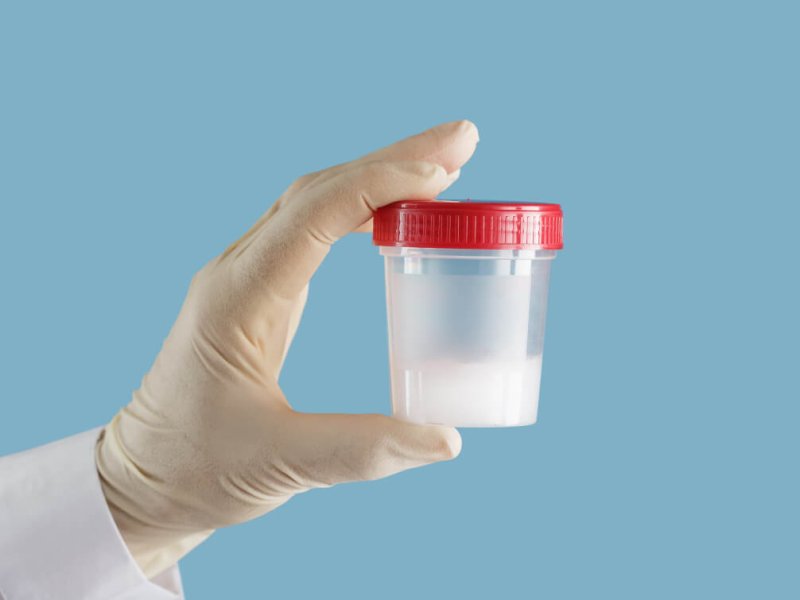
After years of public criticism, the Food and Drug Administration in 2020 relaxed its rules regarding blood donation by men who have sex with men. Now the agency is being asked to consider revising its policy again—this time to facilitate sperm donations by these men.

The FDA requires sperm banks to test all donors for HIV, the virus that causes AIDS, and other pathogens and to quarantine vials for at least six months so that the donors can be retested. 

Follow the latest news and policy debates on sustainable agriculture, biomedicine, and other ‘disruptive’ innovations. Subscribe to our newsletter.

“The FDA believes that overlapping safeguards in place for anonymous semen donations adequately and appropriately reduce the risk of transmission of communicable diseases,” an agency spokeswoman said.

Professional and advocacy groups are seeking changes to the agency’s policies.

The American Association of Tissue Banks has asked the FDA to apply its updated rule for blood donation to all types of tissue, a term that encompasses corneas and skin as well as sperm. 

Medical organizations aren’t alone in pressing for change.

We want the FDA to overturn the ban,” said Suzanne Currie, who along with her wife, Caroline, had two children in recent years using sperm donated by a man who had acknowledged having sex with men. “If someone is healthy and passes all the tests, then their sexuality should have nothing to do with donating.”


This is an excerpt. Read the original post here. 

{{ reviewsTotal }}{{ options.labels.singularReviewCountLabel }}
{{ reviewsTotal }}{{ options.labels.pluralReviewCountLabel }}
{{ options.labels.newReviewButton }}
{{ userData.canReview.message }}

Related Articles

Infographic: Global regulatory and health research agencies on whether glyphosate causes cancer

Infographic: Global regulatory and health research agencies on whether glyphosate causes cancer

Does glyphosate—the world's most heavily-used herbicide—pose serious harm to humans? Is it carcinogenic? Those issues are of both legal and ...

Most Popular

ChatGPT-Image-Apr-20-2026-11_17_18-AM-2
10,000 scientists gone: Trump’s cuts create an unprecedented brain drain
ChatGPT-Image-Apr-23-2026-09_20_20-PM
Kennedy’s CDC blocks publication of study that shows vaccines reduce hospitalizations by 50%, then misrepresents why
ChatGPT-Image-Apr-22-2026-04_31_20-PM
‘Irresponsible decision’? On mandatory military flu shots, Hegseth chooses ‘freedom’ over health
ChatGPT-Image-Apr-20-2026-12_28_36-PM
Vaccine skepticism is a growing global problem
Screenshot-2026-04-22-at-4.10.32-PM
Viewpoint — ‘Completely unethical’: RFK, Jr.’s medical ignorance deprives melanoma cancer-sufferers of a life-saving therapy
Screenshot-2026-04-13-at-3.54.04-PM
AI disinformation stress test: Challenges and response strategies
ChatGPT-Image-Mar-11-2026-11_58_46-AM
The Trump administration has run out more than 4,000 National Institutes of Health employees. Here are the consequences
ChatGPT-Image-Apr-17-2026-03_30_52-PM
Food labels, decoded: What they really mean
images
The never-ending GMO debate: Pros and cons
Screenshot-2026-04-15-at-1.22.58-PM
Anti-biotechnology activists smear hybrid wheat breakthrough that could surge yields in poorer countries
ChatGPT-Image-Mar-2-2026-03_22_54-PM
Why ‘support supplements’ for GLP-1 users are mostly a waste of money
glp menu logo outlined

Get news on human & agricultural genetics and biotechnology delivered to your inbox.