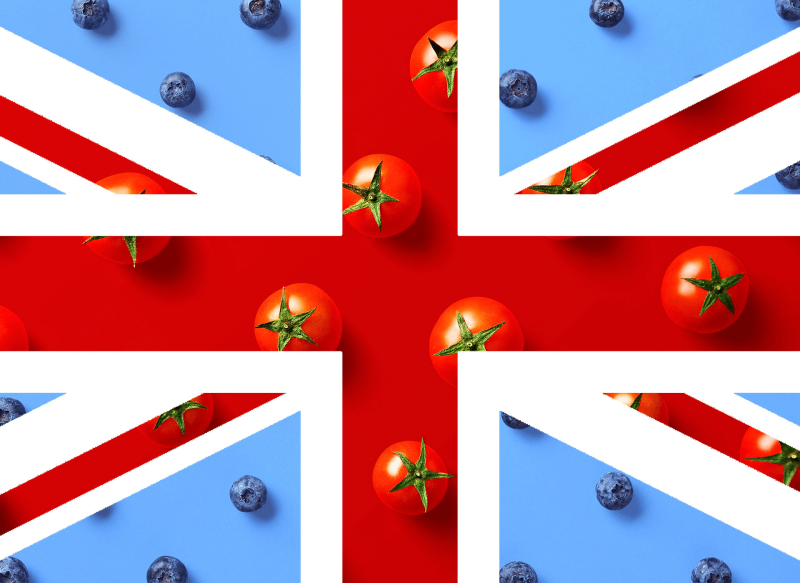
Prospective UK precision breeding bill could unshackle gene editing from outdated GMO regulations

Credit: Verdict
Credit: Verdict

“There is a huge body of scientific evidence that modern genetic manipulation tools, whether that’s CRISPR-Cas9 gene editing or other methodologies, are frankly safer than the methodologies that have historically been used for the last hundred years,” said Neil Ward, vice president and general manager EMEA of the U.S. DNA sequencing player Pacific Biosciences (PacBio).

In a landmark ruling in 2018, the EU applied the same strict regulations to gene-edited organisms as it does to GMOs. While some groups approve of this classification, the regulations are widely seen in the biotech industry as unfit for purpose because it’s very hard to detect these organisms in imports, and the controls are likely holding back technology that could improve food security around the world.

Follow the latest news and policy debates on sustainable agriculture, biomedicine, and other ‘disruptive’ innovations. Subscribe to our newsletter.

When it was part of the EU, the U.K. had to follow the same rules as the bloc. Now that the nation is out of the club, however, the U.K. government aims to make reforms. A bill called the Genetic Technology (Precision Breeding) Bill entered the U.K. parliament earlier this year proposing that gene-edited organisms be treated with less regulatory scrutiny than traditional GMOs, allowing new foods to enter the market faster. The bill will be debated by members of parliament before moving ahead in the lawmaking process.


This is an excerpt. Read the original post here

Related Articles

Infographic: Global regulatory and health research agencies on whether glyphosate causes cancer

Infographic: Global regulatory and health research agencies on whether glyphosate causes cancer

Does glyphosate—the world's most heavily-used herbicide—pose serious harm to humans? Is it carcinogenic? Those issues are of both legal and ...

Most Popular

Picture1
Hiroshima at 81: America’s new nuclear bomb, a buried Iranian target, and a question no one wants to ask
ChatGPT-Image-Jul-31-2026-07_35_35-AM
Wikipedia has assembled an informative list of fake news websites from across the ideological spectrum
png livestock cow cattle a
Consumer skepticism about gene-edited milk is neither fixed nor particularly high—and falls even more if it’s priced lower
Screenshot-2026-08-03-at-2.15.16-PM
Viewpoint: Trump’s relaxed controls on supplying China with microchips could undermine U.S. AI dominance
Screenshot-2026-08-03-at-2.25.49-PM
As measles vaccination rates collapse, scientists push for treatments long considered unnecessary
ChatGPT-Image-Mar-10-2026-01_39_01-PM
Viewpoint—“Miracle molecule” debunked: Why acemannan supplements don’t work
Screenshot-2026-07-31-at-10.52.03-AM
Love sweets and fatty foods? You can blame your genes, but there are ways to quell the obsessions
ChatGPT Image Jul 29, 2026, 09_08_15 AM 2
The retreat of environmental extremism: Why activist NGOs are losing favor
Screenshot-2026-07-17-at-1.34.59-PM
Poll: Vaccine hesitancy soars when patients distrust health providers and turn to social media
ChatGPT Image Jul 29, 2026, 10_17_59 AM
Viewpoint: What does it mean when critics of conventional agriculture say many fruits and vegetables are “linked” to pesticide poisoning?
Screenshot-2026-08-03-at-2.06.39-PM
Viewpoint: Green energy supporters ‘fight back’ against conservative foundations backing  fossil fuel industry
ChatGPT Image Jul 31, 2026, 08_05_37 AM
With trust in RFK, Jr.'s CDC vaccine advice collapsing, physicians scramble to fill the information gap
glp menu logo outlined

Get news on human & agricultural genetics and biotechnology delivered to your inbox.