ACL tear? One of athletes’ greatest fears can be repaired – without surgery but with biologics

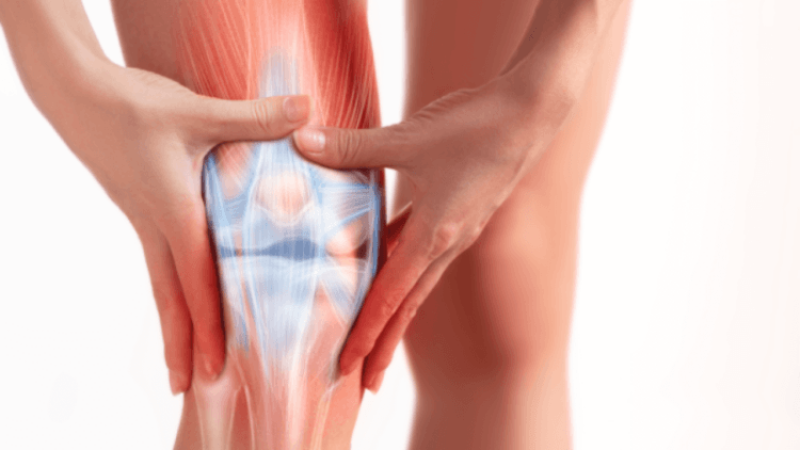
torn acl
Credit: Sport - Orthopedics & Physical Therapy

Treatment for a torn ACL typically involves surgically reconstructing the ligament with harvested tissue.

But what if a new type of treatment could prompt the ruptured ligament to just grow back together again, eliminating the need to harvest replacement tissue?

Moving beyond reconstruction toward restoration, or enabling the ligament to repair itself, is the idea behind an emerging area of orthopedics that looks to harness biologics—in some cases animal tissue augmented with human blood and other growth factors—to rally the body’s natural healing processes.

One method that’s already in use in some cases is the Bridge-Enhanced ACL Restoration Implant—known as the BEAR implant—which encourages the stumps of a torn ACL to grow back together.

The procedure utilizes a cylindrical marshmallow-like implant made of bovine collagen injected with a patient’s blood, and the growth factors therein that proponents say can help jump-start healing.

Follow the latest news and policy debates on sustainable agriculture, biomedicine, and other ‘disruptive’ innovations. Subscribe to our newsletter.

The recovery and return-to-sport time lines are currently comparable with those of reconstruction, though the rehabilitation process for BEAR implant patients requires a healing period with less activity during the first six weeks.

Proponents said the BEAR implant shows that the concept of enhancing the body’s natural capacity to heal itself with biologics can work.


This is an excerpt. Read the original post here

{{ reviewsTotal }}{{ options.labels.singularReviewCountLabel }}
{{ reviewsTotal }}{{ options.labels.pluralReviewCountLabel }}
{{ options.labels.noReviewsLabel }}
{{ options.labels.newReviewButton }}
{{ userData.canReview.message }}

Related Articles

Infographic: Global regulatory and health research agencies on whether glyphosate causes cancer

Infographic: Global regulatory and health research agencies on whether glyphosate causes cancer

Does glyphosate—the world's most heavily-used herbicide—pose serious harm to humans? Is it carcinogenic? Those issues are of both legal and ...

Most Popular

organic scaled
Facts & Fallacies podcast: Organic food cuts pesticide exposure? A response to Dr. Rhonda Patrick
ChatGPT-Image-Mar-10-2026-01_39_01-PM
Viewpoint—“Miracle molecule” debunked: Why acemannan supplements don’t work
Screenshot-2026-07-01-at-2.49.48-PM
Dr. TikTok and male fertility: Viral claims tout GLP-1 drugs as fertility boosters. What does the science say?
ChatGPT-Image-Jun-25-2026-02_53_56-PM
Embryo gene editing is on the horizon, stirring mixed emotions
using genetics to reverse aging
Is the longevity obsession a new form of ageism?
ChatGPT-Image-Jul-6-2026-02_25_26-PM
40 million Americans take glucosamine. If you have memory loss, it could accelerate cognitive decline.
kratom
Viewpoint: Kratom ‘supplement’ crisis: DEA sits on its hands while patient addictions to this ineffective drug  rise
Screenshot 2026-07-22 at 10.25
Science brain drain escalates as Trump purge extends to USDA
a-mature-farmer-working-in-the-field-at-sunrise-harvesting-crops-generated-by-ai-photo
What’s the prospect of developing gene-altered crops that are more nutritious and resist climate disruption
Blood blockage
High cholesterol? FDA approves effective oral medication
Screenshot-2026-07-21-at-6.22.06-PM
The Indian physician’s one-woman battle against health disinformation on Wikipedia
png-upside-food-syn-bio-cultured-meat
Regulating cultured meat around the world
ChatGPT-Image-Jun-25-2026-12_23_17-PM
No, Bill Gates did not secretly engineer ticks to promote veganism
YearReview Grift
Viewpoint: A practical guide to evaluating social media wellness hype
glp menu logo outlined

Get news on human & agricultural genetics and biotechnology delivered to your inbox.