Viewpoint: Media hypocrisy — ‘What makes oil companies’ climate change disinformation different from ‘backward progressives’ GMO rejectionist campaigns?’

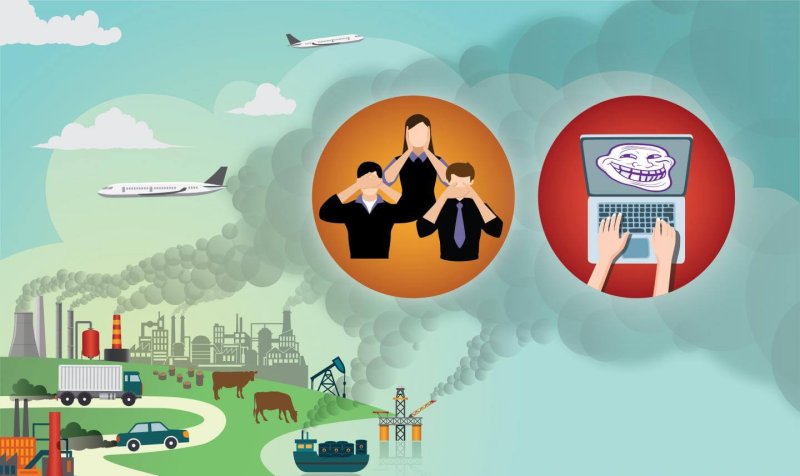
Why do politicians only focus on supposed disinformation from the oil industry?Credit: Yen Strandqvist via Chalmers University of Technology

The media often has difficulty deciding what counts as obvious disinformation or falsehoods. But supposed disinformation about climate change is a problematical question, which hasn’t stopped numerous efforts such as a suit by Delaware to punish oil companies for their alleged disinformation campaign surrounding climate change and its effects. It’s rather like the common attitude, ‘I’m in favor of free speech, but this case is different….’

An informed observer might wonder what makes alleged climate change disinformation different from so many other examples that go unremarked on?

Mis- and disinformation are distorting science and public policy. Subscribe to our Daily and Weekly Digests for incisive coverage of ‘disruptive’ innovations in AI, agricultural biotechnology, food, chemicals, nuclear energy, vaccines, and other disruptive innovations.

Genetically modified organisms (GMO) in agriculture are still subject to disinformation, with claims that they produce ‘toxic’ food and can change human DNA. In fact, they have been intensively studied and the warnings have been widely debunked, with the scientific community demanding that such claims be withdrawn.

Nearly identical opposition to vaccines has been common historically, with modern opposition predating the current pandemic, although that added a political element to the opposition.

…

Failure to adopt GMO foods in many countries has reduced food production and increased malnutrition and even starvation, as well as increasing habitat loss and reducing biodiversity. Untold thousands, even millions, have died because of disinformation about vaccines while reliance on coal instead of nuclear power has meant possibly millions of additional deaths from pollutants and increased greenhouse gas emissions.


This is an excerpt. Read the original post here

Related Articles

Infographic: Global regulatory and health research agencies on whether glyphosate causes cancer

Infographic: Global regulatory and health research agencies on whether glyphosate causes cancer

Does glyphosate—the world's most heavily-used herbicide—pose serious harm to humans? Is it carcinogenic? Those issues are of both legal and ...

Most Popular

ChatGPT-Image-Mar-10-2026-01_39_01-PM
Viewpoint—“Miracle molecule” debunked: Why acemannan supplements don’t work
ChatGPT-Image-Sep-10-2026-10_36_07-AM
Viewpoint: Even lousy scientific articles can shield authors when they hype dubious health claims and products
sorghum farmers in kenya FARMERS TREND
Here are all the ways CRISPR gene editing is transforming Africa’s staple crops—and there’s a lot more innovation to come
Screenshot-2026-10-01-at-11.21.27-AM
Vaccine hesitancy, like malaria, surges globally, topping 35% in some countries
ChatGPT-Image-Sep-30-2026-01_25_34-PM
Blood tests for Alzheimer’s? The latest grifter, social media scam.
ChatGPT-Image-Sep-30-2026-01_11_07-PM
How U.S. teamed with Russia to block global human AI weapons oversight
ChatGPT-Image-Sep-30-2026-01_38_36-PM
Viewpoint: Died “with measles” vs. died “from measles”: RFK, Jr.’s dangerously subversive word games
ChatGPT-Image-Sep-21-2026-03_15_09-PM
Viewpoint: Chipotle-inspired lesson: 10,000 sick customers suggest that processed foods can be safer than fresh ones
ChatGPT-Image-Sep-29-2026-12_16_42-PM
Social media influencers are driving food misinformation across Europe
Screenshot-2026-09-28-at-1.16.38-PM
Defying public perceptions, U.S. cancer deaths plunged 35% since 1991
glp menu logo outlined

Get news on human & agricultural genetics and biotechnology delivered to your inbox.