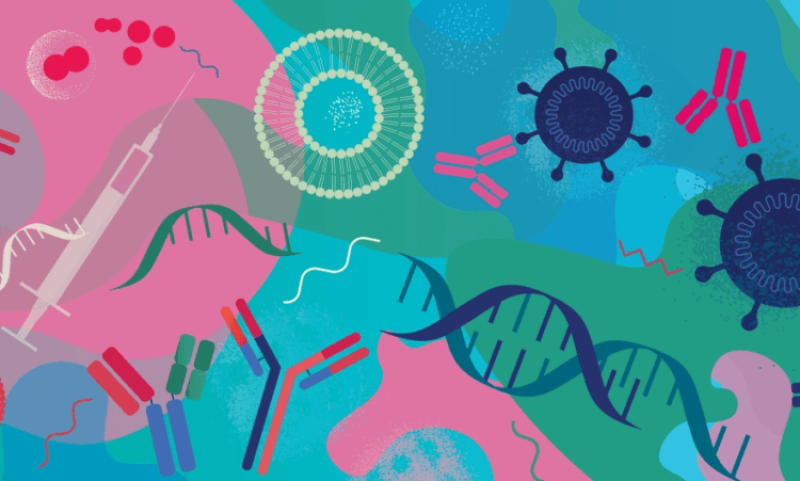
We’re on the cusp of spellbinding advances in treating malaria and tuberculosis thanks to mRNA technology used in COVID vaccine breakthroughs

the magic of mRNA
Credit: iStock

The successful development of the first mRNA vaccines against Covid-19 in 2020 was an unprecedented achievement in the history of medicine. That success was built on iterative progress over decades, driven by the independent contributions of scientists around the world.

Mis- and disinformation are distorting science and public policy. Subscribe to our Daily and Weekly Digests for incisive coverage of ‘disruptive’ innovations in AI, agricultural biotechnology, food, chemicals, nuclear energy, vaccines, and other disruptive innovations.

The potential of mRNA vaccines goes beyond the coronavirus. We now want to use this technology to tackle two of the world’s oldest and deadliest pathogens: malaria and tuberculosis. Worldwide, there are around 10 million new cases of tuberculosis every year. For malaria, the medical need is even higher: about 230 million malaria cases have been reported in the WHO Africa region in 2020, with most deaths occurring among children under 5.

The convergence of medical advances—from next-generation sequencing to technologies to characterize immune responses on large data sets—boosts our ability to discover ideal vaccine targets. Science has also made progress in understanding how malaria and tuberculosis pathogens hide and evade the immune system, providing insights into how to combat them.


The ongoing revolution in computational protein structure prediction allows for the modeling of three-dimensional structures of proteins. This is helping us decipher regions in these proteins that are optimal targets for vaccine development.
This is an excerpt. Read the full article here

Related Articles

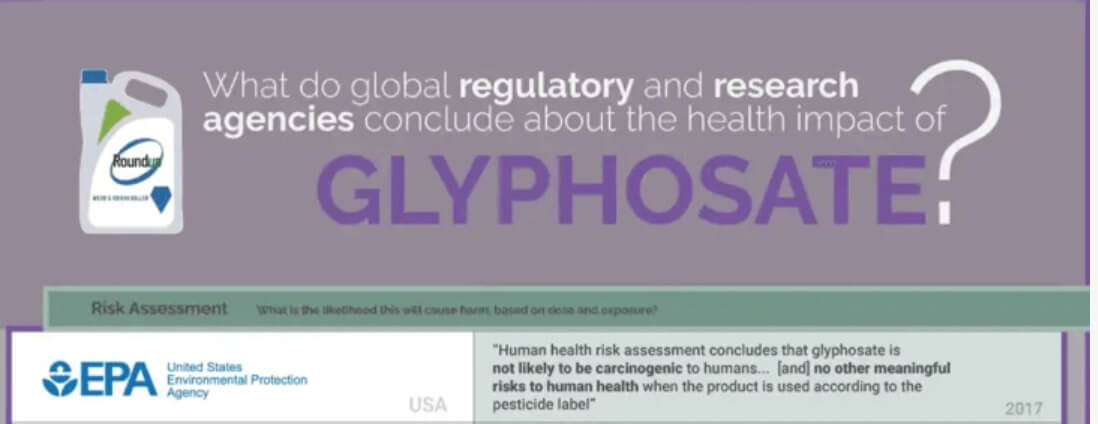
Infographic: Global regulatory and health research agencies on whether glyphosate causes cancer

Infographic: Global regulatory and health research agencies on whether glyphosate causes cancer

Does glyphosate—the world's most heavily-used herbicide—pose serious harm to humans? Is it carcinogenic? Those issues are of both legal and ...

Most Popular

Glossy Plastic Bag of Tokens and Labels
Viewpoint: How CNN got played by environmental activists pushing a plastics scare and litigation agenda
Neon Syringe Portrait with BPC-157
Viewpoint: Peptides and medical freedom: The MAHA obsession that can damage your health
Screenshot-2026-10-21-at-11.30.51-AM
Viewpoint: Yes, our food system stinks, but the attack of ultra-processed foods is often misplaced
ChatGPT-Image-Mar-10-2026-01_39_01-PM
Viewpoint—“Miracle molecule” debunked: Why acemannan supplements don’t work
Screenshot-2026-10-30-at-11.36.40-AM
An Earth-saving benefit of global warming?: How fossil fuel-burning humans stopped the looming Ice Age
Robots in a Futuristic Conference Meeting
Helpful until we’re helpless? Researchers warn AI is gradually eroding human control
Screenshot 2026-07-29 at 10.40
The COVID vaccine turbo cancer scare is back. Science still proves it’s wrong.
Screenshot 2026-10-27 at 10.32
“Do your own research”: What Medicare’s annual open enrollment circus teaches us about the seductive trap of DIY health and science
Screenshot-2026-10-30-at-11.20.30-AM
‘Silent killer’: Hepatitis B could surge under Trump–RFK Jr. rollback of newborn vaccine recommendations
Patriotic Flag in a Glass Flask
Viewpoint: America Last: From the Pentagon to universities, Trump’s corruption of science could inflict lasting, irreversible damage on U.S. research
Screenshot 2026-10-20 at 1.37
Race against food rot: How AI and gene editing could slash fruit and vegetable waste
Screenshot-2026-10-29-at-10.31.49-AM
Solar engineering to cool the planet might well work. Could it touch off a geoengineering arms race?
glp menu logo outlined

Get news on human & agricultural genetics and biotechnology delivered to your inbox.