Cuba poised for production of wheat modified by radiation mutagenesis that adapts to extreme heat and climate fluctuations

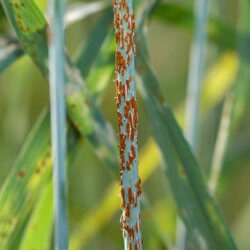
Credit: A. Yaqub/CIMMYT CC BY-NC-SA 2.0

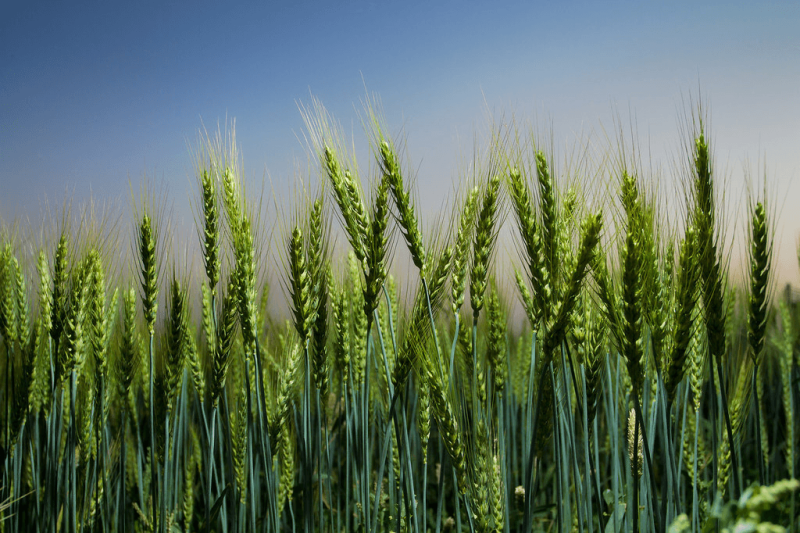
The history of Cuban science is full of the challenges faced by daring, diligent and, above all, persistent researchers. An example of this are the scientists who have tried to introduce and promote wheat in our country, a staple food on a global scale.

Mis- and disinformation are distorting science and public policy. Subscribe to our Daily and Weekly Digests for incisive coverage of ‘disruptive’ innovations in AI, agricultural biotechnology, food, chemicals, nuclear energy, vaccines, and other disruptive innovations.

Actions to obtain a variety adapted to our climate started with the study of the Brazilian variety BH 11-46. Through the selection of its best genotypes, the 204 selection was achieved, which was tested in different parts of the country.

This gave rise to Cuba C – 204, the first Cuban wheat variety. Compared to the original, notable changes were observed in the height and size of the ears. When evaluating the growth parameters, it germinates 3-4 days after sowing, begins to sprout at 11 days and the ears at 43 days. The harvest takes place between 90 and 100 days.

The results were impressive. Seven new wheat varieties appeared in the Cuban scientific and agricultural panorama: Inifat RM-26, Inifat RM-29, Inifat RM-30, Inifat RM-31, Inifat RM-32, Inifat RM-36 and Inifat RM-37. These new varieties make possible to design an appropriate planting policy according to the characteristics of each one.

Cuba finally obtained eight wheat varieties. Common to all of them is the three-month cycle, uniform ripening, yields of two tons per hectare (in rainfed conditions) and more, as well as resistance to drought, salinity and lodging.


This is an excerpt. Read the original post here

Related Articles

Infographic: Global regulatory and health research agencies on whether glyphosate causes cancer

Infographic: Global regulatory and health research agencies on whether glyphosate causes cancer

Does glyphosate—the world's most heavily-used herbicide—pose serious harm to humans? Is it carcinogenic? Those issues are of both legal and ...

Most Popular

ChatGPT-Image-Sep-2-2026-02_03_32-PM
AI data centers and water usage: It’s a genuine and growing problem
ChatGPT-Image-Mar-10-2026-01_39_01-PM
Viewpoint—“Miracle molecule” debunked: Why acemannan supplements don’t work
Screenshot-2026-09-16-at-3.14.20-PM
19%: Plunging support for Trump-RFK, Jr. measles vaccine safety oversight
ChatGPT-Image-Sep-10-2026-01_44_53-PM
Viewpoint: Why medical and health nonsense spreads so casually on pop culture media
ChatGPT-Image-Sep-17-2026-12_28_43-PM
Vitamin D, omega-3 fish oil and glucosamine supplements could cause brain damage 
ChatGPT-Image-Sep-16-2026-11_28_54-AM
Viewpoint: Study links childhood vaccination to autism!!! Here’s how anti-vaxxers twist evidence to corrupt science
Screenshot-2026-09-16-at-2.26.42-PM
Viewpoint: How to ecologically damage America’s forests: Ban glyphosate
ChatGPT-Image-Sep-21-2026-10_18_59-AM-2
Viewpoint: Is corporate embrace of regenerative agriculture greenwashing?
ChatGPT-Image-Sep-21-2026-10_55_04-AM
Viewpoint: America’s food-safety system is being methodically dismantled by the Trump administration.
ChatGPT-Image-Sep-17-2026-11_03_54-AM-2
AI sparks a bioweapons race
ChatGPT-Image-Sep-20-2026-09_47_55-AM
Trump says he’ll require drugmakers to end multiple vaccine doses, reviving discredited autism claims
glp menu logo outlined

Get news on human & agricultural genetics and biotechnology delivered to your inbox.