Viewpoint: How agricultural biotechnology can help North American farmers cope with climate change

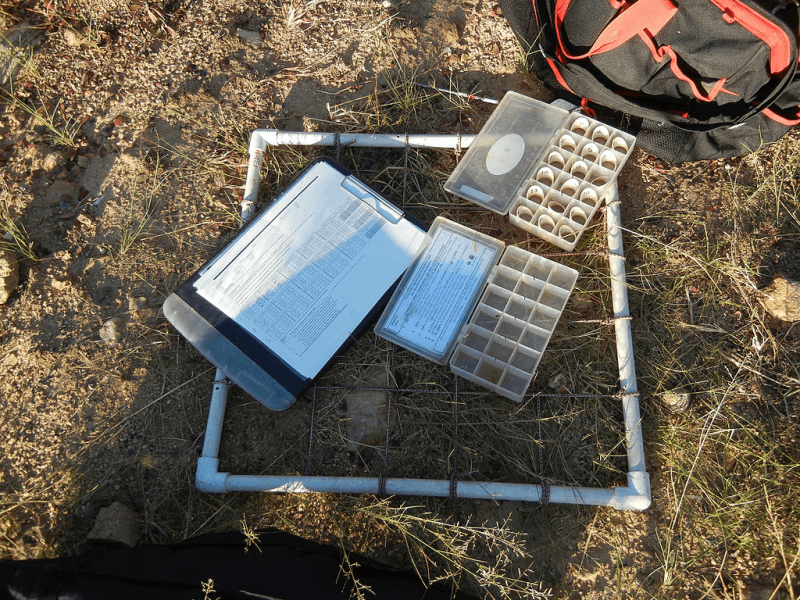
Soil testing equipment. Credit: SonoranDesertNPS via CC-BY-2.0

The use of modern seed genetics, which includes genetically modified crops, chemical and fertilizer use, greatly contributes to improved agricultural sustainability and climate change mitigation.

Follow the latest news and policy debates on sustainable agriculture, biomedicine, and other ‘disruptive’ innovations. Subscribe to our newsletter.

Those who advocate for a return to crop production that doesn’t rely on integrating any of the above technologies are advocating for agricultural production practices prior to 1960, where increases were entirely due to increased land used to produce crops. Increasing land use every year is not a sustainable way to produce crops.

One of the most valuable assets farmers transfer to the next generation is the health of the soil that is farmed. Innovations greatly contribute to improving soil health.

The efficient weed control resulting from GM crop production facilitates continuous zero-tillage crop production, which has significant soil benefits, with one study finding carbon storage increased from 0.3 tonnes per year to 6.4 tonnes per year.

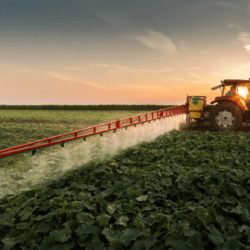
With the positive correlation between GM crops and reduced tillage, both technologies reduce agricultural impacts on the environment and often improve soil and water quality through reduced erosion. Reduced chemical applications have prevented millions of kilograms of chemical active ingredients from being applied to crops, further benefiting soil health.


This is an excerpt. Read the original post here

{{ reviewsTotal }}{{ options.labels.singularReviewCountLabel }}
{{ reviewsTotal }}{{ options.labels.pluralReviewCountLabel }}
{{ options.labels.newReviewButton }}
{{ userData.canReview.message }}

Related Articles

Infographic: Global regulatory and health research agencies on whether glyphosate causes cancer

Infographic: Global regulatory and health research agencies on whether glyphosate causes cancer

Does glyphosate—the world's most heavily-used herbicide—pose serious harm to humans? Is it carcinogenic? Those issues are of both legal and ...

Most Popular

Screenshot-2026-05-01-at-11.56.24-AM
‘Science moves forward when people are willing to think differently’: Memories of DNA maverick Craig Venter
Screenshot-2026-04-03-at-11.15.51-AM
Paraben panic: How a flawed study, media hype, and chemophobia convinced the public of the danger of one of the safest classes of preservatives
79d03212-2508-45d0-b427-8e9743ff6432
Viewpoint: The Casey Means hustle—Wellness woo opportunism dressed up as medical wisdom
Screenshot-PM-24
Viewpoint: The herbicide glyphosate isn’t perfect. Banning it would be far worse.
ChatGPT-Image-Mar-27-2026-11_27_05-AM
The myths of “process”: What science says about the “dangers’ of synthetic products and ultra-processed foods
ChatGPT-Image-Apr-30-2026-12_21_05-PM-2
The tech billionaires behind the immortality movement
ChatGPT-Image-Mar-10-2026-01_39_01-PM
Viewpoint—“Miracle molecule” debunked: Why acemannan supplements don’t work
Drinking lots of water can help reduce the effects of aging
Nanoplastics in drinking water: MAHA activists forge science-based bipartisan coalition 
ChatGPT-Image-May-1-2026-03_16_32-PM
Viewpoint: How ‘health care guru’ Joe Rogan circumvented the FDA’s skepticism on psychedelics
ChatGPT Image Apr 30, 2026, 01_11_41 PM
Trump’s America First health aid cuts: Retrenchment has already hit global malaria, HIV, TB, and polio programs
ChatGPT-Image-Mar-3-2026-01_17_14-PM
MAHA wellness influencers deride proven anxiety medications, tout lifestyle fixes
ChatGPT-Image-Apr-30-2026-05_00_48-PM
Wellness grifter physician turned wellness influencer out as surgeon general nominee
glp menu logo outlined

Get news on human & agricultural genetics and biotechnology delivered to your inbox.