Ticks and mosquitos are bringing Lyme disease, West Nile virus and other vectored illnesses to new places across the US

Ticks and mosquitos are bringing escalated threats of Lyme disease, West Nile virus and other vectored illnesses to new places across the US
Credit: Pixabay/ nuzree and makamuki0

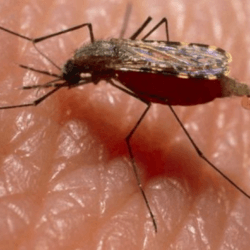
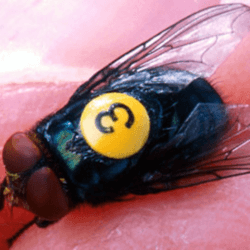
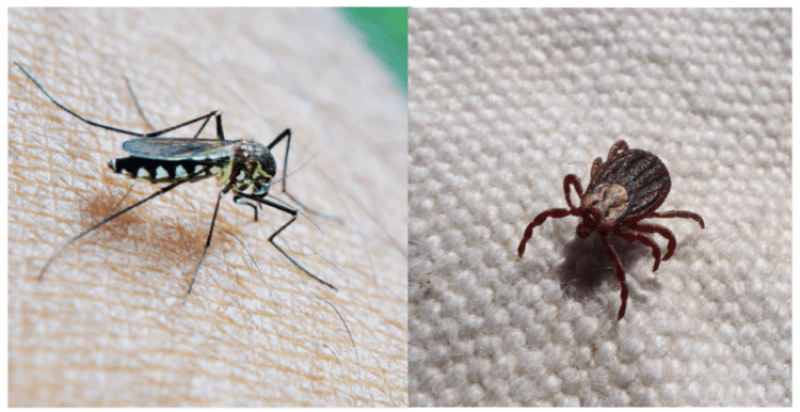
Lyme disease and West Nile virus are among the ailments that ticks and mosquitoes are spreading in more of the U.S. Reported infections after tick, flea andย mosquito bites have surged over the past two decades, according to data from the Centers for Disease Control and Prevention.

Changing land use and climateย have allowed ticks to expandย their habitat. Warming temperatures can encourage mosquito-borne outbreaks, and more global travel risks moving the bugs and their diseases to new areas. That can challenge doctors and communities unaccustomed to dealing with these diseases.

Follow the latest news and policy debates on sustainable agriculture, biomedicine, and other ‘disruptive’ innovations. Subscribe to our newsletter.

Lyme disease is the most common tick or mosquitoโ€“borne disease in the U.S. It is most prevalent in the Northeast and Midwest, where the blacklegged tick that carries Lyme-causing bacteria has expanded its range, leading to more infections.

West Nile virus and other mosquito-related infections spread cyclically but unpredictably, in part because of the mosquitoโ€™s short lifespan.

The virus first appeared in the U.S. in New York City in 1999 and reached most of the country within five years. It is now the leading cause of mosquito-borne illness in the continental U.S.

The razing and regrowth of forest in the Northeast has facilitated a boom in the deer population, which have brought blacklegged ticks back with them.


This is an excerpt. Read the full article here

{{ reviewsTotal }}{{ options.labels.singularReviewCountLabel }}
{{ reviewsTotal }}{{ options.labels.pluralReviewCountLabel }}
{{ options.labels.newReviewButton }}
{{ userData.canReview.message }}

Related Articles

Infographic: Global regulatory and health research agencies on whether glyphosate causes cancer

Infographic: Global regulatory and health research agencies on whether glyphosate causes cancer

Does glyphosateโ€”the world's most heavily-used herbicideโ€”pose serious harm to humans? Is it carcinogenic? Those issues are of both legal and ...

Most Popular

Screenshot-2026-05-01-at-1.29.41-PM
Viewpoint: What happens when whole grains meet modern food manufacturing? Labels donโ€™t tell the whole story.
Farmers can talk to plants
Farmers are a major source of misinformationโ€”about farming
ChatGPT-Image-Apr-13-2026-02_20_22-PM
Viewpoint: Misinformation infodemic? Why assessing evidence is so challengingย 
ChatGPT-Image-Mar-27-2026-11_47_30-AM-2
FDAโ€™s expedited drug reviews are hailed in some quarters but other approval practices are problematic
S
As vaccine rejectionism spreads, measles may be taking a more dangerous turn
Screenshot-2026-04-12-135256
Bixonimania: The fake disease scam that AI swallowed whole

Sorry. No data so far.

glp menu logo outlined

Get news on human & agricultural genetics and biotechnology delivered to your inbox.