Threat assessment that US could fall behind China in developing cell-based meat prompts some Republicans to reverse opposition

Credit: South Cina Morning News
A woman tastes lab-grown meat served by CellX at an event to mark the opening of the cultivated meat company's pilot production facility in Shanghai, China. REUTERS/Aly Song

What would it take for a Republican to support cultivated meat? Could it be China’s progress in the sector? That’s one way to interpret a letter sent by 11 Republican Congress members to the director of national intelligence and the USDA’s director of homeland security….

Mis- and disinformation are distorting science and public policy. Subscribe to our Daily and Weekly Digests for incisive coverage of ‘disruptive’ innovations in AI, agricultural biotechnology, food, chemicals, nuclear energy, vaccines, and other disruptive innovations.
[T]he letter was … in direct response to the national intelligence director’s annual threat assessment. That report labelled China’s strategic advancements in “synthetic biology and agricultural biotechnology” as an attempt to “lead the broader biotechnological landscape”.

“Countries around the world are recognising the need to pursue innovative farming techniques to complement their existing agricultural structures,” the letter reads. “The innovative protein sector’s rapid evolution and its potential to reshape global food markets underscore the urgency of responding to these developments.”
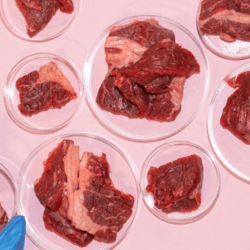
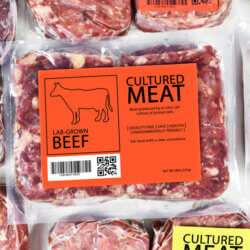
Pointing to precedents that show how rapidly global trade patterns shift, the lawmakers write: “Should China secure a dominant position in the global innovative protein market, it could fundamentally alter food supply dynamics worldwide and give China control of key aspects of global food security dynamics.


This is an excerpt. Read the original post here

Related Articles

Infographic: Global regulatory and health research agencies on whether glyphosate causes cancer

Infographic: Global regulatory and health research agencies on whether glyphosate causes cancer

Does glyphosate—the world's most heavily-used herbicide—pose serious harm to humans? Is it carcinogenic? Those issues are of both legal and ...

Most Popular

ChatGPT-Image-Mar-10-2026-01_39_01-PM
Viewpoint—“Miracle molecule” debunked: Why acemannan supplements don’t work
ChatGPT-Image-Sep-17-2026-12_28_43-PM
Vitamin D, omega-3 fish oil and glucosamine supplements could cause brain damage 
Screenshot-2026-08-19-at-6.19.42-PM
Facts & Fallacies podcast: 'Regenerative farming'? RFK Jr.’s federal push romanticizes the past and risks food security
Screenshot-2026-08-12-at-11.31.46-AM
AI is helping develop new vaccines
ChatGPT-Image-Aug-28-2026-03_33_46-PM
Viewpoint: Bad science—Five bogus Trump administration claims about vaccines and autism
Screenshot-2026-09-14-at-4.31.14-PM
Viewpoint: What’s the likely impact when the EPA loosens rules limiting methane pollution from oil and gas wells?
ChatGPT-Image-Sep-9-2026-02_48_24-PM
Viewpoint: Trump-RFK Jr. report on “Gender Ideology & Left-wing Ideology’ targets LGBTQ community—and science
Screenshot-2026-09-10-at-12.20.19-PM
'Jet fuel didn't melt the steel': 9/11 conspiracy theories debunked
Screenshot-2026-09-20-at-9.03.54-AM
From Malaysia to the world: A pioneering science communicator reimagines global science communication for a digital age
ChatGPT-Image-Sep-13-2026-10_46_11-AM
“Hit the brakes”: Anthropic warns the race to superintelligence could spawn internet-seizing AI swarms—and empower authoritarians. Here’s how to stop it.
Screenshot-2026-09-15-at-11.04.54-AM
Viewpoint: Childhood deaths in dispute: Why the CDC vs Pennsylvania conflict over measles vaccines matters
glp menu logo outlined

Get news on human & agricultural genetics and biotechnology delivered to your inbox.