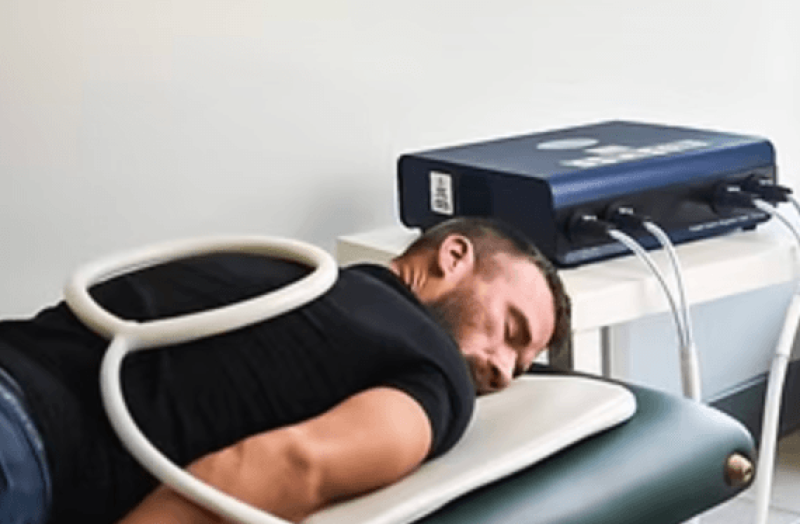
… [A]longside valuable services such as physiotherapy, dietitian support and exercise programs, increasingly trendy interventions pop up: IV vitamin infusions, cryotherapy, hyperbaric oxygen chambers, full-body MRI scans and pulsed electromagnetic field therapy.
The rise of “biohacking” – optimizing physical or cognitive performance through lifestyle changes, supplements, devices, testing and experimental therapies – reflects a growing desire for control over health and aging. Some recommendations overlap with established medical advice. Others drift far beyond the evidence.
…
The language of biohacking often blurs the line between evidence-based prevention and commercially driven optimization. Expensive supplements, hormone therapies, advanced longevity testing and experimental treatments are increasingly marketed directly to consumers with promises of improved energy, enhanced performance and longer life spans, often with limited evidence to support them.

Patients are left trying to navigate a confusing landscape where legitimate preventative care exists alongside exaggerated claims and high-tech quick fixes.
Some of these interventions are likely harmless. Others are not. Unregulated supplement regimens can cause harm through drug interactions or toxicity. Unnecessary testing – including extensive blood panels and full-body MRI scans in otherwise healthy individuals – can also lead to anxiety, unnecessary procedures and overdiagnosis without improving health outcomes.