Animal geneticist Alison Van Eenennaam: Agriculture supporters need to stand up to GMO fearmongering

x x

Alison Van Eenennaam, an animal geneticist at the University of California-Davis, told the Idaho Milk Processors Association annual conference there has to be a concerted effort by agriculture to stand up against the myths behind the opposition to such advances as genetically engineered crops or “we’ll have no technology left.”

“[GMO use] in food tends to be where the fireworks come in,” she said.

Squareheadshot
Alison Van Eenennaam

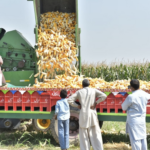
Those fireworks resulted in marketers turning away from rBST, a safe technology to increase milk production in cows, to gain a market advantage in claiming their products were rBST-free… The big controversy now is GMO crops, grown by 18 million farmers globally. With 16.5 million of those in developing countries, 90 percent of GMO crops are grown by small-scale farmers in developing countries, where there’s been a tremendous reduction in pesticide use, she said.

By far, the largest consumer of those crops are livestock, which have consumed that feed for more than 20 years. There’s been about 300 carefully controlled studies on the performance of those animal populations, showing no significance differences or deleterious trends in productivity.

“Apparently no one wants to read them,” she said.

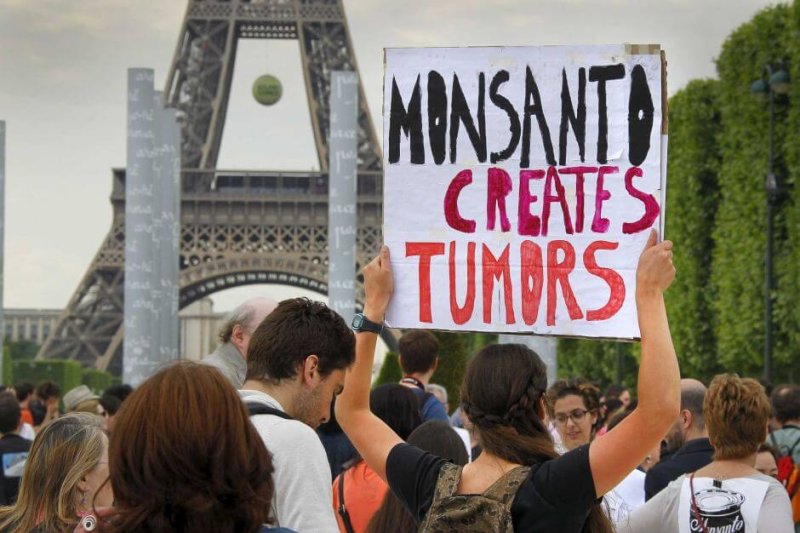
Anti-GMO sympathizers would prefer to latch onto sensational, unreliable, politicized studies to confirm a predetermined bias, she said.

The GLP aggregated and excerpted this article to reflect the diversity of news, opinion and analysis. Read full, original post: Caving in to unfounded opinions threatens tech advances, expert says


{{ reviewsTotal }}{{ options.labels.singularReviewCountLabel }}
{{ reviewsTotal }}{{ options.labels.pluralReviewCountLabel }}
{{ options.labels.newReviewButton }}
{{ userData.canReview.message }}

Related Articles

Infographic: Global regulatory and health research agencies on whether glyphosate causes cancer

Infographic: Global regulatory and health research agencies on whether glyphosate causes cancer

Does glyphosate—the world's most heavily-used herbicide—pose serious harm to humans? Is it carcinogenic? Those issues are of both legal and ...

Most Popular

ChatGPT-Image-Jun-11-2026-01_15_03-PM
Selective Pressure, Selective Silence
ChatGPT Image Jun 3, 2026, 03_14_43 PM
Viewpoint: How Earthjustice became the poster child for the abuse of special interest activist funding
ChatGPT Image Jun 3, 2026, 03_54_37 PM
Viewpoint: “Turn on, tune in, drop out”—Kennedy embraces the Timothy Leary psychedelic revolution
ChatGPT-Image-Mar-10-2026-01_39_01-PM
Viewpoint—“Miracle molecule” debunked: Why acemannan supplements don’t work
Screenshot-2026-06-05-at-2.12.30-PM
Some plants can poison you. So how did humans figure out what is safe to eat?
drug look like ozempic
Six key health insights from taking weight-loss drugs
Screenshot 2026-05-26 at 10.15
Viewpoint: Double standard—Why does the wellness industry get a free pass while Big Healthcare is treated as morally suspect?
ChatGPT-Image-Jun-13-2026-11_51_39-AM
Viewpoint: COVID lab leak? Misguided backers of the lab leak theory refused to give up
ChatGPT-Image-May-26-2026-07_51_21-AM-2
Viewpoint: There are more than 1,000 chemicals in a cup of coffee—including many substances that can cause cancer. Why isn’t it banned?
Screenshot 2025-07-30 at 10.48
Can gene editing eliminate Down syndrome? Scientists have done it in lab-grown cells
Screenshot-2026-06-14-at-9.53.54-AM
Is the World Cup a perfect storm for the spread of infectious diseases?
glp menu logo outlined

Get news on human & agricultural genetics and biotechnology delivered to your inbox.