Tester beware: Deleting your genetic data is ‘essentially impossible’

ancestry dna kit x
Image credit: Ancestry DNA
[Bloomberg journalist] Kristen V. Brown sent her spit to at least three different companies over the years. She went around to them asking them to get rid of what they had on her.

Ancestry.com allowed her to delete her data online, but a week after she called to ask the company to destroy her DNA sample, it was still intact.

23andMe told her initially that the tools needed to delete her data and sample were “not currently available.” Later, the company told her it couldn’t legally delete her genetic info due to government regulations.

Only one company, Exploragen, told the Bloomberg reporter it would completely delete her genetic information.

Because, here’s the thing: in your excitement to figure out if you’re part Native American after all, you might not have realized that you have very little control over where your genetic information goes after it reaches the company you initially sent it to.

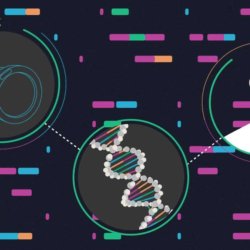
A thorough read of the terms of service and privacy policies will reveal that most testing companies have permission to share your DNA data with third parties, such as law enforcement or scientific researchers.
…

Because your DNA data doesn’t stay between you and the testing company, tracking down and deleting every trace of it is essentially impossible.

Read full, original post: Think Deleting Your Facebook Profile Is Hard? Try Deleting Your Genomic Data.

Related Articles

Infographic: Global regulatory and health research agencies on whether glyphosate causes cancer

Infographic: Global regulatory and health research agencies on whether glyphosate causes cancer

Does glyphosate—the world's most heavily-used herbicide—pose serious harm to humans? Is it carcinogenic? Those issues are of both legal and ...

Most Popular

ChatGPT-Image-Mar-10-2026-01_39_01-PM
Viewpoint—“Miracle molecule” debunked: Why acemannan supplements don’t work
ChatGPT-Image-Sep-10-2026-10_36_07-AM
Viewpoint: Even lousy scientific articles can shield authors when they hype dubious health claims and products
sorghum farmers in kenya FARMERS TREND
Here are all the ways CRISPR gene editing is transforming Africa’s staple crops—and there’s a lot more innovation to come
Screenshot-2026-10-01-at-11.21.27-AM
Vaccine hesitancy, like malaria, surges globally, topping 35% in some countries
ChatGPT-Image-Sep-30-2026-01_11_07-PM
How U.S. teamed with Russia to block global human AI weapons oversight
ChatGPT-Image-Sep-30-2026-01_25_34-PM
Blood tests for Alzheimer’s? The latest grifter, social media scam.
ChatGPT-Image-Sep-21-2026-03_15_09-PM
Viewpoint: Chipotle-inspired lesson: 10,000 sick customers suggest that processed foods can be safer than fresh ones
ChatGPT-Image-Sep-30-2026-01_38_36-PM
Viewpoint: Died “with measles” vs. died “from measles”: RFK, Jr.’s dangerously subversive word games
Screenshot-2026-09-28-at-1.16.38-PM
Defying public perceptions, U.S. cancer deaths plunged 35% since 1991
ChatGPT-Image-Sep-29-2026-12_16_42-PM
Social media influencers are driving food misinformation across Europe
glp menu logo outlined

Get news on human & agricultural genetics and biotechnology delivered to your inbox.