Gene-editing pioneer Jennifer Doudna calls for greater accountability on anniversary of China scientist CRISPR gene editing human embryo

china gene babies
Image: STR/AFP

There are key moments in the history of every disruptive technology that can make or break its public perception and acceptance. For CRISPR-based genome editing, such a moment occurred 1 year ago.

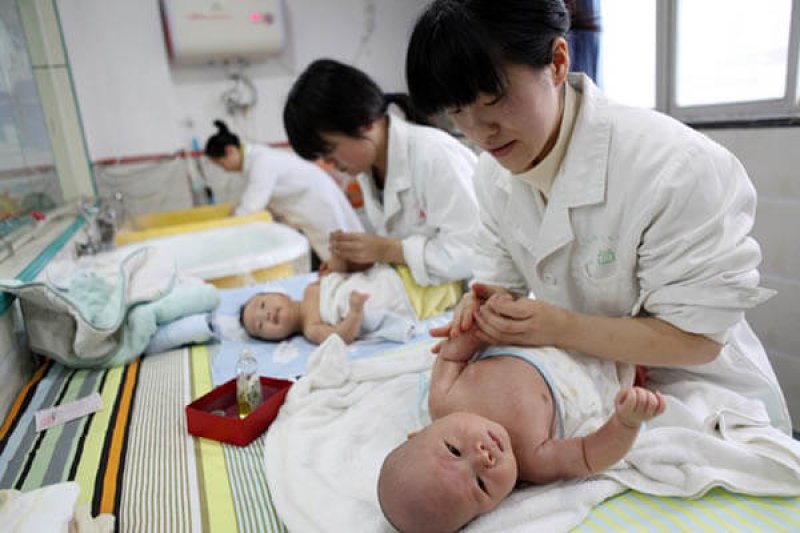
In November 2018, at the Second International Summit on Human Genome Editing in Hong Kong, scientist He Jiankui announced that he had broken the basic medical mantra of “do no harm” by using CRISPR-Cas9 to edit the genomes of two human embryos in the hope of protecting the twin girls from HIV. His risky and medically unnecessary work stunned the world and defied prior calls by my colleagues and me, and by the U.S. National Academies of Sciences and of Medicine, for an effective moratorium on human germline editing. It was a shocking reminder of the scientific and ethical challenges raised by this powerful technology.

The “CRISPR babies” saga should motivate active discussion and debate about human germline editing. With a new such study under consideration in Russia, appropriate regulation is urgently needed. Consequences for defying established restrictions should include, at a minimum, loss of funding and publication privileges. Ensuring responsible use of genome editing will enable CRISPR technology to improve the well-being of millions of people and fulfill its revolutionary potential.

Read full, original post: CRISPR’s unwanted anniversary

Related Articles

Infographic: Global regulatory and health research agencies on whether glyphosate causes cancer

Infographic: Global regulatory and health research agencies on whether glyphosate causes cancer

Does glyphosate—the world's most heavily-used herbicide—pose serious harm to humans? Is it carcinogenic? Those issues are of both legal and ...

Most Popular

ChatGPT-Image-Mar-10-2026-01_39_01-PM
Viewpoint—“Miracle molecule” debunked: Why acemannan supplements don’t work
Screenshot-2026-09-10-at-11.50.46-AM
Did COVID vaccines kill 2,500 service members? RFK Jr. hires an investigator who compares vaccine promoters to Nazi doctors
ChatGPT-Image-Sep-13-2026-10_24_17-AM
Bayer urges court to approve $7.25 billion Monsanto Roundup settlement that could limit its future liabilities
ChatGPT-Image-Sep-15-2026-06_05_13-PM
CRISPR fine-tuning unlocks vitamin C-rich potatoes without yield loss
Screenshot-2026-09-10-at-12.20.19-PM
'Jet fuel didn't melt the steel': 9/11 conspiracy theories debunked
ChatGPT-Image-Sep-15-2026-05_59_18-PM
RFK Jr. spent two years distancing himself from Children’s Health Defense. Now he’s keynoting its anti-vaccine DC conference.
Screenshot-2026-09-11-at-2.26.23-PM
Newly approved GMO chestnut trees planted across from the White House are stirring debate
ChatGPT-Image-Aug-28-2026-03_33_46-PM
Viewpoint: Bad science—Five bogus Trump administration claims about vaccines and autism
Screenshot 2026-09-10 at 11.28
A meaty problem: How to make cell-grown protein taste like steak, chicken, and seafood
Screenshot-2026-09-15-at-11.04.54-AM
Viewpoint: Childhood deaths in dispute: Why the CDC vs Pennsylvania conflict over measles vaccines matters
ChatGPT-Image-Sep-2-2026-10_30_14-PM
Zero: That is the official American measles death toll for 2026. Here is what RFK Jr.’s CDC leaves out.
Screenshot-2026-09-14-at-10.52.30-AM
AI is being used in dangerous bioscience experiments
glp menu logo outlined

Get news on human & agricultural genetics and biotechnology delivered to your inbox.