Viewpoint: Tracking the quality of what we eat — ‘Diet is the single leading predictor for chronic disease risk in the modern world’

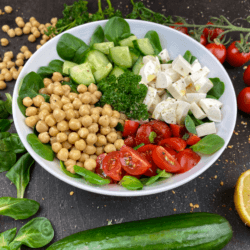
Credit: Pxhere
Credit: Pxhere

Diet quality, measured objectively, is the single leading predictor variable for all-cause mortality and total chronic disease risk in the modern world. As goes diet quality, so goes the probability of more or less years in life, more or less life in years. So go the prevalence and predation of obesity*, diabetes, heart disease, COVID, many cancers, stroke, dementia, disabling arthritis, and more. Diet quality is by no means the only thing that matters, of course, but it is the single thing at the population level that matters most.

A rather deplorable, generally unmeasured diet quality hides, and festers, in plain sight. That sad fact is revisited each time the “typical American Diet” is referenced with derision, lamentation, or exasperation. Famously, we don’t tend to manage what we fail to measure. Our failure to quantify the liabilities of diet in each of us is not the only reason we allow the problem and its dire consequences to persist, but it is salient among them.

Mis- and disinformation are distorting science and public policy. Subscribe to our Daily and Weekly Digests for incisive coverage of ‘disruptive’ innovations in AI, agricultural biotechnology, food, chemicals, nuclear energy, vaccines, and other disruptive innovations.

We have heard from on high and from within the House of Medicine that diet quality should be measured routinely, i.e., treated as a vital sign. Historical methods of assessment don’t allow for this, costing too much in time, effort, attrition, accuracy, and yes, money. But innovation in this area has come at last, and now- we might append “could” to “should.”

This is an excerpt. Read the original post here

Related Articles

Infographic: Global regulatory and health research agencies on whether glyphosate causes cancer

Infographic: Global regulatory and health research agencies on whether glyphosate causes cancer

Does glyphosate—the world's most heavily-used herbicide—pose serious harm to humans? Is it carcinogenic? Those issues are of both legal and ...

Most Popular

ChatGPT-Image-Sep-2-2026-02_03_32-PM
AI data centers and water usage: It’s a genuine and growing problem
ChatGPT-Image-Mar-10-2026-01_39_01-PM
Viewpoint—“Miracle molecule” debunked: Why acemannan supplements don’t work
ChatGPT-Image-Sep-10-2026-01_44_53-PM
Viewpoint: Why medical and health nonsense spreads so casually on pop culture media
Screenshot-2026-09-16-at-3.14.20-PM
19%: Plunging support for Trump-RFK, Jr. measles vaccine safety oversight
ChatGPT-Image-Sep-17-2026-12_28_43-PM
Vitamin D, omega-3 fish oil and glucosamine supplements could cause brain damage 
Screenshot-2026-09-16-at-2.26.42-PM
Viewpoint: How to ecologically damage America’s forests: Ban glyphosate
ChatGPT-Image-Sep-16-2026-11_28_54-AM
Viewpoint: Study links childhood vaccination to autism!!! Here’s how anti-vaxxers twist evidence to corrupt science
ChatGPT-Image-Sep-21-2026-10_55_04-AM
Viewpoint: America’s food-safety system is being methodically dismantled by the Trump administration.
ChatGPT-Image-Sep-17-2026-11_03_54-AM-2
AI sparks a bioweapons race
ChatGPT-Image-Sep-21-2026-10_18_59-AM-2
Viewpoint: Is corporate embrace of regenerative agriculture greenwashing?
ChatGPT-Image-Sep-21-2026-02_35_25-PM
22-year frozen embryo: In one of the longest delayed births ever, middle-aged Greek couple gives birth to a daughter
glp menu logo outlined

Get news on human & agricultural genetics and biotechnology delivered to your inbox.