
Mutant mosquito that transmits malaria year round and is resistant to local insecticides identified in Kenya

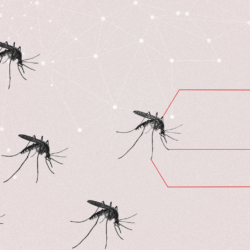
Credit: Nick Youngson via Pix4free and CC-BY-SA-3.0

Researchers from Kenya’s Medical Research Institute have detected a new species of mosquito in the East African nation that has shown resistance to locally used insecticides and the potential to transmit malaria throughout the year, unlike traditional malaria-causing mosquitoes.

The mosquito species — named Anopheles stephensi — was previously only known to spread malaria in South Asia and parts of the Arabian Peninsula, according to the World Health Organization.

Mis- and disinformation are distorting science and public policy. Subscribe to our Daily and Weekly Digests for incisive coverage of ‘disruptive’ innovations in AI, agricultural biotechnology, food, chemicals, nuclear energy, vaccines, and other disruptive innovations.

This, however, is the first time the mosquito has been detected in Kenya and its arrival is raising concern among researchers who say malaria transmission may continue all year round, rather than being seasonal due to its ability to “spread very fast to new areas” regardless of climatic and environmental conditions.

“The new mosquito poses a serious threat and could reverse the gains made in the fight against malaria,” Kenya’s Medical Research Institute said in a statement sent to ABC News. “Malaria in Kenya, and Africa at large is known to occur in rural areas. Rainfall, temperature and availability of unpolluted mosquito breeding habitats in rural areas favour the breeding of malaria mosquitoes.”


Related Articles

Infographic: Global regulatory and health research agencies on whether glyphosate causes cancer

Infographic: Global regulatory and health research agencies on whether glyphosate causes cancer

Does glyphosate—the world's most heavily-used herbicide—pose serious harm to humans? Is it carcinogenic? Those issues are of both legal and ...

Most Popular

ChatGPT-Image-Mar-10-2026-01_39_01-PM
Viewpoint—“Miracle molecule” debunked: Why acemannan supplements don’t work
Screenshot-2026-09-20-at-9.03.54-AM
From Malaysia to the world: A pioneering science communicator reimagines global science communication for a digital age
ChatGPT-Image-Sep-17-2026-12_28_43-PM
Vitamin D, omega-3 fish oil and glucosamine supplements could cause brain damage 
Screenshot-2026-08-19-at-6.19.42-PM
Facts & Fallacies podcast: 'Regenerative farming'? RFK Jr.’s federal push romanticizes the past and risks food security
Screenshot-2026-08-12-at-11.31.46-AM
AI is helping develop new vaccines
ChatGPT-Image-Aug-28-2026-03_33_46-PM
Viewpoint: Bad science—Five bogus Trump administration claims about vaccines and autism
Screenshot-2026-09-14-at-4.31.14-PM
Viewpoint: What’s the likely impact when the EPA loosens rules limiting methane pollution from oil and gas wells?
ChatGPT-Image-Sep-9-2026-02_48_24-PM
Viewpoint: Trump-RFK Jr. report on “Gender Ideology & Left-wing Ideology’ targets LGBTQ community—and science
Screenshot-2026-09-20-at-4.31.28-PM
White House drafting executive order to control what OMB Director Vought claims are “woke” NIH science grants
ChatGPT-Image-Sep-20-2026-04_22_32-PM
What’s Trump’s ‘AI Force’? Administration rushes to announce ill-defined watchdog and czar amid criticism of its resistance to curb AI acceleration
Screenshot-2026-09-10-at-12.20.19-PM
'Jet fuel didn't melt the steel': 9/11 conspiracy theories debunked
glp menu logo outlined

Get news on human & agricultural genetics and biotechnology delivered to your inbox.