Reckoning for European Green Deal ‘Farm to Fork’ strategy: EU lawmakers side with farmers and consumers, bury plan to cut chemical pesticide use by 50%

green deal

In a stunning upset, the European Parliament voted down the “Sustainable Use of Pesticides” bill, which marked the cornerstone of the European Green Deal and the so-called “Farm to Fork” strategy. In 2020, the European Union planned a fundamental reform of the bloc’s agricultural sector, slashing pesticide use [by 50% by 2030], cutting fertilizer use, and boosting organic agriculture.

Mis- and disinformation are distorting science and public policy. Subscribe to our Daily and Weekly Digests for incisive coverage of ‘disruptive’ innovations in AI, agricultural biotechnology, food, chemicals, nuclear energy, vaccines, and other disruptive innovations.

However, it quickly became apparent that the plans were going to be very expensive, according to the USDA, with agricultural production dropping between seven and twelve percent, and a significant impact on the overall GDP of the continent.

It turned out that cutting European farm land, all while depriving farmers of the right to adequately prevent pests from spreading, did not fare well with voters. … The EU’s ambitious plans, aimed at significantly reducing pesticide and fertilizer use while promoting organic agriculture, initially seemed like a bold step towards a more sustainable future. However, the practical implications of these proposals, particularly the potential negative impacts on agricultural production and GDP, led to a swift and decisive backlash.
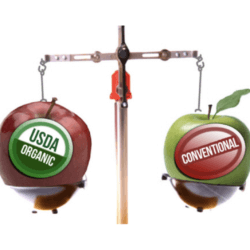
For the United States, which also faces the challenge of balancing environmental conservation with agricultural productivity, the EU’s experience serves as a reminder that well-intentioned policies must be carefully crafted and thoroughly evaluated to avoid unintended consequences.


This is an excerpt. Read the original post here

Related Articles

Infographic: Global regulatory and health research agencies on whether glyphosate causes cancer

Infographic: Global regulatory and health research agencies on whether glyphosate causes cancer

Does glyphosate—the world's most heavily-used herbicide—pose serious harm to humans? Is it carcinogenic? Those issues are of both legal and ...

Most Popular

ChatGPT-Image-Sep-2-2026-02_03_32-PM
AI data centers and water usage: It’s a genuine and growing problem
ChatGPT-Image-Mar-10-2026-01_39_01-PM
Viewpoint—“Miracle molecule” debunked: Why acemannan supplements don’t work
Screenshot-2026-09-16-at-3.14.20-PM
19%: Plunging support for Trump-RFK, Jr. measles vaccine safety oversight
ChatGPT-Image-Sep-10-2026-01_44_53-PM
Viewpoint: Why medical and health nonsense spreads so casually on pop culture media
ChatGPT-Image-Sep-17-2026-12_28_43-PM
Vitamin D, omega-3 fish oil and glucosamine supplements could cause brain damage 
Screenshot-2026-09-16-at-2.26.42-PM
Viewpoint: How to ecologically damage America’s forests: Ban glyphosate
ChatGPT-Image-Sep-16-2026-11_28_54-AM
Viewpoint: Study links childhood vaccination to autism!!! Here’s how anti-vaxxers twist evidence to corrupt science
ChatGPT-Image-Sep-21-2026-10_55_04-AM
Viewpoint: America’s food-safety system is being methodically dismantled by the Trump administration.
ChatGPT-Image-Sep-21-2026-10_18_59-AM-2
Viewpoint: Is corporate embrace of regenerative agriculture greenwashing?
ChatGPT-Image-Sep-17-2026-11_03_54-AM-2
AI sparks a bioweapons race
ChatGPT-Image-Sep-21-2026-02_35_25-PM
22-year frozen embryo: In one of the longest delayed births ever, middle-aged Greek couple gives birth to a daughter
glp menu logo outlined

Get news on human & agricultural genetics and biotechnology delivered to your inbox.