Genetic engineering to fight malaria: Oxitec-bred non-biting mosquitoes altered to carry a gene that kills deadly females before maturity released in Djibouti

Gene drive to fight malaria: Oxitec-bred non-biting mosquitoes altered to carry a gene that kills deadly females before maturity released in Djibouti
Credit: Unsplash/ Cameron Webb

Tens of thousands of genetically modified (GMO) mosquitoes have been released in Djibouti in an effort to stop the spread of an invasive species that transmits malaria.

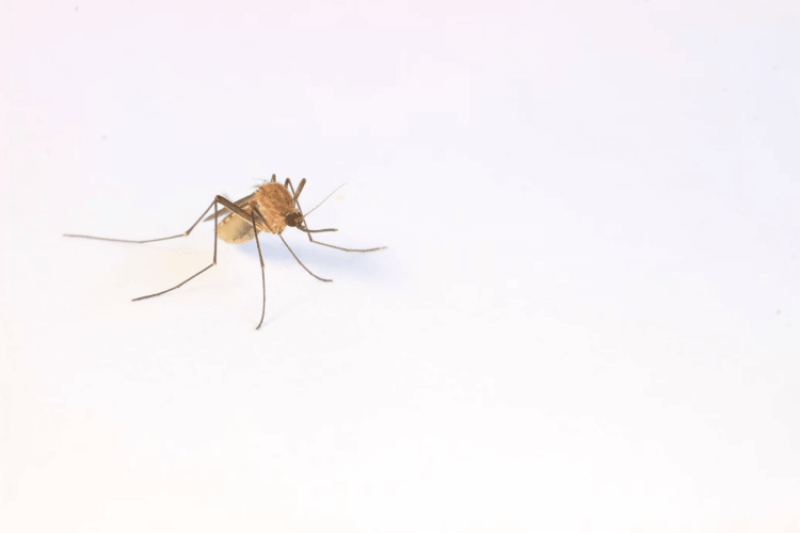
The friendly non-biting male Anopheles stephensi mosquitoes, developed by Oxitec, a UK-based biotechnology company, carry a gene that kills female offspring before they reach maturity.

Only female mosquitoes bite and transmit malaria and other viral diseases.

It is the first time such mosquitoes have been released in East Africa and the second time in the continent.

Mis- and disinformation are distorting science and public policy. Subscribe to our Daily and Weekly Digests for incisive coverage of ‘disruptive’ innovations in AI, agricultural biotechnology, food, chemicals, nuclear energy, vaccines, and other disruptive innovations.

The release is part of the Djibouti Friendly Mosquito Program which was started two years ago to stop the spread of Anopheles stephensi, an invasive species of mosquito first detected in the country in 2012.

The country was then on the verge of eliminating malaria, when it recorded close to 30 malaria cases. Since then, malaria cases have risen exponentially in the country to 73,000 by 2020.
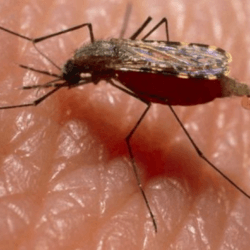
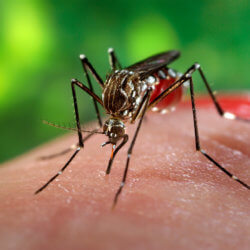
The species is now present in six other African countries – Ethiopia, Somalia, Kenya, Sudan, Nigeria and Ghana.

…

If successful, larger field trials and eventual operational deployment of the mosquitoes will continue until next year in the country.


This is an excerpt. Read the full article here

Related Articles

Infographic: Global regulatory and health research agencies on whether glyphosate causes cancer

Infographic: Global regulatory and health research agencies on whether glyphosate causes cancer

Does glyphosate—the world's most heavily-used herbicide—pose serious harm to humans? Is it carcinogenic? Those issues are of both legal and ...

Most Popular

ChatGPT-Image-Mar-10-2026-01_39_01-PM
Viewpoint—“Miracle molecule” debunked: Why acemannan supplements don’t work
Screenshot-2026-09-17-at-1.07.08-PM
'We are dangerously addicted to antidepressants': Should we heed RFK Jr.’s sobering warning?
Screenshot-2026-09-03-at-10.51.20-AM
Viewpoint: Why do online health lies outlive the evidence that debunks them? Read "Everyone Else Is Lying to You"
ChatGPT-Image-Sep-23-2026-01_52_03-PM
Viewpoint: 4 very real AI doomsday scenarios
ChatGPT-Image-Sep-2-2026-02_03_32-PM
How much of a problem is AI’s water use?
Screenshot-2026-09-23-at-11.55.01-AM
How can we know if social media bans actually help teens?
ChatGPT-Image-Aug-26-2026-12_46_16-PM
Viewpoint: The fake controversy over whether combining childhood vaccines is dangerous— a debate science resolved 25 years ago
Screenshot-2026-09-23-at-3.15.09-PM
Anti-GMO activists in Pakistan rev up their campaign of dire warnings
Screenshot-2026-09-22-at-11.40.28-AM
After Idaho criminalized abortion providers in 2022, one-third of obstetricians fled. Health care advocates are making rural health the case for repealing the ban
ChatGPT-Image-Sep-22-2026-10_32_46-AM
There has been a slew of recent reports of food recalls and foodborne outbreaks. Do we face an escalating problem?
Screenshot-2026-09-17-at-12.00.30-PM
Investigative group ProPublica finds links between ectopic pregnancy deaths and abortion bans
Screenshot-2026-09-10-at-12.20.19-PM
'Jet fuel didn't melt the steel': 9/11 conspiracy theories debunked
glp menu logo outlined

Get news on human & agricultural genetics and biotechnology delivered to your inbox.