30% more flavorful tomato: Gene editing improves one of the world’s most valuable crops

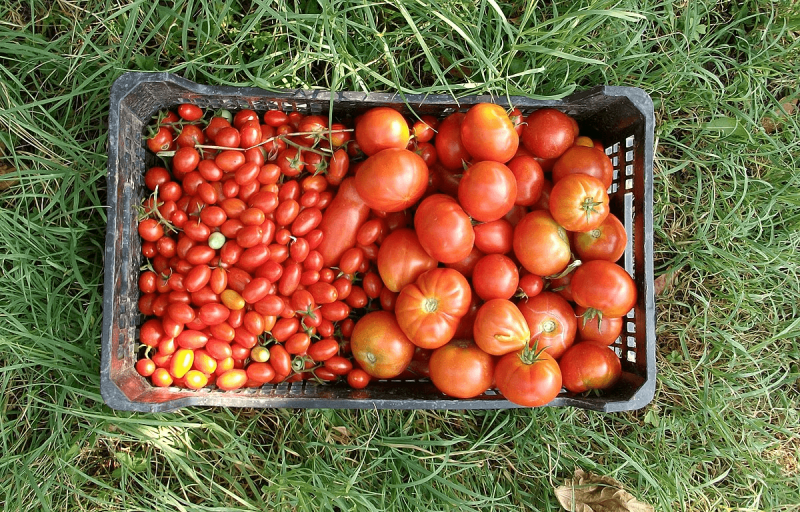
Credit: CosyCobra via CC-BY-SA-4.0

Rotten tomatoes no more:ย growing sweeter tomatoesย is possible by editing just two of the fruitโ€™s genes. Deleting the genes increased the engineered fruitsโ€™ glucose and fructose levels by up to 30% over mass-produced tomatoes, according to a studyย published today inย Nature.

This study is โ€œgreat and significant in its field and beyondโ€, says Christophe Rothan, a fruit biologist at the French National Institute of Agricultural Research in Paris, who was not involved in the study. It raises the โ€œpossibility of using the great genetic diversity existing in wild species, which has been partially lost in domesticated varieties, to improve modern varietiesโ€, he says.

Follow the latest news and policy debates on sustainable agriculture, biomedicine, and other ‘disruptive’ innovations. Subscribe to our newsletter.

The new tomato would be welcome not only because it would make consumers happy, but also because it could cut the amount of time, energy, and money that goes into preparing other products such as tomato paste, which involves removing water from the fruit, says Ann Powell, a retired plant biochemist who previously worked at the University of California, Davis.


This is an excerpt. Read the original post here

{{ reviewsTotal }}{{ options.labels.singularReviewCountLabel }}
{{ reviewsTotal }}{{ options.labels.pluralReviewCountLabel }}
{{ options.labels.newReviewButton }}
{{ userData.canReview.message }}

Related Articles

Infographic: Global regulatory and health research agencies on whether glyphosate causes cancer

Infographic: Global regulatory and health research agencies on whether glyphosate causes cancer

Does glyphosateโ€”the world's most heavily-used herbicideโ€”pose serious harm to humans? Is it carcinogenic? Those issues are of both legal and ...

Most Popular

ChatGPT Image Jun 3, 2026, 03_54_37 PM
Viewpoint: โ€œTurn on, tune in, drop outโ€โ€”Kennedy embraces the Timothy Leary psychedelic revolution
ChatGPT-Image-Jun-11-2026-01_15_03-PM
Selective Pressure, Selective Silence
Screenshot-2026-06-05-at-2.12.30-PM
Some plants can poison you. So how did humans figure out what is safe to eat?
ChatGPT Image Jun 3, 2026, 03_14_43 PM
Viewpoint: How Earthjustice became the poster child for the abuse of special interest activist funding
Screenshot-2026-06-03-at-1.24.46-PM
Challenging anti-GMO disinformation: Why genetically-tweaked crops offer bushels of benefits
ChatGPT Image Jun 1, 2026, 11_39_17 AM
Viewpoint: When food myths go viral, farmers pay the price
ChatGPT Image May 26, 2026, 08_42_17 AM (1)
Viewpoint: Greenpeace and poison: How environmental advocacy groups rely on compliant (and often ignorant) journalists to spread disinformation and spark litigation
ChatGPT Image May 28, 2026, 08_16_38 PM
Viewpoint: Why the EPA mismeasures cancer risk of chemicals and what should be done to fix it
Screenshot-2026-06-11-at-4.00.17-PM
Gen Z burned by sunscreen misinformation and tanning myths

Sorry. No data so far.

glp menu logo outlined

Get news on human & agricultural genetics and biotechnology delivered to your inbox.