Viewpoint: When food myths go viral, farmers pay the price

ChatGPT Image Jun 1, 2026, 11_39_17 AM

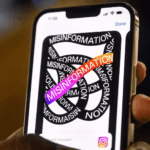
The media capitalises on “emotional content” and, when “clicks” are profit, the more outrageous the title, the bigger the margin.

A common one I see on my feed is “pesticides are making all of your food toxic”.

I saw a short video on TikTok that called for consumers to “wake up” to the lies being spread by the government and that the “farmers are poisoning us”.

More worryingly, this specific post had 680,000 views, 35,000 likes and more than 6,500 shares.

For somebody uneducated in the topic, this would be worrying. Being told your food is poisoned would be scary if you had no reason to question it.

Follow the latest news and policy debates on sustainable agriculture, biomedicine, and other ‘disruptive’ innovations. Subscribe to our newsletter.

Farmers face criticism online as a result of people’s misconceptions of the industry that have been fuelled by these false claims.

Inciting fear and confusion can only cause detriment to people’s faith in their food, and harm to their farmers.

If our society wants safe and sustainable food production, we must prioritise evidence over viral claims, and support honest conversations about farming practices and attitudes.


This is an excerpt. Read the original post here

{{ reviewsTotal }}{{ options.labels.singularReviewCountLabel }}
{{ reviewsTotal }}{{ options.labels.pluralReviewCountLabel }}
{{ options.labels.newReviewButton }}
{{ userData.canReview.message }}

Related Articles

Infographic: Global regulatory and health research agencies on whether glyphosate causes cancer

Infographic: Global regulatory and health research agencies on whether glyphosate causes cancer

Does glyphosate—the world's most heavily-used herbicide—pose serious harm to humans? Is it carcinogenic? Those issues are of both legal and ...

Most Popular

ChatGPT-Image-May-26-2026-07_51_21-AM-2
Viewpoint: There are more than 1,000 chemicals in a cup of coffee—including many substances that can cause cancer. Why isn’t it banned?
Screenshot-2026-04-30-at-11.33.46-AM
Anti-seed-oil to anti-vax pipeline: MAHA movement spreads to teen influencers
ChatGPT-Image-May-28-2026-02_12_17-PM
Can ‘Social Stress Indicators’ help contain social media misfluencers?
Screenshot-2026-05-29-at-1.23.52-PM
Viewpoint: Scientists recently revised downward the likelihood of catastrophic global warming. Reassured? You shouldn't be.
the magic of mRNA
Viewpoint: Anti-vax fake ‘turbo cancer’ claims threaten cancer treatment breakthroughs
Screenshot 2025-07-30 at 10.48
Can gene editing eliminate Down syndrome? Scientists have done it in lab-grown cells
ChatGPT Image May 28, 2026, 08_16_38 PM
Viewpoint: Why the EPA mismeasures cancer risk of chemicals and what should be done to fix it
ChatGPT-Image-May-22-2026-10_56_42-AM-2
‘It’s not super useful’: As wariness about AI grows, Trump proposes rollback of healthcare safeguards
Screenshot 2026-05-29 at 2.47
Psychological inoculation: With a vaccine to prevent HIV on the horizon, misinformation is soaring. What can be done.
Screenshot-2026-04-14-at-11.11.06-AM
‘Turbo cancer’ or mRNA cancer cure? Strategies to counter misinformation
downsyndrome_compilation_MID_1
CRISPR breakthrough that can remove the chromosome responsible for Down syndrome raises ethical questions
ChatGPT-Image-Mar-10-2026-01_39_01-PM
Viewpoint—“Miracle molecule” debunked: Why acemannan supplements don’t work
Screenshot-2026-05-27-at-10.51.25-AM
Viewpoint: ‘Monsanto’ blues—Planned Netflix movie promises yet another round of anti-glyphosate disinformation
glp menu logo outlined

Get news on human & agricultural genetics and biotechnology delivered to your inbox.