For decades, “Made in Europe” has been synonymous with a hard-line stance against anything remotely resembling genetic modification. But the tide’s turning, and it’s turning fast!
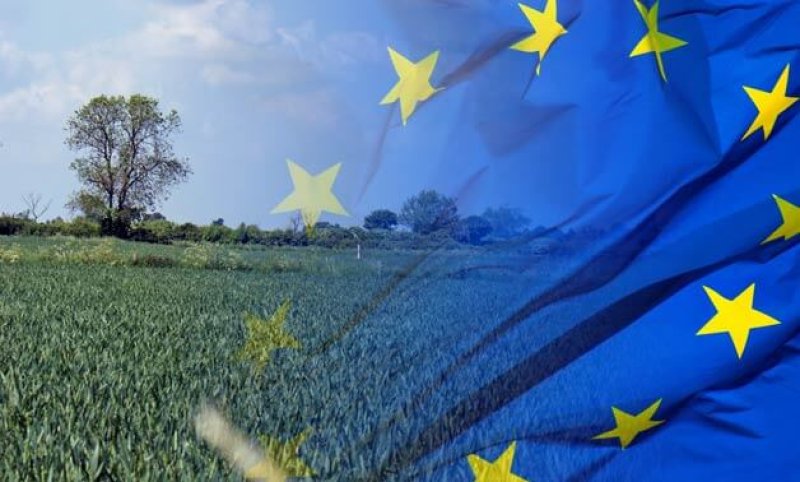
I’m pleased to finally see this shift because, frankly, the old rules were a relic of the past. They didn’t just hinder innovation; they held back our ability to build a truly resilient food system. The regulation was formally adopted on June 17, 2026, and will enter into force 20 days after publication in the EU Official Journal, becoming fully applicable approximately mid-2028. But here’s the problem… [Many] think “Gene-Editing” is still a dirty word in Brussels, held back by onerous Novel Foods and GMO legislations.
Let me tell you, that’s a dangerous assumption.
Something doesn’t quite add up if you’re still planning your 2030 supply chain based on 1990s regulations. The new NGT (New Genomic Techniques) rules are about to disrupt everything you know about sourcing, labelling, and sustainability. Just think about this for a minute; what happens when your competitors start sourcing climate-resilient, nutrient-dense wheat that doesn’t carry a “GMO” label, while you’re still stuck in the old-world supply chain?