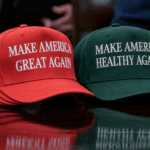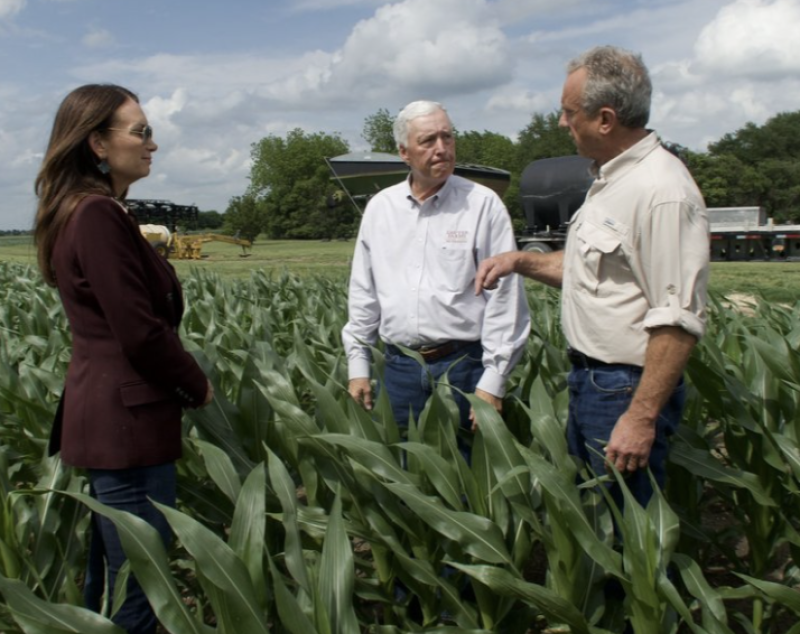

The Make America Healthy Again movement and American farmers have been awkward allies from the start, and the relationship may be fraying as MAHA’s factions pull in different directions, as AGDAILY reports.
Tensions peaked with the first MAHA Report in May 2025, which flagged environmental chemicals, including widely used farm pesticides, as potential contributors to chronic disease in children. Farm groups called it fear-based misinformation. Just four months later, a second report pulled way back on atrazine and glyphosate, pivoting instead toward nutrition, lifestyle and ultra-processed food.
Val Dolcini, head of North American public affairs for Syngenta, credits farmers who came to Washington to show officials how they actually use crop-protection tools. “I think that Secretary Kennedy decided maybe he was a little hasty rushing out with that initial May report,” Dolcini said.
Not everyone in the MAHA base followed along. When President Trump issued a February executive order framing glyphosate-based herbicides as a cornerstone of food and national security, many supporters cried betrayal. Courtney Swan, founder of nutrition advocacy platform Realfoodology, said she hated the order but understood it: “If we got rid of glyphosate tomorrow, we would be screwed, and we would have a national food security crisis on our hands.”
Her worry has backing. Published research on glyphosate-tolerant corn and soybeans shows the trait has boosted farm productivity through higher yields and lower costs.
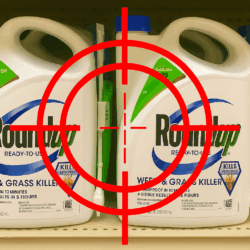

Then in June, the U.S. Supreme Court sided with Bayer against a Missouri man who claimed Roundup caused his cancer, a ruling Dolcini sees as exposing a political split within the movement.
Still, he expects MAHA’s ideas to outlast both Trump and Kennedy. “I think that it’s not just a moment, it really is a movement that will outlive the Trump administration and probably outlive Secretary Kennedy’s tenure at HHS,” he said.