


Chemical Controversies
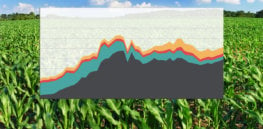
Pesticides and Food: It’s not a black or white issue — Has pesticide use decreased since the introduction of GMO crops?
What is the truth about crop pesticides and their residues in food in 2018? ...

Facing billions more in potential settlements, Bayer holds to its legal strategy
Bayer is sticking to its legal strategy of trying individual Roundup cases in court, even as a series of recent ...

GLP podcast/video: Elon killed Twitter? EWG’s latest pesticide scare; RFK, Jr. vs ‘Big Pharma’
Has Twitter (X) devolved into a misinformation cesspool? Once scientist says yes. The Environmental Working Group (EWG) claims schools near ...
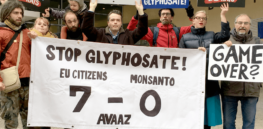
Viewpoint: Activists shift tactics on glyphosate, attacking independent European science-oversight agencies that have unanimously found the herbicide safe
Glyphosate ate the world! Every single day another serious disease, from all types of cancer to Parkinson’s, is attributed to ...
Viewpoint: Here’s how zealous environmental groups dupe politicians about the ‘widespread dangers’ of many safe and effective pesticides
Pesticides used in agriculture have long been the subject of controversy and misinformation – and the attention of regulators. Since ...

Oil-based chemicals are used in everything from pillows to house paint. What are possible substitutes?
Petrochemicals are in everything from cleaning agents, paints and cosmetics to pillows, acrylic worktops and much of our clothing and ...
What’s next for Bayer after losing $1.56 billion Roundup glyphosate case?
Bayer AG suffered its biggest drop ever, losing about €7.6 billion ($8.3 billion) in market value, after major legal and ...

Viewpoint: Scientifically illiterate claim that aspartame causes cancer illustrates again the escalating politicization of science
If you have been in science media for any period of time, you have seen a predictable pattern; epidemiologists look ...
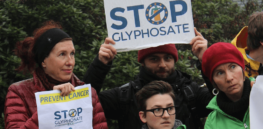
Glyphosate reauthorized for 10 years by divided EU
[November 16] the European Standing Committee on Plants, Animals, Food and Feed (PAFF committee) was again unable to get a ...

Headlines claim that almost half of all drinking water contains high-levels of ‘dangerous’ PFAS ‘forever chemicals’. What does the science say?
The headline “New Study Finds PFAS 'Forever Chemicals' in Drinking Water from 45% of Faucets Across US” led many news ...
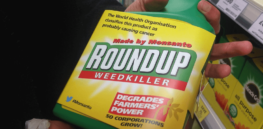
Viewpoint: Anti-glyphosate rabbit hole — Will the ethically-compromised International Agency for Cancer (IARC) lead Europe to embrace a scientifically-challenged Green Deal?
What chemicals or environmental exposures are likely to cause cancer? That’s a complex question with a wide variance in views ...

Viewpoint: Dark money and tort-lawyer-funded Environmental Working Group (EWG) launches new campaign to scare public about ‘dangerous’ pesticide spraying near schools
On Nov. 2, the EWG (the same folks behind The Dirty Dozen) launched an interactive map created to demonstrate just how ...

Viewpoint: ‘Anti-technology activists unfairly malign genetically modified mustard crop that could drop pesticide use by 40%’
The polarised debate over genetically modified (GM) crops in India is back in the limelight. The advocates and dissenters of ...
GLP podcast/video: BBC corrects botched organic farming report; Happy 41st birthday, GMO insulin! Scientific American a ‘scientific sewer’?
Facing intense criticism from experts, the BBC was pushed to correct a deeply misleading story about the benefits of organic ...
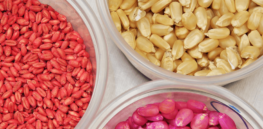
Viewpoint: Agriculture lobby offers evidence of neonicotinoid safety and critical role of pesticides
For the past decade or so, the area of seed treatment has grown in popularity, among ag retailers and their ...

Farmers and seed producers welcome science-based reform to EU gene editing rules
At a Euractiv media event to mark the launch of the Breakthrough Institute/Alliance for Science’s new report on ‘new genomic techniques,’ ...
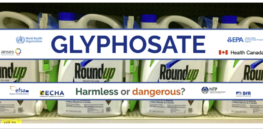
Anti-chemical activists up in arms as European Union leans toward reauthorizing use of weedkiller glyphosate. Here’s the science EU should consider
Does the controversial weedkiller Roundup, made by Bayer and marketed in generic form by more than 30 companies as glyphosate, ...

Glyphosate on trial: After three straight wins by people claiming weedkiller caused their cancers, large investor urges company to reconsider settlements
A California jury on October 30 found Bayer liable in a case brought by a man who claimed his cancer was ...

Meet the Annihilator: Could this technology rid the environment of PFAS ‘forever chemicals’?
PFAS stands for “per- and polyfluoroalkyl substances,” human-made and incredibly durable chemical compounds that have been used for decades ...
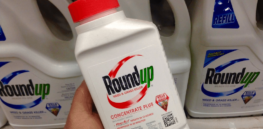
Glyphosate legal update: After winning 9 straight cases in defense of Roundup, Bayer ordered to pay $175 million to former weed sprayer who contracted cancer
A Philadelphia Common Pleas Court jury on [October 27] delivered a $175 million verdict against the maker of Roundup weed ...
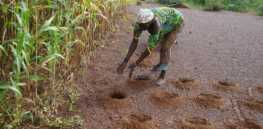
Viewpoint: 200 million Africans are chronically malnourished and 5 million die of hunger each year. The continent can’t rely on agroecology alone
A report by the Alliance for a Green Revolution in Africa (AGRA) indicates that despite a decade of pro-growth and ...
GLP podcast/video: Chemophobia brings left and right together; Scientists should fight disinfo on X; Sudafed scandal explained
Why do so many people on the political left and right, who agree on almost nothing, share a deep-seated fear ...

How effective and safe are current-generation pesticides?
it is important to balance risks with the benefits that pesticides provide ...
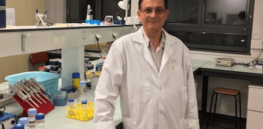
‘Win for science’ as French court dismisses defamation lawsuit by anti-GMO scientist Seralini
In a major victory for science, a French court on 17 October dismissed a defamation lawsuit by the notorious French ...
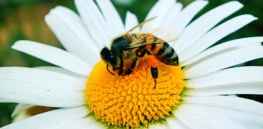
EU-banned neonicotinoid sulfoxaflor does not harm bumblebees, concludes field-realistic independent British university study
A pesticide banned for outdoor use by the EU could be less harmful to bees than had been thought. This ...

Viewpoint: How did glyphosate became the target of advocacy groups and tort lawyers — considering no global science organization concludes traces in our food pose cancer risks?
No, Roundup glyphosate sprayed in his garden did not cause Mark McCostlin's non-Hodgkin's lymphoma (a rare form of cancer), a ...
Are neonicotinoid seed treatments critical for protecting crops—or unnecessary, with potential to harm bees?
Neonicotinoids, the world’s most popular class of insecticides, have been making headlines for the last decade due to concerns that ...
