


Chemical Controversies

Potential glyphosate ban: Calculating economic consequences if Europe’s most widely used pesticide is banned
Glyphosate is the most widely used pesticide in Europe. However, due to its potential effects on human health, its renewal ...

Pesticides and Food: It’s not a black or white issue — Part 5: Soil health ― When synthetic pesticides are more sustainable than ‘natural’ organics
Most consumers believe organic farming avoids pesticides and prioritizes the health of the environment more than conventional farming. However, this ...
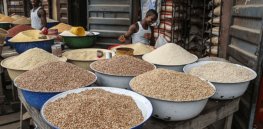
Climate-smart genetically-engineered seeds may be Nigeria’s only viable way to confront farming disruptions brought on by climate change
Climate change has been a major menace in agricultural production especially for Nigeria that is fighting hard to produce enough ...
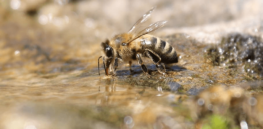
Yes, more honeybees die now than 40 years ago — but reasons why are not as clear-cut as politicians and activists claim
“Save the bees,” you will hear, at ice cream shops and farmers markets. A study touting the latest death rates ...
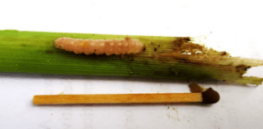
Kenya loses 60% of corn crop to stem borer pests annually. Insect-resistant Bt GMO corn could raise yields and cut pesticide use
Bacillus Thuringiensis (BT) is a species of bacteria that produces proteins that are toxic to certain insects. Because of this, ...

GLP podcast and video: PFAS bans could do more harm than good; Risks and benefits of ‘magic mushrooms’; ‘Ultra-processed’ foods are nutritious
There are growing calls to ban PFAS chemicals to protect public health. The problem is, these substances are used in ...

Viewpoint: Why much of what you’ve read about the health dangers of ultra-processed foods is wrong
The selling point of books like Ultra-Processed People is the idea that everything you know is wrong. Chris Van Tulleken, ...

Viewpoint: Pesticides in strawberries? Environmental Working Group scares people about safe produce but ignores chemicals applied by their organic mega donors
Environmental Working Group, the Extinction Rebellion of affordable produce, is always in a war on strawberries - unless they only ...

Viewpoint: Deception and dirty politics are behind targeting of PFAS
With allied epidemiologists placed inside the US Environmental Protection Agency, and scientists pushed to the side, environmentalists feel like they ...

Viewpoint: Propaganda ring blurs science and feeds ‘toxic tort’ industry targeting Roundup and aspartame
The World Health Organization’s International Agency for Research on Cancer (IARC) cherry picks evidence, declares something is likely, probably, or ...
GLP podcast and video: Dunning-Kruger debunked? The evil industry, noble activist myth; The real Vandana Shiva
The less informed someone is about a topic, the more likely they are to overestimate their knowledge of it. This ...
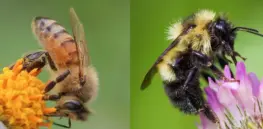
Protecting honeybees and wild bees from neonicotinoid pesticides? As environmentalists and politicians lobby for bans, science takes a backseat
There has been a recent surge in the number and intensity of campaigns by environmental groups lobbying to ban many ...
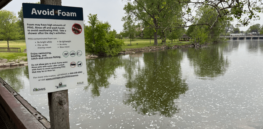
Viewpoint: Why proposed PFAS chemical bans might do more harm than good
News broke last month that 3M has agreed to pay out $10.3 billion in settlement payments in response to lawsuits ...
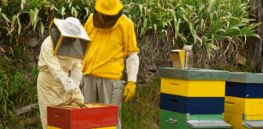
Why do lab studies suggest neonicotinoid pesticides can harm bees, while field research suggests they have minimal environmental impact?
Pollinators play a crucial role in the production of food crops. While many crops are open pollinated, meaning they don’t ...
Viewpoint: Sustainable, natural, chemical, toxic — Words used by activists to label agriculture can distort science and turn the public against sensible farming
Reality is perceived by the definitions we give; the black and white lines we draw upon a grey canvas. So, ...
Viewpoint: OMG, humans might suffer convulsions from consuming parts-per-trillion of glyphosate? Here’s how wild headlines advance the ideological agenda of science-rejecting advocacy groups
Scrolling through the news has become a game of “What Great Horror Did Glyphosate Wreak This Week?” And the latest ...

Glyphosate will be re-authorized for 15 years as safe by the European Commission, according to leaked documents
The European Commission is readying a proposal for the controversial herbicide glyphosate to receive a full stamp of approval from ...

Balancing economics and sustainability: What would a future without glyphosate weedkiller look like?
Ongoing public debate about glyphosate has led some to question what the impacts would be if it were no longer ...

6 fake news websites stoking fear about crops grown from genetically-engineered seeds
"Fake news" may be new to most people, but not to followers of the anti-GMO debate. Here are some of ...
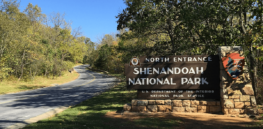
Viewpoint: Should there be a ban on glyphosate and other pesticides in US parks? Here’s why environmentalists and the Park Service say that would be a disaster
When last I wrote about my battle of the brush, I was losing, badly, to the invasive vines and noxious weeds ...
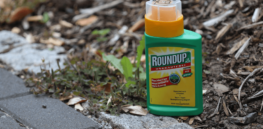
Safety of herbicide glyphosate reaffirmed by European Food Safety Authority, rejecting activist claims
The European Food Safety Agency (EFSA) said on [July 6] it had not identified "critical areas of concern" to prevent ...

GLP podcast and video: 10 myths about modern farming, debunked; New malaria and polio vaccines could save thousands of lives
Many harmful myths about farming persist on social media. Let's explore some of the most common falsehoods about agriculture you're ...
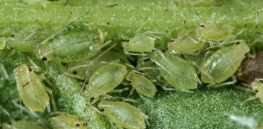
Viewpoint: After neonicotinoid insecticide ban, sugar beet farming in Europe likely to remain crippled for years
Research into alternatives to neonicotinoid pesticides, found to be toxic to bees, is unlikely to deliver a solution capable of ...
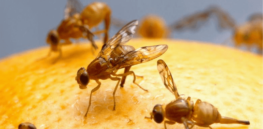
How CRISPR can protect berry crops from disease-carrying fruit flies — without pesticides
As winters get warmer and springtime comes earlier, farmers in states such as Maine and Minnesota are having more trouble ...
GLP podcast and video: Aspartame doesn’t cause cancer; Alcohol is good…and bad for you? An expert checklist for spotting health scares
Does the sweetener aspartame, found in all sorts of foods and drinks, cause cancer? Controversy over the chemical's safety has ...

Viewpoint: Using selective chemistry — Burdensome EU regulations prevent introduction of lower-impact agricultural pest control products
The EU has outlined its ambition to slash in half the use and risk of chemical pesticides in its flagship ...
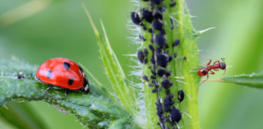
The enemy of my enemy is my friend: How plants recruit predators to control pests
Plants may seem defenseless against insects, having neither hands nor tail to brush them away. But many produce potent repellent chemicals, ...
