



Chemical Controversies

Video: Dramatic visual evidence of the insect-resistant power of Bt maize, without chemical treatment
In clearing out my office recently I came across a DVD of the video Life in a standard and in ...
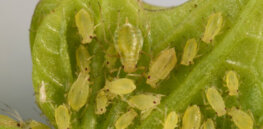
England authorizes emergency neonicotinoid use to protect threatened 2022 sugarbeet crops
Defra has [January 14] approved an emergency temporary authorisation for the use of a neonicotinoid pesticide treatment on the 2022 sugar ...

Viewpoint: Bayer Roundup cancer case nearing SCOTUS poses test for Biden Administration. Will it stick to science and prior EPA rulings or cave to trial lawyer interests?
[T]he Supreme Court recently asked for the Biden Department of Justice to weigh in on a case involving a golden ...
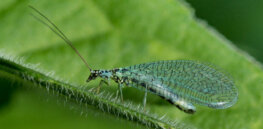
Insecticides based on RNA technology could poised to be a low impact way to control plant pests
A novel insecticide targets a specific gene in a pest, killing only that bug species on crops and avoiding collateral ...

Viewpoint: Glyphosate class action cases — Will the Supreme Court rein in California’s lax rules on junk science?
One tactic California trial lawyers finessed is the use of questionable scientific evidence in trials, sometimes called “junk science.” Now, ...

Viewpoint: Dissecting the misguided demonization of glyphosate, one of the world’s most effective and safest weedkillers
Social media's coverage of glyphosate has been on a par with that for the Covid vaccine – misunderstandings, mistruths and ...

Viewpoint: What drives agricultural sustainability? Not what many ‘environmental organizations’ promote
Anyone who has flown over the Canadian prairies in any of the previous summers will notice the tremendous number of ...

Viewpoint: In Roundup-cancer cases, juries are often swayed by emotional arguments — but the facts are in glyphosate’s favor
A jury in San Bernardino can't believe that Donnetta Stephens’ cancer was caused because she used Roundup. In a post-COVID-19 ...

Viewpoint: No more Christmas trees? Why proposed bans on neonicotinoids won’t protect bees but will threaten many other plants
With Christmas so close, many of us in Michigan have enjoyed a common holiday tradition this year: finding the perfect ...

Viewpoint: If Kenya relents to activist pressure and bans pesticides, coffee, maize and wheat farmers could lose up to 90% of crops
Coffee, maize and wheat farmers could suffer up to 90 per cent in yield losses if the government bans popular ...
Viewpoint: Climate change-fighting agricultural tools are delivering enormous benefits — but anti-biotechnology activists continue to vilify them
Following the recent COP26 séance in Glasgow, climate change issues remain prominent for governments and the public. Agricultural practices have ...

Viewpoint: Will the US endorse this Congressional proposal to adopt Europe’s innovation-stifling ‘precautionary principle’ regulation?
A new bill supported by environmental organizations and co-sponsored by progressive lawmakers Sens. Elizabeth Warren (D-MA), Bernie Sanders (I-VT), and ...

Viewpoint: Scientific American article claiming pesticides harm beetles and earthworms is ‘more hype than substance’
I picked up a Scientific American that came last August and thumbed my way to page 12, where alarm bells ...

GLP Podcast: Chemical risks doubled in five years? Vaccines from plants; Henrietta Lacks’ stolen cells
A recent meta-analysis has alleged that the health risks linked to chemical exposure have doubled in the last five years ...

Viewpoint: Gilles-Éric Séralini, Vandana Shiva, Robert F. Kennedy, Jr. — Anti-GMO characters join together in book diatribe misrepresenting the science about glyphosate and Monsanto
The recent court victories against the former Monsanto involving glyphosate constitute a major cause célèbre for anti-GMO activists. Now, another ...
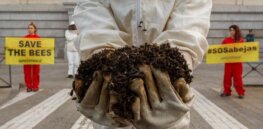
Viewpoint: Challenging the damaging myth that agrochemicals are the biggest threat to bees
Regardless of the plant breeding method, products used to improve modern farming that could potentially harm bees could be used ...

GMO crops have reduced pesticide poisoning among farmers, report finds
Many countries have enjoyed improved economies and healthier populations by farming genetically modified (GM) crops, according to a report from ...
GLP Podcast: At-home dementia test raises concerns; mRNA flu vaccines? Chemical-free pesticides
A new at-home dementia test may help predict your risk of cognitive impairment late in life, though some experts fear ...

Supreme Court set to consider addressing lower court ruling that found Bayer’s Roundup herbicide caused applicator’s cancer
Bayer AG’s effort to get the U.S. Supreme Court to review a key trial loss in the nationwide Roundup litigation ...

Glyphosate does not kill bumble bees and is unlikely to cause health problems, latest comprehensive study finds
Glyphosate is the most commonly used herbicide in the world, and is widely used in agriculture. While glyphosate has been ...
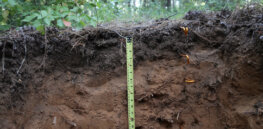
GMO crops and glyphosate use can offer carbon sequestration benefits, Canadian study suggests
University of Saskatchewan research has concluded that genetically modified canola and the use of glyphosate have increased carbon sequestration in ...

Thankful for science: How pesticides made your Thanksgiving meal possible
This year, you're going to pay 24 percent more for a turkey, a tough bite out of the wallet for ...

‘Monsatan’ resurrected: Washington Post bungles review of misguided (and erroneous) new book
What better time than the Halloween season to indulge anxieties about mortality and its discontents and give running room to ...

Glyphosate herbicide helps reduce carbon emissions in agriculture, academic study finds
In the early 1990s, tillage was the leading form of weed control, with minimum/zero-tillage management practices incapable of long-term continuation ...
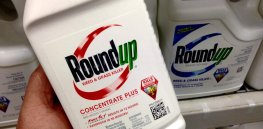
California court upholds $86.2 million settlement against Bayer for alleged damages caused by Monsanto’s Roundup weedkiller
The state Supreme Court rejected a challenge by Monsanto Co. on [November 17] to $86.2 million in damages to a ...

Seed Speaks Video: Getting beyond the myth that synthetic pesticides do more harm than good
With questions about sustainability and safety from consumers, and efficacy and longevity from farmers, pesticides have many questions that need ...

Replacing chemical pesticides? Sprays made from RNA may be the next generation of plant pest control
The downsides of existing fungicides and pesticides are well-known: Residue from the sprays can build up in the environment and ...
