


Sustainability & Climate Change
Hybrid corn boosts grain yields 89%, nitrogen use efficiency 73% over 70 years
During the past 70 years, hybrid corn varieties have increased both yield and nitrogen use efficiency at nearly the same ...

Podcast: Save our forests with GMO trees? Let’s look at the costs and benefits first
We have genetically engineered food; how about trees? In [June 8's] Academic Minute, North Carolina State University's Jason Delborne looks ...
Monsanto’s GMO soybean ‘safe as conventional counterpart,’ EU expert panel confirms
Following the submission of [an] application .... from Monsanto (hereafter referred to as ‘the applicant’), the Panel on Genetically Modified ...
Explaining the debate over GMOs—and what is or isn’t ‘natural’— through the genetics of chickens
Chickens (and their eggs) provide a surprisingly down-to-earth illustration of the profound implications of the modern genetic revolution ...

Promoting lab-grown meat as ‘high-tech’ innovation could fuel consumer fear of alternative protein
In the near future, we will be able to mass-produce meat directly from animal cells. This cultured meat could change ...
While managed honeybees get all the attention, some native pollinators ‘dwindle toward extinction’
Those honeybees you’ve been fretting over are getting native bumblebees sick. A new study shows that viruses infecting domestic honeybees ...
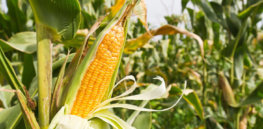
Pakistan marks another GMO crop milestone
Pakistani farmers and scientists are recognizing the need for genetically modified (GM) crops to help the country transition from subsistence ...

Twist upon twist in glyphosate battle: Next generation safer biopesticides on the way thanks in part to anti-chemical activists—who may yet oppose them
Will growers be forced to turn to less effective, more harmful solutions? ...

Alternative meat producers struggle to secure supply of yellow peas as demand for plant-based burger skyrockets
The soaring popularity of plant-based meat substitutes has shone a spotlight on a new star ingredient: the humble pea. From ...
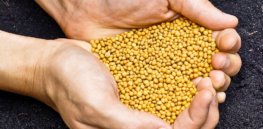
‘Smart’ fertilizers help feed booming global population while cutting pollution, slowing climate change
To feed the world’s growing population, farmers need to increase crop yields. Applying more fertilizer could help. But standard versions ...

African cassava mosaic virus poses serious threat to food security. Is CRISPR gene editing the answer?
.... African cassava mosaic virus (ACMV) has been linked to famine and indirectly to the deaths of thousands of people ...

Podcast: Could domesticated bacteria help break our dependence on fossil fuels?
Microbes surround us and enhance our lives in almost innumerable ways. These helpful micro-machines catalyze key reactions required to produce ...

Treating nutrient-stripped soil with charcoal made from plants could boost US crop yields 6%
Farmers in the US can expect to see an increase in crop yield of between 4.7 and 6.4%, on average, ...

Want a more sustainable food system? Convince young westerners to eat insects
The rapidly changing climate and an expanding global population are serious risks for worldwide food security. Edible insects have a ...

Viewpoint: GMOs pose ‘systemic threat to humanity’? Debunking Nassim Taleb’s apocalyptic assault on crop biotech
Nassim Taleb is a statistician and financial risk analyst. As interesting as his observations about the uncertain risk of large ...

Farmer’s open letter to skeptical consumers: We know science, glyphosate and GMOs are safe, and we need both to fight climate change
Despite repeated assurances from the mainstream science community that our food supply is safe, many consumers remain highly skeptical of ...

New insight into how plants breathe could lead to more water-efficient crops
Scientists have discovered how plants create networks of air channels -- the lungs of the leaf -- to transport carbon ...

Book review: ‘The Lives of Bees’ offers 14 tips to help keep honeybees healthy and pollinating our crops
What were the lives of wild honey bees like before humans began intensively managing them and moving them all over ...
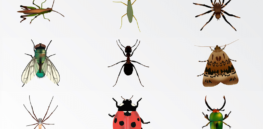
3 things we should do to preserve insect biodiversity
Insects make up the bulk of terrestrial diversity. Reports of insect declines, best documented in Europe and North America, suggest ...

‘Innovative’ GMO Impossible burger could help support US soybean growers, says USDA chief Sonny Perdue
Sonny Perdue may be a champion of agriculture and agribusinesses in all its forms. But even he isn’t immune to ...
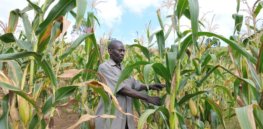
Uganda set to embrace artificial intelligence and other emerging technologies, but biotechnology languishes
'Something fundamentally detrimental to the progress of scientific and technological innovations in the agriculture of our nation is happening.' ...

Argentina approves fifth GMO cotton variety in effort to boost crop yields, spare natural resources
Argentina's Minister of AgroIndustry Luis Miguel Etechevehere and Christian Monty, Head of Global Cotton from BASF have announced the release ...

German farmer’s group calls for updated EU GMO crop rules to combat climate change
German farmers want access to new breeding technologies to protect against climate change. This would require a change in the ...

Saving bees ‘to death’? Our efforts to grow the honeybee population by using artificial hives may harm other pollinators
Everyone wants to save the bees. But as populations decline every year, we may be saving them to death. Human ...
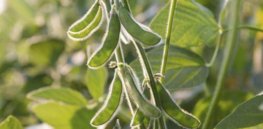
The first gene-edited soybean opens door to a slew of new CRISPR foods
The number of crop gene-editing projects underway around the world is astonishing ...

New CRISPR-based platform detects plant pests, identifies useful traits for crop breeding
SHERLOCK technology is a new CRISPR-based platform that is rapid and portable and enables detection and quantitation of plant genes ...
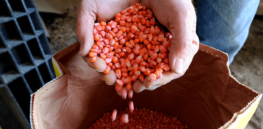
If US banned neonicotinoid insecticides, pesticide use could increase, posing threat to humans and pollinators, study suggests
New research from Gian Carlo Moschini at the Center for Agricultural and Rural Development at Iowa State University and Ed ...
