


Sustainability & Climate Change

Podcast: CRISPR immunizes pigs against PRRS—deadly viral disease that costs $600 million annually
Christine Burkard, assistant professor of infection and immunity at the Roslin Institute in Scotland, says her team has devised a ...

‘RoboDUCK’: Weed-killing robot could cut chemical use in rice farming
An engineer working for Japanese carmaker Nissan has built a robot to help farmers reduce the use of herbicides and ...

Impossible Foods vs. Beyond Meat: Arms race to control booming plant-based burger market is on
Beyond Meat and Impossible Foods are served in almost 20,000 restaurants across the country, and the list of restaurant chains ...

Podcast: As more US farmers retire, here’s how to recruit a new generation of growers to feed us
Is farming for the aging? While Paul McCartney ponders, “Will you still need me, will you still feed me, when ...
‘Third way’ agriculture: How technology, good judgement can save our food supply from climate change
Imagine waking up in a world that has become so hot and so crowded that most of what you eat ...
Newly identified rice gene could help develop drought-tolerant biotech crop varieties
Drought is one of the abiotic factors that affect the yield of crops. Studies have shown that basic leucine zipper ...

Naturally occurring phosphorous in soil could cut synthetic fertilizer pollution, major threat to sustainable farming
Cornell University engineers have taken a step in understanding how iron in the soil may unlock naturally occurring phosphorus bound ...

US college cafeterias, restaurants could be first to serve controversial GMO AquAdvantage salmon
Inside an Indiana aquafarming complex, thousands of salmon eggs genetically modified to grow faster than normal are hatching into tiny ...
Attacking single gene in deadly parasite could protect honeybees from untreatable infection
Agricultural Research Service (ARS) scientists have taken the first step towards a weapon against the major honey bee parasite Nosema ...

Podcast: More fearful of crop losses than jail, Indian farmers grow illegal GMO Bt eggplant
While Indian farmers have benefited tremendously from growing insect-resistant GMO cotton, the government has outlawed the cultivation of genetically engineered ...

People in Africa eat GMO foods. So why do they oppose new crops developed by their own scientists?
GM foods are already sold in supermarkets throughout Africa, but the fear remains ...

Light manipulation could cut indoor farming energy use 30-50% without hindering crop growth
There is substantial interest in growing crops in closed controlled environments, yet the energy requirements are high. Energy is required ...

‘Google maps’ for gene sequencing helps small labs cheaply, quickly develop disease-resistant crops
Australian researchers have developed a tool described as “Google Maps for genes” potentially throwing open the field of genetic manipulation, ...

Post-Brexit Britain ponders break from EU GMO, gene-editing restrictions, embracing US model
With so much focus and attention on Brexit, there’s another ‘B’ word that has been fretted over for decades, causing ...

Blight-tolerant American chestnut tree: Latest biotech solution to nature’s assault on valued species
A blight-tolerant American chestnut tree is the latest example of what the science community has begun to call a GRO—a ...
Bt eggplant, Bangladesh’s first GMO crop, controls ‘vicious’ fruit and shoot borer pest, boosts farmer profit sixfold
Eggplant, or brinjal (Solanum melongena), is a popularly consumed vegetable grown throughout Asia that is prone to vicious and sustained ...

Bees with access to diverse flowering plants are healthier pollinators, USDA study shows
Everyone wants healthy, thriving honey bee colonies. One-third of the food we eat requires pollinators, and commercial beekeepers transport honey ...
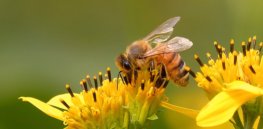
Varroa mites central driver of uptick in overwinter honeybee colony losses according to 2018-2019 survey, worrying entomologists
Beekeepers across the United States lost 40.7% of their honey bee colonies from April 2018 to April 2019, according to ...
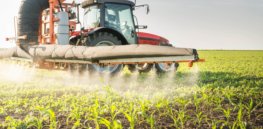
Viewpoint: Environmentalists put nature ahead of human welfare by assaulting ‘unnatural’ GMOs, pesticides
Traditionally, Western thought has conceived of the environment as a set of natural elements that can be domesticated by man ...

Viewpoint: To boost sustainable farming, new UN Food and Agriculture Organization chief should promote science-based policies
The United Nations body is about to elect a new director‑general. The choice will affect the entire globe for years ...

Impossible Foods rebuffs activist Vandana Shiva’s ‘illogical, ironic’ plant-based GMO burger boycott
For decades, Vandana Shiva has been an outspoken activist against genetic engineering and the products that result from it, such ...

GMO crops could have slowed fall armyworm pest advance across China
A hungry caterpillar that ravages crops is advancing across China and threatening the nation’s vast supply of maize. Scientists are ...

Gene editing could save Ghana’s cocoa from extinction, scientists say
A new study warns that climate change could drive Ghana’s cocoa (cacao) industry to extinction — a fate that scientists ...

Viewpoint: To support farmers, India should promote consumer acceptance of GMO crops
With Prakash Javadekar taking charge of the environment ministry from the inert Harsh Vardhan, and hopes kindling of genetically-engineered brinjal ...

Sequenced genome reveals how almonds went from bitter to sweet, could help produce more flavorful nuts
A team of researchers .... has found the genetic difference between bitter wild almonds and the sweet domesticated variety. In ...
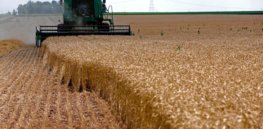
High-yielding wheat boosts chemical use? Study busts popular farming myth
The myth that modern wheat varieties are more heavily reliant on pesticides and fertilizers is debunked by new research published ...
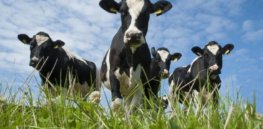
Land use for meat production slashed by 140 million hectares since 2000. Intensive agriculture could keep the decline going
Pastureland is by far the single largest human land use on the planet. Globally, we use twice as much land ...
