


Sustainability & Climate Change

Why AI and nuclear energy are inextricably linked
The explosive growth of the artificial intelligence industry, a boom that is still only in its infancy, is already triggering surging electricity ...
Science, safety and solutions: GMO promotion in Ghana
Movements opposing genetically modified organisms (GMOs) remain one of the most impactful protest movements in recent times, successfully suppressing the ...

Understanding plant biodiversity: Myths and facts
[W]hen we say “lost genetic diversity”, everyone understands extinction both in terms of species and variety. The registered varieties have ...
How AI bots are redefining agriculture
The rapid advancement of artificial intelligence (AI) in agriculture is transforming the way farming operations are conducted, marking a significant leap towards more ...

Lab grown, cell based salmon now on sale in San Francisco Bay area
It's lunchtime at the San Francisco headquarters of Wildtype. And company founders Justin Kolbeck and Arye Elfenbein, M.D., believe what's ...

Gene edited oats contain more fiber and are more climate resilient
McGill researchers just changed how oats grow. Using CRISPR-Cas9, they edited the crop’s DNA without adding any foreign material. That ...
AI pushes sustainability envelope in vertical farming
In a world where arable land is shrinking and climate instability threatens food security, vertical farming has emerged as a ...
AI and robotics deployed to combat labor shortages and boost yields
Farmers are increasingly turning to artificial intelligence and robotics to combat labor shortages and boost yields, even as these technologies ...
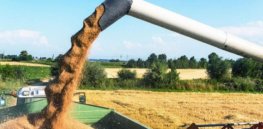
Viewpoint: GMOs could improve global food and farm yields by more than 20%
In recent years, genetically modified organisms (GMOs) have become one of the most pivotal agricultural innovations, profoundly transforming the way food is produced and managed worldwide. With global populations on the rise and climate change introducing unprecedented challenges to farming and ...

3D printer turns rotting food scraps into household items
Researchers at the Massachusetts Institute of Technology (MIT) have unveiled a groundbreaking innovation: a 3D printer that transforms food scraps ...
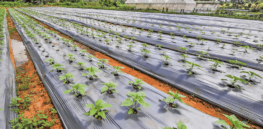
Confronting the growing challenge of increased plastic pollution in agriculture
Over the past decades, plastic has become an integral part of agriculture and this use is increasing with the intensity ...

Can gene editing dramatically reduce global hunger?
In 2015, the United Nations (UN) adopted 17 Sustainable Development Goals with Goal 2 (SDG 2): Zero Hunger, aiming to ...
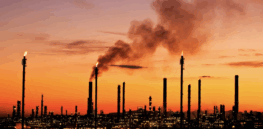
Viewpoint: As Earth’s temperatures reach record and accelerating highs, EPA rejects the science
“There is unequivocal evidence that Earth is warming at an unprecedented rate. Human activity is the principal cause.” Those two ...
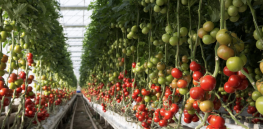
The confluence of AI and biotechnology will drive the development of unprecedented sustainable crops
A major review published in the prestigious journal Nature today outlines how artificial intelligence and biotechnology could transform global crop production — ...

Agroecological farming is not financially sustainable and will need substantial government subsidies
A new study by the UK Centre for Ecology & Hydrology (UKCEH) has suggested that while nature-friendly farming methods improve ...

How climate change is helping drive food price inflation
Florida is one of the country’s top producers of fruits and vegetables. ... But climate change has already altered Florida’s ...
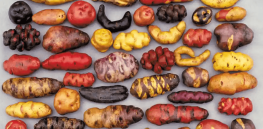
How gene editing could transform the humble potato into a sustainability powerhouse
In Peru, [gene editing] is already beginning to emerge as an ally in facing the challenges posed by climate change, ...

Climate change is pushing more and more species towards extinction. Gene editing may be a savior
Gene editing technologies, such as those used in agriculture and de-extinction efforts, can be repurposed to provide what an international ...

7 technologically futuristic foods are already rolling out
As the global population accelerates towards nearly 10 billion by mid-century, the imperative to transform food production systems has never ...
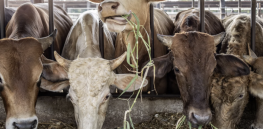
6% of global carbon emissions are linked to beef. Here’s how American exports can sharply reduce that
Trump’s global trade shake-up has prompted nearly every nation around the globe to reexamine their own trade policies, asking what ...
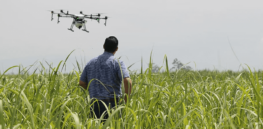
AI, drones and robots: Future farming
Many modern farms already use GPS-guided tractors and digital technology such as farm-management software systems. Now, advances in artificial intelligence ...

Fungus free rice? Dream CRISPR gene edited breakthrough could significantly address global hunger
In a groundbreaking advancement, researchers from the University of California, Davis, along with an international team, have harnessed the power ...

Why are so many unapproved chemicals found in European-grown organic food?
The European Food Safety Authority (EFSA) has published a report that investigates the occurrence of 21 active substances frequently present in organic ...

Viewpoint: How Greta Thunberg’s doomsday degrowth messaging dangerously fanned hopelessness in younger generations
After a movie at her school about garbage in the oceans left her in tears as a teenager, Greta Thunberg ...
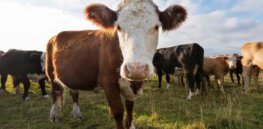
Fighting climate change with gene editing: Can we slash cows’ methane production?
Preventing ruminant methane from being produced in the first place seems a sensible way to limit its damaging effects ...

Chef Aiman: New Dubai restaurant helmed by AI chef
Dubai is known for pushing the boundaries of what is possible, and it is once again making headlines—this time with ...

No flora or flamingos: How the green business movement is destroying the environment while claiming to save it
As the world transitions to more renewable energy sources, the demand for it has soared. In 2021, about 95,000 tonnes ...
