


Sustainability & Climate Change
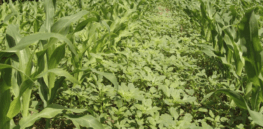
Viewpoint: If activists and trial lawyers have their way, the herbicide glyphosate will be banned. What would that world look like?
As a reminder for the doomsayers, the Environmental Protection Agency classifies glyphosate as “not likely to be carcinogenic to humans.” ...

Viewpoint: Gene-edited crops can save the planet—if regulators don’t screw it up
Crop breeding has long been used to improve agricultural productivity, but as modern biotechnology tools reshape the field, discussions over ...
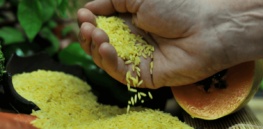
How modern farming and science are driving a global rice boom
In a world worried about looming food shortages triggered by the climate crisis, the collapse in rice prices — now ...
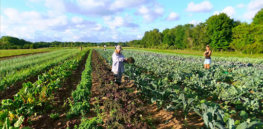
Supporters of organic and genetically engineered crops want the same thing. How we get there most sustainably is the sticking point
Glyphosate (Roundup) is out but fungicides like copper sulphate are in. Genetically modified Bt corn is out but Bt spray ...

Ghanaian farmers hesitant on GM maize despite benefits
A new study of 550 maize farmers across five regions in Ghana found that while the majority are aware of genetically modified (GM) maize, ...

When farmers deny science: The hypocrisy hurting agriculture’s credibility
There is vast scientific consensus that our planet is experiencing a long-term climate change, and denying this trend — as ...
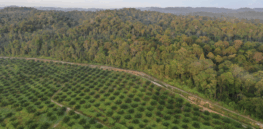
Fighting deforestation with CO2: Biotechnology breakthrough creates sustainable palm oil alternative for cosmetics
A significant advancement in sustainable innovation has emerged from a collaboration among the Mibelle Group, LanzaTech, and the Fraunhofer Institute ...

Viewpoint: Video — Big Solar is gobbling up productive agricultural land and hurting farmers yet providing little energy or sustainabilty gains
I made this 10-minute documentary, SUNBLOCK, because I love farmers and ranchers and want to tell their stories. This film ...
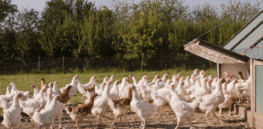
The free-range chicken dilemma: Better for birds, but with substantial costs
In the 2021 study, researchers looked at organic and free-range farms, which offered birds more space to roam and raised slower-growing breeds as ...

Four ways to strip carbon out of agriculture and limit farming’s climate impacts
Carbon is a “hot topic” in an age of Climate Change (pun intended). That is playing out in unique ways ...

Nigeria’s government pairing with scientists to convince a skeptical public of the virtues of agricultural biotechnology
The Federal Government has clarified that the introduction of Genetically Modified Organisms (GMOs) and their products in Nigeria is not ...

How self fertilizing gene-edited wheat could be a boon for developing world farmers
Scientists at the University of California, Davis, have developed wheat plants that stimulate the production of their own fertilizer, opening ...

Mining nuclear waste may power the future of nuclear power
Today’s nuclear power plants generate energy through a process called nuclear fission. ... This fission chain reaction provides a steady ...

Organic farming will never be truly sustainable until it embraces gene editing
The organic process is neither viable nor sustainable but a new paper would like to change that. By allowing modern ...
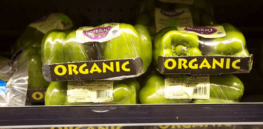
Viewpoint: Should the public foot the pricey bill for organic farming and food?
A group of European researchers argued in a recent journal article that permitting the use of gene edited crops in ...

Can bacteria replace synthetic fertilizer?
Synthetic fertilizer is a modern wonder, helping to feed billions of people, but it’s not without its costs. Fertilizer runoff ...
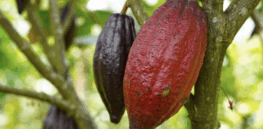
CRISPR for ‘stronger, sweeter’ cocoa: Mars bets on gene editing technology to future-proof chocolate supply
Candy maker Mars said ... it has partnered with biotech company Pairwise to speed up the development of more resilient ...

Viewpoint: Can regenerative agriculture spark the beginning of the end for carbon intensive conventional farming?
Today, techniques such as cover-cropping and integrated pest management are being embraced not only by environmental activists but also by ...

How the organic industry is combating fraud
The organic industry is no longer the niche market it was several decades ago. To support growing demand across multiple ...
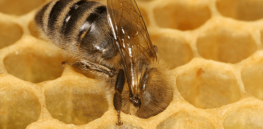
Honeybee supplements could protect an essential insect as climate stresses soar
Scientists have developed a honeybee "superfood" that could protect the animals against the threats of climate change and habitat loss ...
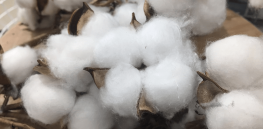
Landmark GMO: Pakistan develops cotton variety that resists pests and withstands 120F degree heat
In a landmark development for Pakistan’s agriculture sector, the Centre for Excellence in Molecular Biology (CEMB) at Punjab University, in ...
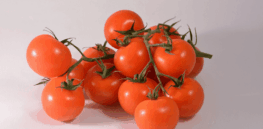
AI paired with gene editing poised to escalate fight against tomato diseases
Aided by artificial intelligence, researchers at UC Davis managed to strengthen plants’ immune response by re-engineering protein structures that detect ...
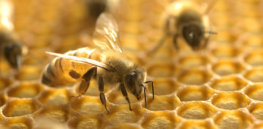
Disease is the greatest threat to bee health. Can genetically engineered probiotics help protect them?
If you cannot engineer the organism, engineer its microbiome. Since scientists began exploring how to solve problems using synthetic biology, ...

Creating easy pollinating flowers: How AI and gene editing work round-the-clock to speed up crop breeding
For millennia, developing resilient crops relied on pollination by nature or humans—making the process long and often costly. Now, scientists ...

What is ‘Green AI’?
Degradation of the natural environment, resource depletion, and climate crisis are intricate phenomena requiring innovative and advanced solutions. This is ...

Plants digest diesel and polyester, break down pesticides and fabric dyes, and store heavy metals in their bodies. Exploiting nature’s powers to clean up the environment
With the products of our technology now woven into remote ecosystems and our own flesh, there’s no escape from ourselves ...

Why AI and nuclear energy are inextricably linked
The explosive growth of the artificial intelligence industry, a boom that is still only in its infancy, is already triggering surging electricity ...
