


Sustainability & Climate Change

How genomic-focused farming can reduce climate and population pressures
Many governments and scientists are now turning to agrigenomics to tackle food sustainability and security. Agrigenomics involves the genome sequencing ...
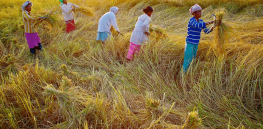
Viewpoint: ‘Only 60 harvests remaining on Earth’? Environmentalist exaggerations obscure dramatic advances in biotechnology-boosted agriculture
A little over 200 years ago, one of the noted economists and philosophers of the day, Thomas Malthus published an essay ...

Video: NASA data rebuke ‘green wisdom’ on cattle and carbon pollution. With 50+ million heads of cattle, Argentina has net positive carbon balance
Argentina is one of the few countries in the world with a positive carbon balance, according to a study published ...

Great-tasting heirloom wine grape varieties can survive climate change with CRISPR gene-editing
The winters that climate change is bringing — ones that are milder on average, but still experience drops to extreme cold — ...

GLP podcast and video: Low-carb diets cause heart disease? Economic de-growth or ‘green’ growth?
Many people have turned to low-carb diets as a way to shed unwanted body fat, but a new study suggests ...
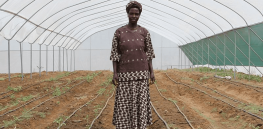
Misinformation on GM crops and improved seeds hurting Kenyan farmers and hungry citizens
Rose Rono has lived and farmed in Limuru, Kiambu County, in Central Kenya for the last 10 years. In a ...
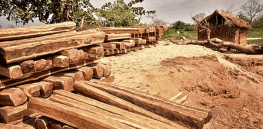
Deforestation can drive outbreaks as dangerous viruses spread from wildlife to people. Here’s how to minimize the threat of spillovers
Researchers have shown that deforestation can drive outbreaks by bringing people closer to wildlife, which can shed dangerous viruses. Scientists ...
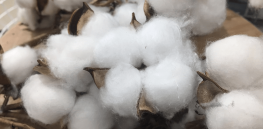
Which cotton is more sustainable: Organic or conventionally-grown and genetically modified? No easy answers
Organic cotton is produced without synthetic pesticides and fertilizers, and with non-genetically modified seeds. The use of fewer synthetic pesticides ...
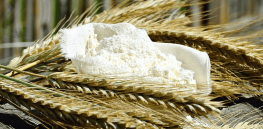
Nearly all soy and corn exporters plant genetically modified seeds. Why, so far, is there a dearth of GM wheat?
Nearly all corn and soybean acres in the world's largest exporting countries are seeded with genetically modified varieties, but that ...
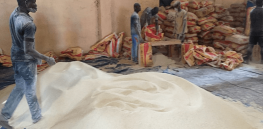
Climate disruptions are eroding the quality of rice. Here is how gene-editing could protect one of the world’s most important staples
A review of gene editing techniques suggests that the CRISPR/Cas (clustered regularly interspaced short palindromic repeats/Cas) method could be a ...
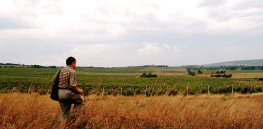
How the war in Ukraine has derailed the European Union Farm to Fork initiative — and sparked debate about what constitutes sustainable agriculture
In March 2020, the EU, unveiled its Farm to Fork (F2F) strategy, an ambitious policy designed to reduce agriculture’s carbon ...

Leather jacket look-alikes made from shrimp shells? Check out this biomaterial innovation made from ‘chitosan’
TômTex’s model aims to tackle two problems at once: finding biodegradable materials for garment manufacturers and upcycling mountains of marine ...

Viewpoint: Before you blindly endorse a ‘meatless future’ to limit greenhouse gasses and protect the environment, read this
Many activists and reporters claim we should eat little or no meat to prevent climate change. But instead of presenting ...

How might we adapt to fast-changing global temperatures? 2-million year old ‘environmental DNA’ offers clues
The reconstruction of a once-living landscape in northern Greenland from 2 million years ago, deduced from bits of DNA bound ...

Breeding better cattle? Genetic screening becomes widespread
Traditionally animal breeders would select animals based on their physical characteristics, such as body weight, milk production or size. However, ...
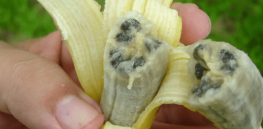
Here’s how gene editing could save the beloved Cavendish banana from extinction
US-based Elo Life Systems, a biotech company targeting food sustainability, is tapping into gene-editing to save Cavendish bananas from a ...
$1.25 for a gallon of carbon-neutral gasoline? How sewer sludge and other bio-waste could provide cheap energy
Mark Holtzapple is a professor at Texas A&M University in the Mcferrin Department of Chemical Engineering. He's spent most of ...

Large-scale solution to climate change? Living Carbon plants first genetically modified trees in US forest
Living Carbon’s poplars start their lives in a lab in Hayward, Calif. There, biologists tinker with how the trees conduct ...
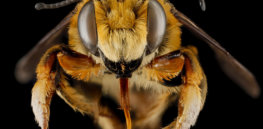
Beepocalypse Myth Handbook: Assessing claims of pollinator collapse
After a decade of debate, the causes of the mid-2000s spike in bee deaths is coming into focus. Culprits are ...
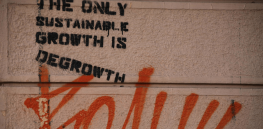
Economic ‘de-growth’ or ‘green growth’: Which climate change strategy makes the most sense?
Scientists have long debated whether carbon emissions reductions and economic growth can co-exist. The developments of the last decade show ...
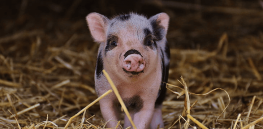
‘Good for climate and welfare’: Assisted fertilization in development for pigs, but some animal rights groups push back
A research group at the Norwegian company Norsvin will study better methods for fertilizing pigs in the laboratory and transporting ...
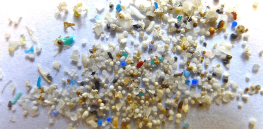
Plastics make agriculture possible — but are microplastics harming soil?
Frequent extreme weather and growing food demand have exacerbated reliance on plastics to increase grain yield. Plastics used in agriculture ...
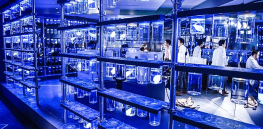
Viewpoint: ‘Our planet is at a breaking point’ — Is it time to foster innovations like precision fermentation and cultivated meat to realign food systems with climate reality?
Many of us have enjoyed a boom of eating what we want, when we want it, and are only now ...

Climate change ripple effect: Rising temperatures allow mosquitoes to spread across Africa, bringing malaria with them
Mosquitoes that transmit malaria have moved away from the Equator by about three miles per year over the past century, ...
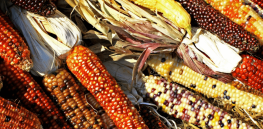
Do conventional crops reduce biodiversity as advocacy groups claim? Is modern plant breeding necessary? Examining populist views on modern agriculture
The aim of the European Seed series on Myths, Fake News, Misinformation and Disinformation is to dive deeper, taking a closer ...

Grains, coffee and citrus are among foods threatened by rising temperatures. Some species may go completely extinct without new solutions
There are some ways in which we can definitely expect climate change to alter what we eat. Here are some ...
Viewpoint: ‘Every approved biotech crop has benefited the environment’ — Why streamlining regulations are key to sustainability and food security goals
Today, there is much discussion about how agriculture contributes to climate change. Most agree that we should continue improving food ...
