


Sustainability & Climate Change

‘Organic label doesn’t always mean safer,’ study finds: Spinosad insecticide more damaging to beneficial insects than synthetic imidacloprid neonicotinoid banned in Europe
Very low concentrations of the popular organic insecticide spinosad have profound effects on beneficial insect species, including vision loss and ...

Genetically modified crops pose unique dangers? We’ve used nuclear energy to improve fruits, vegetables and grains for almost a century–including organic foods
Getting fruits and vegetables from seed to plate is an obstacle course that involves navigating climate changes, pests and diseases, ...
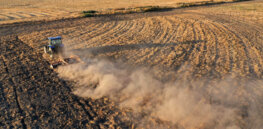
Here’s how climate change is poised to devastate the most productive agricultural region in the world
The San Joaquin Valley – the most profitable agricultural region in the United States, with eight million acres of farmland ...
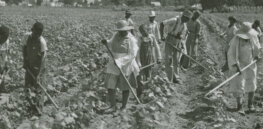
Viewpoint: Are we overusing agricultural chemicals? Not if we we want increased yields, lower prices and more sustainable practices
We would be remiss to ignore the positive effects that modern crop protection has had for us. Without pesticides, crop losses ...
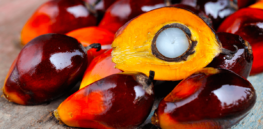
We may soon be able to genetically engineer a synthetic alternative to palm oil, helping to preserve biodiversity. Here are the challenges
Tom Jeffries and Tom Kelleher met at Rutgers University in the 1970s while studying industrially useful microbes. Jeffries went on to ...
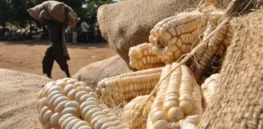
Kenya debates final approval of genetically engineered corn
The approval for commercialisation of genetically modified maize now lies with the Cabinet after scientists concluded field trials and handed ...

GLP Podcast: Biotech fish ‘invade’ Brazil; TikTok GMO-sterility myth debunked; Bad diet and dementia
A genetically engineered "GloFish" is swimming freely in Brazil's streams. Should we be worried? Despite a popular conspiracy circulating on ...

Viewpoint: Here’s why you should be concerned about nanoplastics
Tire particles from the world’s billions of cars, trucks, bikes, tractors, and other vehicles escape into air, soil, and water ...
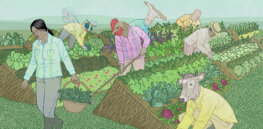
Viewpoint: Why it’s reasonable to question if regenerative agriculture is really more sustainable than conventional farming
Scientists have been accused of mounting a sustained attack on regenerative agriculture and splitting the science community. Not all, but ...

Living Carbon has engineered a poplar tree that soaks up carbon and fights climate change. What are the barriers to rolling this out?
A California biotech company seeking to create fast-growing trees that can rapidly soak up atmospheric carbon dioxide has announced its ...
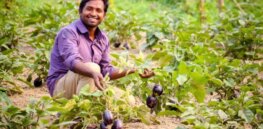
Viewpoint: ‘I live in India and I am launching a civil disobedience movement against the moratorium on GMO insect resistant eggplant.’ Here’s why
India’s farmers... need technological freedom. In my letter, I asked PM Modi to lift the 2010 moratorium on genetically modified (GM) ...

Viewpoint: ‘Sanctimonious’ biodynamic farming promoted by rockstar ‘Sting’ rebuffed by Italy’s president and Nobel laureates
Sting may swear by it, but the rock star’s trick of using dung, animal intestines and cow horns to get ...
Viewpoint: German science communicator says EU cannot reach sustainability goals without plant based diets and crop biotechnology
There is a simple solution to quickly reducing the climate-damaging greenhouse gases from agriculture: everyone should stop eating meat and ...
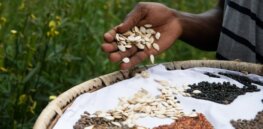
Gene editing can increase yields, improve nutrition, fight climate change — and bring native species back to African agriculture
Gene editing is making it easier for researchers to help local plants varieties adapt to changes in the local environments ...
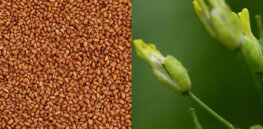
Genetic engineering breakthrough could cut fossil fuel use in industrial compounds
Rothamsted scientists have engineered a plant to produce a range of vital chemicals used in the manufacture of common everyday ...

How biotech aids biodiversity
As the basis for food, housing, clothing, medicine, industrial raw material and potentially many more benefits to human well-being, biodiversity ...

Genetically-selected crop breeding has increased yields more than 600% over 2 centuries. Gene editing could dramatically accelerate that
Humans have improved plants for their utility through selective self-pollination, crossing, and progeny selection for >10,000 years, largely based on ...

Are your organic clothes eco-friendly and chemical free? Fraud rampant in India exports, world’s largest cotton market
“This product contains independently certified organic cotton grown without chemical pesticides, chemical fertilizers and genetically modified seeds,” the product description ...
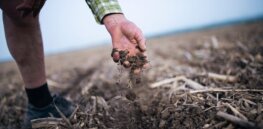
Regenerative vs organic: As focus shifts towards addressing climate change impacts, what does that mean for organic agriculture’s future?
As organic products make it into the hands of more consumers than ever before, it’s clear that the industry is ...
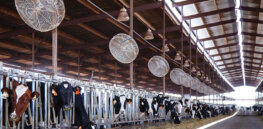
CRISPR poised to improve cattle production in the tropics by reducing disease and boosting climate resilience
One of the main problems in the tropics is heat stress, which disturbs animal homeostasis affecting the metabolic and hormonal ...
Viewpoint: How organic labeling and marketing undermines efforts to reduce carbon emissions and improve farming sustainablity
Officially, the Environmental Protection Agency defines organic food as: “Food grown and processed using no synthetic fertilizer or pesticides.” Products emblazoned with ...
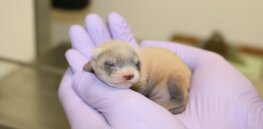
Some endangered species can no longer survive in the wild. So should we alter their genes to protect them?
Around the world, populations of many beloved species are declining at increasing rates. According to one grim projection, as many as ...

Viewpoint: Slow Food movement claims two recent studies showing EU’s Green Deal Farm to Fork strategy would exacerbate climate change are flawed
The EU Farm to Fork Strategy has been repeatedly attacked and questioned by industrial farm lobbies, a number of conservative ...

‘Gene revolution’: Africa could benefit greatly from embracing genetically engineered crops — but overcoming public and policymaker skepticism is key, concludes Russian researchers
Sub-Saharan Africa (SSA) is the least food-secure region, and solutions are constantly being sought to alleviate the problem. The region’s ...
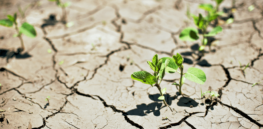
6 ways agricultural scientists are addressing climate change
Modern agriculture has to produce more food than ever to feed our growing planet, which requires the use of synthetic ...
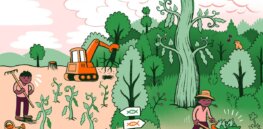
Farming sustainability study: What climate benefits could widespread adoption of genetically modified crops bring to Europe?
Genetically modified (GM) crops can help reduce agricultural greenhouse gas (GHG) emissions. In addition to possible decreases in production emissions, GM yield ...

Viewpoint: What is a ‘pesticide prescription program’ — and is it a better option than many chemical regulations?
The public worry about residues in food. They are concerned about harming non-target flora and fauna. They worry about the ...
