


Sustainability & Climate Change

Greenhouse gas emissions from farming wild lobster and shrimp often eclipse livestock emissions. Animal-free chickpea-based seafood could cut our carbon footprint
In 2016 alone, marine-fishing vessels released 207 million tons of CO2 into the atmosphere, compared to just 47 million in ...

Search for the perfect cell-donor cow: Why cultured lab-grown beef is the future of sustainable meat
At a glance, the formula for cultured – or lab-grown – meat is simple. Take some animal cells, feed them ...
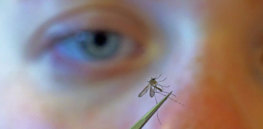
How CRISPR gene editing could dramatically reduce health threats posed by disease-carrying mosquitoes
Mosquitoes are one of humanity’s greatest nemeses, estimated to spread infections to nearly 700 million people per year and cause ...
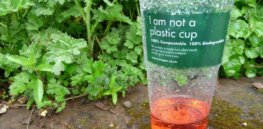
Replacing unrecyclable plastics: Sustainable ‘biopolymers’ are made from tree bark and compost
Trees, crops and even organic waste can be transformed into a bewildering array of plastics to use in products ranging ...

Futuristic food: From 3D-printed meals to DNA-based diet analysis, here are the 10 biggest food tech breakthroughs over the last decade
[F]ood tech has changed how we eat, for good. So, what’s the driving force behind this activity? And where have ...
Viewpoint: Organic lobbyists show ‘sheer hypocrisy’ opposing UK emergency authorization of neonicotinoid sugar beet seed treatments — while supporting environmental waiver for ‘acutely toxic’ copper sulfate
The Government was right to make provision for a temporary and limited derogation for the use of the neonicotinoid seed ...

‘Zero input’ seaweed burger? This sustainable kelp-based patty requires no fertilizer, land, or fresh water to produce
With the increasing consumer demand for plant-based meat alternatives, kelp could be an important sustainable solution: a zero-input crop that ...

Video: To feed nearly 8 billion people, we need to grow more food on less land. Vertical farming could increase yields by up to 700%
Vertical farming is a form of agriculture that grows plants indoors in floor-to-ceiling, tower-like walls of plant-holding cells. Instead of ...

Billions of baby male chicks are slaughtered every year because they can’t lay eggs. Here’s how CRISPR gene editing could prevent them from being culled after birth
The problem: Chick culling is the practice of killing small, day-old male chicks with a variety of fairly gruesome methods ...

How important is soil quality to addressing climate change? It’s critical, and here’s a blueprint for refocusing American R&D
COVID-19 and the resulting economic crisis have highlighted and exacerbated the plight of American farmers, while also threatening already dwindling ...

Fast-growing genetically modified salmon arrives in South America, as Brazil approves AquaBounty fish sales
Genetically Modified (GM) salmon producer AquaBounty said [June 1] it has received regulatory approval from Brazil’s National Biosafety Technical Commission ...

Viewpoint: ‘Trading one moral catastrophe for another’ — Why swapping beef for chicken won’t fix animal agriculture’s ‘devastating’ environmental impact
[O]ften, the messaging is that we can save the world by switching out our beef consumption for chicken. The problem ...

Hemp is a ‘dream crop’ but challenging to work with. Here’s how Calyxt is mobilizing gene-editing technology to produce fiber with less water and pesticides than cotton
Calyxt, a Minnesota-based plant technology firm, has transformed the hemp genome to provide a “proof of concept” that the crop ...
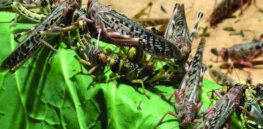
Africa cracks down on ravenous locust swarms by ignoring Greenpeace’s anti-pesticide rhetoric
As nations around the world struggle with COVID-19 and related economic lockdowns, African countries are fighting another plague: swarms of ...

Viewpoint: National security and agriculture — Why the US needs a forward-thinking farming blueprint that ‘encourages local produce, livestock raising and meat processing’
The COVID-19 pandemic exposed an ignored truth of the American agriculture system: While the U.S. agricultural system is able to ...

‘Future foods’: How kelp, maggots, fungus and other nutrients grown outside of the traditional agriculture system can help fight climate change
In a new perspective piece, researchers at the University of Cambridge’s Centre for the Study of Existential Risk explain that ...

2 in 5 dairy farmers believe cows should not be genetically engineered to reduce disease susceptibility. What might change their minds?
[E]ven before the consumer sees a product on the grocery shelf... farmers’ decisions can make or break a technology’s chance ...

Banned in Uganda: While the Irish potato faces disease and climate change, politics stymie farmers eager to adopt still unapproved GM seeds
It's a five-hour drive into the western part of Uganda to Kachwekano Zonal Agricultural Research and Development Institute (KaZARDI), where ...

Are bees disappearing due to ‘climate chaos’? Out of 250 bumblebee species around the world, only a few species are in danger
It’s easy to find... articles on the internet which claim that bumblebees and wild bees will be extinct in 20 ...

‘Gene hacking’ fall armyworm moths: Biotech company Oxitec behind Florida Keys gene drive mosquitoes approved for pest-release test run in Brazil
Oxitec, the British biotech firm behind the genetically engineered mosquitoes that just took flight in the Florida Keys [recently], is ...

Cultured meat is key to a sustainable farming future, but its success depends on a key, yet-missing ingredient: Fat
“When it comes to tasty and realistic meat alternatives, what you need is texture, cooking performance, and taste. Plant-based companies ...
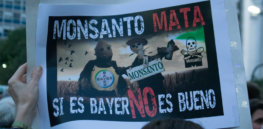
Viewpoint: Mexico’s ‘cut-off-your-nose-to-spite-your-face’ glyphosate ban — Why prohibiting one of the safest herbicides in the world will dramatically increase the use of a demonstrably more harmful alternative
It appears that the proposed Mexican government plan to ban all genetically engineered corn and the widely used herbicide glyphosate ...
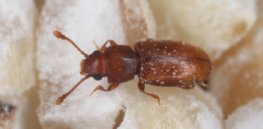
Viewpoint: Glyphosate is great at killing weeds, but there are concerns its use could imperil the microbiome of some insects — both beneficial and harmful
[A] study, published in the journal Communications Biology, showed that glyphosate inhibits a biochemical pathway in bacteria that was previously ...

‘Carbon is not our enemy but our ally’: Here’s a living laboratory in India studying how crop and livestock farmers can address agriculture’s adverse climate impacts
43 percent of greenhouse gas (GHG) emissions [are] caused both by use of fossil-intensive fertiliser and land-use change, which in ...

‘Food culture disruptors’: Gen Z — the largest and most diverse generation ever — is demanding better prices, quality and ethics in agriculture
Gen Zers have been called “food culture disruptors” based on their culinary skills (thanks to internet tutorials and recipes, many ...
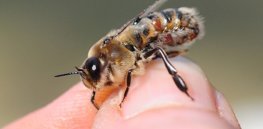
RNA technology brought us effective COVID vaccines. Next up: ‘Precisely targeted, environmentally-friendly’ techniques that dramatically reduce use of problematic chemicals
[RNA-based COVID vaccines let] a vaccine-recipient’s immune system learn to recognise a crucial part of the enemy before the real ...

Viewpoint: ‘It’s time to invest in meatless meat’ — Why Biden’s climate plan should address the environmental impact of animal agriculture
For decades, the US government has been pouring money into the meat industry. That funding effectively built the industry into ...
