


Daily Human Digest

Homo sapiens may only have appeared 300,000 years ago, and evolved modern features gradually
Human origins are notoriously tough to pin down. Fossil and genetic studies in 2017 suggested a reason why: No clear ...

Birth defects in Brazil linked to Zika, not insecticides or vaccines
In the fall and early winter of 2015, a startling number of infants in northeastern Brazil were born with abnormally small ...

Treating spinal cord injuries by genetically modifying cells that help us smell
Researchers from the University of Bristol have just shared the promising results of a new treatment for spinal cord injuries that could ...

Isolating DNA for research inexpensively in 30 seconds
The ability to extract DNA from cells is a cornerstone of molecular biology. Without the ability to isolate pure DNA, there ...

2017: The year gene therapy became a ‘clinical reality’
This year, gene therapy finally became a clinical reality. The U.S. Food and Drug Administration approved two personalized treatments that ...

Can CRISPR really save lives? People with beta thalassemia blood disease likely first human trial subjects
For those who have no idea what CRISPR is all about, the abbreviation means “Clustered Regularly Interspaced Short Palindromic Repeats.” ...

‘Supermalaria’ may be heading to Africa, as global health threat grows
[Editor's note: Janet Midega is a scientist at the KEMRI-Wellcome Trust Research Program in Kilifi, Kenya and a research associate at ...

Challenging the narrative that someone is manipulating the UN debate over gene drives
It had scandal written all over it. Disclosed emails revealed that a covert coalition lobbying for relaxed regulations around a ...

Astroplastic: Making tools from human feces could aid space travel
A University of Calgary team has flushed the competition with a project that sets out to convert astronaut poop into ...

How your brain steps on the brake after starting a task
To stop an activity, your brain must engage in very precise timing that involves the careful coordination of three distinct ...

CRISPR 2.0: Targeting incurable diseases by ‘turning up volume’ on good genes
Incurable diseases such as diabetes and muscular dystrophy could be treated in future using a new form of genetic engineering ...

Scientists sound alarm over DIY gene therapy, calling it ‘unsafe’
In just the past few months we’ve seen not one, but two examples of people pursuing unregulated gene therapy. … [T]he largest organization of ...

Irish sects show diverse population sources, including Viking influence
Scientists have unveiled a detailed genetic map of Ireland, revealing subtle DNA differences that may reflect historic events. In their ...

Gay genes identified? Research met with ‘severe criticism’
Scanning the genomes of 1,077 homosexual men and 1,231 heterosexual men, researchers identified several genetic regions with multiple single nucleotide ...

Gene therapy, CRISPR could provide treatments for sickle-cell, but cures far off
More than 50 years after the cause of sickle-cell disease was discovered, a dozen treatments for the painful and life-shortening inherited ...

Video: Entomologist Fred Gould critiques media coverage critical of gene drives
[At his talk on "Gene Drives in the News" at the National Academy of Sciences' Science of Science Communication III” Sackler ...

Never too old: Video games could insulate the eldery against Alzheimer’s
If you’re between 55 and 75 years old, you may want to try playing 3D platform games like Super Mario ...

New ‘curvature blindness’ optical illusion illustrates how the brain interprets images
A new optical illusion has been discovered, and it’s really quite striking. The strange effect is called the ‘curvature blindness’ ...

Possible genetic links to homosexuality like ‘finding needle in a haystack’
Scientists in the US looked at the whole genomes of around 1000 homosexual men and 1200 heterosexual men, finding several ...

How DNA can be manipulated to recreate the Mona Lisa
Researchers from Caltech have developed an inexpensive, facile technique for creating very large self-assembling DNA origami structures with customisable patterns ...

Transplanting stem cells directly into brain could alter treatment of nervous system disorders
A therapeutic technique to transplant blood-forming (hematopoietic) stem cells directly into the brain could herald a revolution in our approach ...
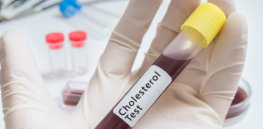
In era of personalized medicine, what’s the value of cholesterol tests?
Most physicians order what [cardiologist Allan Sniderman] considers the wrong test to gauge heart disease risk: a standard cholesterol readout, ...

UN debate over regulating gene drives features powerful forces on the pro side
For some, a new cutting-edge technology called gene drive is the silver bullet able to wipe out invasive species decimating ...

First US baby born from living donor uterus transplant
For the first time in the United States, a woman who had a uterus transplant has given birth. The mother, ...

Video: Explaining CRISPR gene editing with a toy train
When people refer to Crispr, they're probably talking about Crispr-Cas9, a complex of enzymes and genetic guides that together finds ...

Fighting infectious diseases with immunotherapy on ‘cusp of commercialization’
Immunotherapy, which involves adapting immune cells to destroy specific cellular targets, has made a name for itself treating cancer. But ...

Gene drives could combat exploding population of poison-resistant subway rats and other pests
Figures ... show that London councils receive 100 complaints about rats and mice each day with some local authorities reporting ...
