


Daily Human Digest

Will we learn anything from the brain of Las Vegas shooter Stephen Paddock?
The brain that sat in the skull of the Las Vegas shooter [Stephen Paddock] as he planned out his attack, ...
Warm thoughts? Treating depression with whole body hyperthermia
[Editor's note: David Haggerty is a neuroscience graduate student at the Indiana University School of Medicine.] A collaborative effort, led ...
Gene therapy creates boy’s replacement skin from his stem cells
Doctors treated a 7-year-old boy’s devastating genetic skin disease—junctional epidermolysis bullosa—by genetically modifying his stem cells to create a new ...
Targeting RNA with CRISPR could reverse half of known pathogenic point mutations
The scope of CRISPR-based research has […] expanded because of the introduction of two new concepts. First, researchers began to ...
Immortal dictators: Is there a downside to life-extending technologies?
Suppose there was a country ruled by an evil dictator. Further, suppose the entire world was plagued by a terrible ...
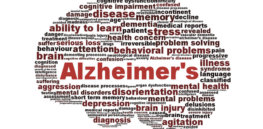
Could Alzheimer’s originate outside the brain?
We associate Alzheimer’s with physical deterioration in the brain, but new research shows the nerve damage responsible for Alzheimer’s onset ...

Artificial intelligence fears could lead to over-regulation
[A]s we begin to realise [artificial intelligence] opportunities, the potential risks increase: that AI will proliferate, uncontrolled and unregulated, in ...
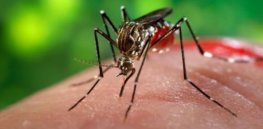
Bacteria-armed mosquitos approved for US release in fight against Zika, dengue and yellow fever
The US Environmental Protection Agency (EPA) has approved the use of a common bacterium to kill wild mosquitoes that transmit ...
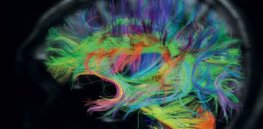
Brain studies weakened by lack of diversity in participants
[S]ocial sciences [tend] to focus on people from WEIRD societies—that is, Western, educated, industrialized, rich, and democratic. The results of such studies ...
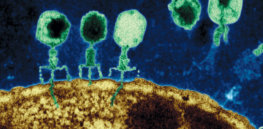
Ancient viruses have become a permanent part of our genes
Transposons, also called transposable elements, are ancient viruses that have become a permanent part of our genes. Around half of ...
Neurologic disorders may be linked to brain’s immune system
New research suggests there could be a link between certain disorders, including Alzheimer's disease, and the brain's inability to clear ...

Combatants prepping for next skirmish in battle over CRISPR patents
The long-running battle over US patents for CRISPR–Cas9 gene editing continues. On 25 October, the Broad Institute of Cambridge, Massachusetts, filed ...

Video: Exploring the possibilities offered by CRISPR gene editing
The CRISPR-Cas9 system has revolutionised gene-editing, but cutting DNA isn’t all it can do. From turning gene expression on and ...

Viewpoint: ‘Gattaca’ reminds us that gene editing has dark possibilities
[Editor's note: Osagie Obasogie is a professor of bioethics at the University of California-Berkeley.] Set in the not-too-distant future, the ...

Mars missions: What would long-term space travel do to the brain?
In a NASA-funded study published on [November 1], Dr. Donna Roberts of the Medical University of South Carolina and her ...

Two of a kind? Twins offer unique glimpse into human development
In the world of genetics, identical twins offer a valuable source for study. And they've shown that our genetic makeup ...

‘Young blood’ infusions may boost cognitive abilities of Alzheimer’s patients
The first controlled, but controversial and small, clinical trial of giving young blood to people with dementia has reported that ...

How do you define ‘species’? Turns out, it’s not so easy
At first glance, “species” is a basic vocabulary word school children can ace on a test by reciting something close ...

Unlocking the mystery of complex diseases
In our effort to find the answers to some of the most afflicting conditions and diseases known to science, biologists ...

What’s the excitement over gene therapy?
Gene therapy has been in the news a lot of late as a potential cure for a variety of genetic ...

100 billion neurons make up our brain—how does it all work?
[Editor's note: Sara Linker and Tracy Bedrosian are postdoctoral research fellows in the Laboratory of Genetics at the Salk Institute for ...

Fate of Neanderthals may have been sealed when early humans started migrating
What killed off the Neanderthals? It’s a big debate, and now a study says that no matter what the answer, ...

Cost effective? What DNA screening might catch that we are not likely to find
Known broadly as the MyCode Community Health Initiative and run by the Danville-based Geisinger Health System, the effort has so ...

Universally shared biodata could create powerful ‘internet of living things’
Imagine students in universities becoming the first “sequencing line of defense” by detecting bacteria resistant to antibiotics and educating their ...

Cancer treatments gain strength when linked to genomic tests and therapy
In an interview with ETHealthworld, Dr Govind Babu, Associate Professor at Kidwai Memorial Institute of Oncology, Bengaluru, discusses the rapid advancements in genomics, ...

IQ debate: How much of intelligence is determined by genetics?
[Editor's note: Robert Plomin is deputy director of the MRC Social, Genetic and Developmental Psychiatry Center at King’s College London.] ...

Viewpoint: Gender equity debate demands understanding of biological differences
[Editor's notes: Marta Iglesias is a predoctoral researcher in the Champalimaud Neuroscience Programme, Lisbon. Her research is focused on how ...
