


Daily Human Digest
Lung, pancreatic cancers linked to critical gene mutation
Researchers ... have identified a critical gene, FOSL1, in the development of lung and pancreatic cancer. Approximately 25% of patients ...
Fighting bioterrorism, disease: ‘Radically redesigned’ antibiotics show promise
Early tests of radically redesigned antibiotics suggest the drugs could bolster defenses against biowarfare and bioterrorism. [R]esearchers used two inhibitors ...
Tiny CRISPR-Cas9 injections could treat retinal diseases, with no off-target effects
Scientists at the Center for Genome Engineering, within the Institute for Basic Science (IBS) in Korea, in collaboration with ToolGen, ...
GLP’s Jon Entine: Rules on human germline gene editing must be flexible to encourage innovation
[Editor's note: Marcy Darnovsky is the executive director of the Center for Genetics and Society. Jon Entine is the executive director ...

Neanderthals’ legacy genes: Some people taller, protect against schizophrenia
Neanderthals are still affecting what illnesses some people develop, how tall they are and how their immune systems work, despite ...
Should we worry about safety of gene drive when using it to fight malaria?
[Editor's Note: Excerpts are from a presentation by James Collins, an evolutionary ecologist from the Arizona State University in Tempe, ...
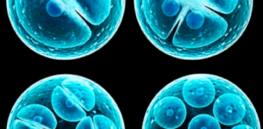
From rough sketches to virtual reality: How scientists study, learn about developing embryos
Armed with a wand and funky spectacles, Beatrice Steinert steps into a world of lush green mounds and bright blue ...

Autism, other brain disorders linked to network of 91 genes
Gene discovery research is uncovering similarities and differences underlying a variety of disorders affecting the developing brain, including autism, attention ...

Cell atlas: 37 trillion cells in the human body will be catalogued in ambitious effort
The objective is to construct the first comprehensive “cell atlas,” or map of human cells, a technological marvel that should ...
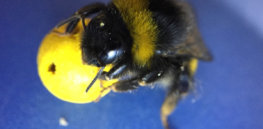
Golfing bumblebees? Amazing video of insect learning could spark artificial intelligence research
Bumblebees have learned to push a ball into a hole to get a reward, stretching what was thought possible for ...

Who should own revolutionary gene editor CRISPR? Scientists or the public?
In a one sentence ruling, an appeals board granted the rights to the powerful gene editing technology CRISPR-Cas9 to the ...
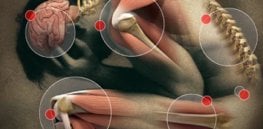
On/off switch? Chronic pain could be eased if we identify the right genes
[Editor's note: Blair Smith is a professor of population science at the University of Dundee in Scotland.] Two of the ...

Weird world of DNA: What’s the best way to help patients with genetic diseases that are not inherited?
The stories of two children, Millie and Hannah, highlight ways that genetic disease can seem to veer from the predictions ...

Epigenetics Around the Web: Dolly the sheep and aging. Epigenetics is not genetics. Obstacles to gene editing.
This week’s features include: a clinic that doesn't know the difference between epigenetics and genetics; lessons about aging from Dolly ...

Racial biodiversity: Indigenous people offer opportunity to understand how genetic mutations evolve
[Editor's note: Keolu Fox is a biomedical researcher studying indigenous people.] Ninety-five percent of all drugs [are tested] only on ...

Stress defense: Your biological clock activates protective genes as you age
Researchers at Oregon State University have discovered that a subset of genes involved in daily circadian rhythms, or the "biological ...

Excessive hand washing? Obsessive Compulsive Disorder (OCD) linked to gene mutations associated with autism
We know obsessive-compulsive disorder has a genetic basis, and now researchers are digging into our DNA to figure out exactly ...

Muscle-wasting disease in dogs cured using gene therapy, offering hope to suffering boys
For decades, some unlucky dog lovers have [witnessed their puppies'] seemingly healthy muscles literally waste away...until they could no longer stand ...

Eczema-taming ointment could be made with bacteria from your own skin
Teruaki Nakatsuji and Richard Gallo from the University of California, San Diego, have discovered that some bacteria which naturally live ...

Cancer patients can learn ‘good and bad news’ by sequencing their disease genome
Advances in genomics and molecular biology have revealed that cancer is surprisingly, shockingly diverse...Each one can be defined by a ...

Is your body shaped like an apple? It’s probably ‘in the genes’ and it could pose health risks
A study from Massachusetts General Hospital (MGH) researchers has found that a pattern of gene variants associated with an “apple-shaped” ...

Disease treatment, tissue regeneration may be bolstered by precise identification of stem cells
Scientists at Rutgers and other universities have created a new way to identify the state and fate of stem cells ...

Can personalized medicine help those with chronic diseases that have environmental triggers?
[Editor's note: Sharon Horesh Bergquist is a physician, teacher, researcher in preventive medicine and healthy aging at Emory University] Personalized ...

Diabetes linked to ‘junk’ DNA previously thought to have no function
[A]mong the thousands of genes which code for vital proteins, hidden in plain sight are much vaster chunks of non-coding ...

To test or not to test? When is genetic screening for diseases a smart move?
Hundreds of prescription genetic tests are now available for everything from depression to cancer to Alzheimer’s disease. Such testing does ...
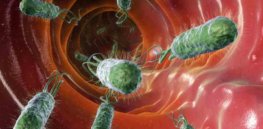
Evolving immunity: Controlling obesity, mood with designer gut bacteria faces obstacle
Beginning in 2012, scientists discovered they could use CRISPR proteins to precisely edit the genomes of not only bacteria but ...

Multiple sclerosis treatment could ‘reset’ immune system with stem cell therapy
New research provides further evidence of autologous hematopoietic stem cell transplantation as an effective treatment for multiple sclerosis, after finding ...
