


Science Literacy Project Daily Digest

Growing crops in space: International mission aims to develop plants that can adapt to climate change on Earth
The International Atomic Energy Agency (IAEA) and the Food and Agriculture Organization of the United Nations (FAO) launched seeds into ...

Bayer wins sixth consecutive glyphosate cancer verdict
Bayer scored another win over Monsanto’s Roundup herbicide after a Missouri jury came out with a defense verdict November 9 ...

Viewpoint: ‘End of policy paralysis’ — India’s approval of genetically-modified mustard brings major economic benefits
Dhara Mustard Hybrid-11 (DMH-11) is the first GM food crop to be approved in India. The only other crop that ...

Viewpoint: ‘Portugal, Spain, France and Italy are in the line of fire’ — How gene-edited crops could help address crippling droughts plaguing EU farmlands
While the worst of the summer drought has now passed, EU Commission researchers predict unusually warm and dry weather in ...
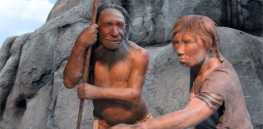
Who surivived in England after the last ice age? DNA analysis reveals two distinct groups
Scientists have sequenced the oldest human DNA discovered in Britain and discovered two unique population groups that lived in Britain ...
‘A whole new class of drugs to fight malaria’: Single dose of antibody infusion protects for six months
A single dose of an antibody drug provided strong protection against malaria infections during the six-month rainy season in Mali, ...

Stopping bioterrorism: Here’s how new genetic sequencing can detect altered viruses and bacteria
A new, highly transmissible strain of influenza emerges. A pesticide-resistant insect decimates huge swaths of crops. A patient winds up ...

How a genetically-engineered enzyme could help recycle plastic waste and clean microplastics from the oceans
People like recycling. Tossing an empty bottle or old mail into the proper bin feels like tidying up and doing ...

Adapting plants to our needs: From rudimentary hand pollination by ancient farmers to CRISPR, humans have always been genetically modifying crops
People have been taking plants from the wild and growing/cultivating them to both meet their needs and their pleasures for ...

Genetically-modified houseplant that can scrub the air? This startup may have a biological way to address pollution
It looks like an ordinary pothos, a common houseplant that you might already own. But a new plant called the ...

‘Agrivoltaics’: Crossover of farming and solar power could advance food security and synergize climate goals with farmer needs
So, for the uninitiated, what is agrivoltaics? The term refers to the simultaneous use of areas of land for both ...

Viewpoint: ‘Activists and organizations spread lies about GMOs’ — Nobel laureate chides dogmatic political discourse, highlights decades of GMO’s safe use
Misinformation about science, especially genetically modified crops, need to be dispelled and they should be adopted as it is backed ...

Viewpoint: ‘What’s the biological equivalent of an atomic bomb’? Here’s how the gene editing revolution could go astray
We now sequence the genes of people, animals, plants and tumors routinely. We’re starting to edit DNA, not only in ...

What’s the best time of day to exercise?
Performing moderate to vigorous activity (MVPA) in the afternoon or evening may improve blood glucose control to a greater extent ...

Library of the future: How DNA storage can break through current technological storage limits
While DNA can store data orders of magnitude greater in complexity and density than today's storage media, researchers are grappling ...

Distant tomato relative the groundcherry: Genetic modification poised to rescue key orphan crop
Over 34 million people in the U.S. don’t have enough food. More diverse and adaptable crops are needed to address challenges in ...

Viewpoint: Satellites, artificial intelligence and smart machines key to addressing agriculture’s sustainability and social challenges of the future
Migel Tissera, Co-Founder and CTO of Metaspectral, says that technology has a significant role in improving agriculture sustainability ...

The case for GMOs in Africa
Biotechnological studies on Genetically Modified Organisms (GMOs) offer various options for solving the continent's hunger, malnutrition, and food security challenges ...

More than 3,000 plants — including some organic crops — developed by mutating seeds using radiation or chemicals. Here’s an explainer
Plant mutation breeding, also called variation breeding, is a method that uses physical radiation or chemical means to induce spontaneous genetic variation in plants ...

AI and blood poisoning: New tool could help detect sepsis before it becomes fatal
Each year in the United States, sepsis kills over a quarter million people — more than stroke, diabetes, or lung ...

Podcast: Evolution of hair texture — Did curls help early humans survive?
In the latest episode of the Tracking Traits podcast, postdoctoral researcher Tina Lasisi relayed her aims as a scientist working ...
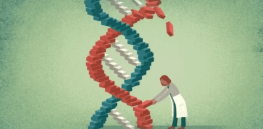
CRISPR co-creator Jennifer Doudna looks back on the best and worst parts of gene editing’s first ten years
In a candid conversation with GEN Senior Science Writer Julianna LeMieux during “The State of Biotech” forum, Doudna discussed a ...

‘We are out on the far edge of experimentation’: Lone volunteer in Duchenne muscular dystrophy CRISPR gene editing study dies
The lone volunteer in a unique study involving a gene-editing technique has died, and those behind the trial are now ...

‘Hybrid meat’: Will consumers embrace food made of both cultivated meat and plant-based protein?
In much the same way that hybrid vehicles acted as a bridge between the electric vehicle experimentation of the 1970s ...

Bayer reaches confidential settlement with plaintiff alleging Monsanto’s QuikPRO weedkiller caused his non-Hodgkin’s lymphoma
Officials of Monsanto and their attorneys decided to pay off a St. Louis plaintiff, a professional landscaper who sued them ...

Video: UNESCO examines the environmental and biodiversity impacts of gene-edited plants and animals
Genome editing is a powerful tool. It allows us to modify genes not only to treat human diseases but also ...

Ancient homo sapiens diets included grains, veggies… and other people? Cannibalism was the norm in early human societies
Our Paleolithic ancestors ate each other. We (Homo sapiens) did it. Neanderthals did it. Homo erectus and Homo antecessor did ...
