


Science Literacy Project Daily Digest

‘The fittest among us?’: Why are preteens at lowest risk from coronavirus?
Although the estimation of mortality and morbidity rates caused by pandemics is fraught with difficulty, a trend seems to emerge ...

Why girls with ADHD aren’t being diagnosed
Anxiety. Depression. School failure. Self-harm. Unemployment. Unplanned pregnancies. Even an increased risk of early death. The risks and toll of ...

‘Cartoonishly oversimplistic’: Researchers rethinking amyloid hypothesis for Alzheimer’s
[Experts are] divided about whether treating amyloid buildup—long thought to be the best target for an Alzheimer's therapy—is still a ...

Second massive locust swarm hits East Africa, exacerbating already severe food shortage threat
They’re back: Trillions of locusts descend on East Africa in second wave. Think of locusts as giant, hormonally charged, very ...

Following restaurant debut, gene-edited, heart-healthy soybean oil now available directly to consumers
Plant-based technology company Calyxt has launched a direct-to-consumer site for its high oleic soybean cooking oil, Calyno, which is claimed ...

Despite GMO Bt insect-resistant cotton approval, Ethiopia still skittish about widespread biotech crop cultivation
The Ethiopian government has denied approving the commercial cultivation of genetically modified organisms (GMOs) other than two Bt cotton varieties ...

Plant-based beef ingredients from China may hurt Impossible Foods, Beyond Meat sales
While America's biggest beef and pork producers were nearly laid low in April by COVID-19 cases in their workforce, sales ...

Is this brain-controlled prosthetic arm—with the sensation of touch—the future of prosthetics?
[T]hree years ago, [electrician Rickard] Normark received a new kind of brain-controlled prosthetic that was surgically attached to the bone, ...
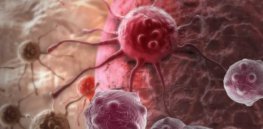
Combining acoustic waves and CRISPR to create gene therapies for cancer and genetic disorders
A UCLA-led research team [April 28] reports that it has developed a new method for delivering DNA into stem cells ...

Biological marker for autism in babies could lead to earlier therapy and better development
A small study by researchers at Stanford University School of Medicine has identified a biological marker in the cerebrospinal fluid ...

7 things we learned about human evolution in the past decade, including that we are older than we thought
To mark the 10th anniversary of the Smithsonian’s “David H. Koch Hall of Human Origins,” here are some of the ...

GMO corn cultivation in Europe has no adverse environmental effects, decade-long study confirms
In European regulations for the deliberate release into the environment of genetically modified organisms (GMO), the objective of General Surveillance ...

Impossible Foods rolls out plant-based GMO burger to 1,700 new stores as COVID-19 strains meat supplies
As more meat plants temporarily close or operate at reduced capacity as coronavirus spreads, plant-based brands “have a window of ...
Ethiopian geneticist defends his country’s decision to approve GMO insect-resistant Bt cotton
A recent report by the United States Department of Agriculture (USDA) Foreign Agricultural Service welcoming the Government of Ethiopia’s (GOE) ...

Glyphosate to blame for COVID-19? Here’s how we know Bayer’s weedkiller didn’t cause the pandemic
An MIT computer scientist with no expertise in agriculture, chemistry, toxicology, or the biological sciences. And yet for some reason, ...

US government launches GMO website, may allow GM crops in some wildlife refuges
While much of the United States government’s recent activity has focused on COVID-19, some agencies are continuing their work in ...

Can CRISPR gene editing give us an allergy-free cat?
If you’re among the 10% of people who are allergic to cats, you can blame a protein found in cat ...
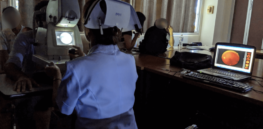
Can Google’s medical AI improve our medical system? Laboratory results and real life offer different answers
[A] study from Google Health—the first to look at the impact of a deep-learning tool in real clinical settings—reveals that ...

‘Genetic scrambling’ over millions of years makes it difficult to understand Earth’s earliest life
Biologists have long hoped to understand the nature of the earliest living organisms on Earth. If they could, they might ...

EU could make 25% of its farmland organic by 2030 to combat biodiversity loss
The EU could set a target of one-quarter of agricultural land in Europe to be farmed organically by 2030, with ...

Reversing herbicide resistance? Geneticists uncover source of ‘dreaded’ pigweed’s glyphosate tolerance
Just hearing “pigweed” can cause fear in cotton and soybean farmers, but a Clemson University geneticist and others believe they ...

Facing weak yields and poor weather, Bolivian farmers demand access to new GMO seeds
Facing declining yields and inclement weather, smallholder farmers in Bolivia are asking the government to approve of the use of ...

Animal breeding advances yield disease-resistant chickens to combat hunger in Africa
In many low and middle-income countries, indigenous chickens are an integral part of the farming system and are an important ...
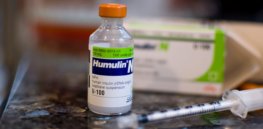
Podcast: ‘Food bullying’ fear of GMO insulin parallels skepticism of biotech crops
Our guest, Heather Barnes, tells parents, “You are doing great.” Having a child with different dietary needs opens the door ...
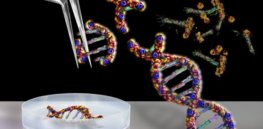
11 things to know about genetic engineering, including how it’s helping us fight disease
What are some interesting facts about genetic engineering, and why it is important? … Genetically engineered things are actually all ...

Do rising carbon dioxide levels dampen our ability to think and make decisions?
As the 21st century progresses, rising atmospheric carbon dioxide (CO2) concentrations will cause urban and indoor levels of the gas ...

Precision (plant) medicine: Biotech drug delivery system fights diseases pesticides can’t control
A new method developed by engineers at MIT may offer a starting point for delivering life-saving treatments to plants ravaged ...
