


Science Literacy Project Daily Digest
10 years ago, the Human Brain Project promised to simulate a human brain. What went wrong?
On July 22, 2009, the neuroscientist Henry Markram walked onstage at the TEDGlobal conference in Oxford, England, and told the ...

Do humans have free will? Neuroscientists seek solution to this ‘philosophical puzzle’
Clinical neuroscientists and neurologists have identified the brain networks responsible for this sense of free will. There seems to be ...

Viewpoint: Eat organic apples to improve gut health? There’s reason for skepticism
Yogurt marketing and supplement claims aside, there is no evidence that your body is impacted by probiotics unless you suffered ...

How fragile egg shells could help us repair, grow new bones
We think of eggshells as fragile. Yet these thin, easily breakable shells may be the key to making better, stronger ...

Nutritionist: You can’t buy GMO wheat—so don’t blame it for celiac disease
Amber Pankonin, a registered dietitian and an adjunct instructor in the science department at the University of Nebraska-Lincoln, places trust ...

Infographic: How CRISPR gene editing works
Here's a quick look at the mechanics of CRISPR, courtesy of Euroseeds, a trade association for European seed producers. The ...

Do bilinguals have a lower risk of developing dementia?
If the benefits of being bilingual spill over to other aspects of cognition, then we would expect to see a ...
New breeding techniques can boost food security in Africa, report finds
New breeding techniques can help Africa meet its food security and industrial needs while improving farmer livelihoods, according to a ...
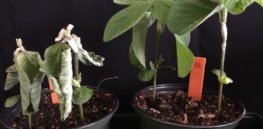
Roundworm pheromones could boost crop pest resistance, cut chemical use
Protecting crops from pests and pathogens without using toxic pesticides has been a longtime goal of farmers. Researchers at Boyce ...

Bayer trial: Judge cuts ‘excessive, unconstitutional’ $2 billion Monsanto glyphosate-cancer damages to $86.7 million
A California judge on [July 25] reduced a $2 billion jury verdict, slashing the award for a couple who blamed ...

2 million years ago, we lost this gene. That may be why humans are so prone to heart attacks
One-third of global deaths are due to cardiovascular disease caused by atherosclerosis, when arteries are clogged with fat deposits. Although ...
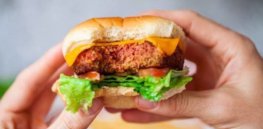
Plant-based Beyond Burger healthier than beef? Nutrition experts weigh in on popular meat alternative
Canadians can't get enough of Beyond Meat's plant-based burger that's designed to taste just like beef .... But does Beyond's ...

GMO Bt corn has ‘no impact’ on health of soil animals, two-year study finds
Scientists from Jilin Academy of Agricultural Sciences conducted a 2-year field trial and found that genetically engineered maize producing insecticidal ...

‘Genetic factors’ account for 81 percent of autism risk, suggests large multinational study
About 81 percent of autism risk comes from inherited genetic factors, according to an analysis of more than 2 million ...

LGBT people may have higher risk for Alzheimer’s, dementia. Are social stressors to blame?
LGBT Americans report increased rates of memory loss and confusion — two early signs of dementia — compared to their ...

Inaccuracies in consumer genetic tests for BRCA mutations prompt call for crackdown from UK doctors
Senior doctors have called for a crackdown on consumer genetic tests, following an influx of patients who have been wrongly ...
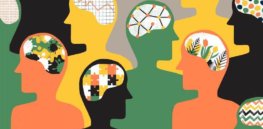
Viewpoint: We need to recognize autism as a medical disability, not just a different way of being
Advocating for medical research, former president of Autism Speaks Liz Feld has stated that one third of people with autism ...

Video: Can we keep this parasitic, bee-killing mite out of the US?
“Bees are not just an incredibly charismatic insect, they’re also incredibly vital to our way of life as human beings,” ...

Chasing a brain boost through psychedelic microdosing? Scientific support is ‘patchy, lacking’, review says
The practice of taking small, regular doses of psychedelic drugs to enhance mood, creativity, or productivity lacks robust scientific evidence ...

Is ‘Big Ag’ getting into the cannabis business?
When Mowgli Holmes and his childhood friend Nishan Karassik founded Phylos Bioscience in 2014 they had one major goal: to ...
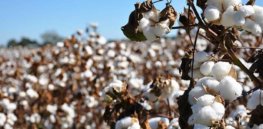
Kenyan scientists lobby for GMO Bt cotton approval to cut pesticide use
Mwea cotton farmers in Kirinyaga have expressed concern over the high cost of pesticides. They say they have to dig ...

Improving artificial intelligence by teaching our machines to reason
Deep learning, the category of AI algorithms that kick-started the field’s most recent revolution, has made immense strides in giving ...

Are we as smart as we’ll ever be? Why we may be getting dumber.
You may not have noticed, but we are living in an intellectual golden age. Since the intelligence test was invented ...

Viewpoint: ‘Bombarding’ public with facts won’t end opposition to GMO crops
In a paper published early this year in Nature Human Behavior, scientists asked 500 Americans what they thought about foods ...

Natural GMOs: Parasitic plants steal host DNA to siphon off needed resources
Some parasitic plants steal genetic material from their host plants and use the stolen genes to more effectively siphon off ...

Dementia warning signs: Unpaid bills, inappropriate comments, weight changes, reminders for simple tasks
What is attributable to normal aging as opposed to cognitive decline associated with dementia? It is common to misplace keys ...
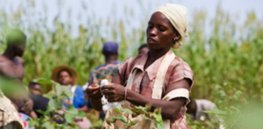
Kenya field trial shows Bt cotton boosts yields four-fold
“The results from the biotech cotton have demonstrated the potential that it has in transforming the textile industry in the ...
