


Science Literacy Project Daily Digest

‘Industrial-scale’ beekeeping doesn’t boost disease prevalence in honeybee colonies, study shows
It is generally thought that the intensification of farming will result in higher disease prevalences, although there is little specific ...
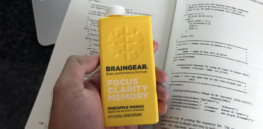
Nootropics and the quest to improve our brains through ‘barely regulated’ dietary supplements
It helped too that, as vague as the term “smart” is, “nootropics” is equally broad. It was coined by Romanian ...

What happens when DNA tests show that white nationalists aren’t as ‘pure’ as they thought?
On the hate site Stormfront, one of the largest online discussion forums dedicated to “white pride,” sharing DNA results with ...

GMO scare 2.0? ‘Arduous’ regulation may increase public distrust of CRISPR-edited crops
Modern biotechnology (transgenesis and gene editing) helps achieve an increase in food production without the need for more land area for agriculture ...
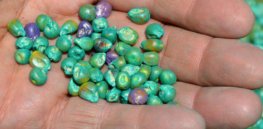
New test accurately estimates bee exposure to neonicotinoid insecticides, study claims
Bee populations are declining, and neonicotinoid pesticides continue to be investigated — and in some cases banned — because of ...

Why comatose infants make ideal test subjects for brain-reviving technology
A recent Nature paper describing an artificial blood perfusion used in an attempt to restore brain function after pigs were ...

Viewpoint: We need GMO, CRISPR-edited crops to help feed 10 billion people
If we want to feed 10 billion people by 2050, in a world beset by rising temperatures and scarcer water ...

Farming without pesticides could double crop losses, boost global food prices, UK economist warns
The average UK family grocery bill could increase by more than [$977] over the course of a year without the ...

Herbal remedy kratom linked to seizures, addiction and deaths
The herbal remedy kratom, often touted as an alternative treatment for opioid withdrawal or chronic pain, is in for more ...

Treating food allergies by tweaking the microbiome? Trials offer ‘promising but mixed results’
These days, there is little doubt that the body’s resident bacteria have a big say in how the immune system ...

Where is China’s third CRISPR baby and what does it mean for the genetics revolution?
Last November, Chinese biophysicist He Jiankui shocked the world by announcing that the word’s first gene edited human babies, two ...

As technology ‘wipes out’ traditional work, biotech investment could revitalize rural America
Cow-free burgers are now all the rage — after Beyond Meats’ recent IPO, shares rose 163% on the first day ...

Creating a synthetic version of the Ebola virus to help fight the real thing
Scientists at the Centers from Disease Control and Prevention have created a synthetic version of the Ebola virus circulating in ...
Vermont: First US state to mandate its own GMO crop regulations
On June 17, 2019, Vermont Governor Phil Scott signed a new law, which creates a committee to review new genetically-engineered ...
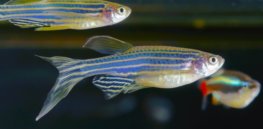
Sleep may have originated underwater 450 million years ago
No one should have to sleep with the fishes, but new research on zebrafish suggests that we sleep like them. ...

Mexico’s self-fertilizing corn could be worth millions. Will village where it grows share in the profits?
In a 1979 visit to Totontepec, a small town in Oaxaca, Mexico, naturalist Thomas Boone Hallberg marveled at the local ...

Demand for sustainable farming fuels growth of ‘GMO-free’ gene silencing tools to combat pests
Since its discovery more than 20 years ago, RNA interference (RNAi) has been extensively used in crop protection platforms. So ...

No Bee Armageddon: US honeybee colony numbers stable for 25 years. Thank capitalism?
Warnings of an impending "bee apocalypse" became widespread in 2006, after some commercial beekeepers reported the mass disappearance of worker ...

Whole-genome sequencing now costs less than a smart phone. But how much do people want to know about their disease risks?
Veritas Genetics is making a big bet that people want to know what’s in their genome. The Boston-based company, which ...

Will we ever know if our computers gain consciousness?
The question of whether machines can have consciousness is not new, with proponents of strong artificial intelligence (strong AI) and ...

Viewpoint: Anti-GMO movement’s romanticized notions of ‘natural food’ won’t solve global nutrition challenges
Food science and farm technologies today provide Americans with an unprecedented abundance of safe, healthy and nutritious food. Yet, consumers ...

Bayer lawsuit: Judge cuts punitive damages in glyphosate-cancer case from $75 million to $20 million
A federal judge on [July 15] slashed a damages award Bayer AG owed a California man who blamed Roundup weed ...

Predicting IQ potential of human embryos may be possible with machine learning, genetic data
[T]he diseases that are most likely to shadow the average person’s life — cancer, heart disease, diabetes — are polygenic, ...
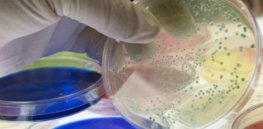
Directed evolution tool could force viruses to churn out new drugs ‘in a matter of days’
Evolution is one of nature's most impressive forces, allowing organisms to adapt to changing environments to survive. By harnessing and ...

Viewpoint: Why the New York Times failed with its coverage of overhyped probiotics obesity treatment
Adding to the steaming pile of unsubstantiated hype over probiotics, the New York Times ran an uncritical article ... suggesting ...
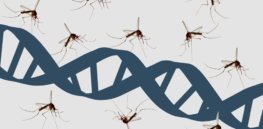
Infographic: Here’s how gene drives would fight mosquitos, malaria
Gene drives have rapidly become a routine technology in some laboratories; scientists can now whip up a drive in months ...

How a combination of rare mutations created devastating heart problems for this family
Heritable diseases — say Huntington’s, sickle cell anemia, or cystic fibrosis — are typically thought of as the result of ...
