


Genetic Literacy Project

The bigger the animal, the bigger its brain? Not so fast
Scientists have long believed that, generally speaking, the bigger an animal is, the bigger its brain. But our recent study challenges ...
Viewpoint: Spreading poison—How green activists pollute public discourse
In the week when the European Union Member States vote for the next European Parliament (plus a host of regional ...

Nutritional epigenetics: How life events can shape your genes and their impact on diet and health
Within the last century, researchers’ understanding of genetics has undergone a profound transformation ...

130 lung cancer patients from six countries given experimental mRNA vaccine as study commences
The first jabs were recently administered in London. There, researchers are testing a vaccine designed to hunt down and kill ...

‘It’s a milestone’: The disease-fighting benefits of weight loss drugs
Few drugs have achieved the stardom that semaglutide, marketed in the United States as Ozempic or Wegovy, has today. A ...

Food prices will climb everywhere as temperatures rise due to climate change – new research
Climate change, and specifically rising temperatures, may cause food prices to increase by 3.2% per year, according to a new ...

GLP podcast: Youth cancer rates ‘soaring’? No. Will AI help or harm mental health care? Confronting vaccine ‘rejectionists’
The media claims that cancer rates are "skyrocketing" among young people. Experts beg to differ. Artificial intelligence is bringing major ...

Viewpoint: AAAS needs a reboot and Science needs a new editor: The creeping corruption of DEI
Dr. H. Holden Thorp, the editor-in-chief of the prestigious journal Science since 2019, recently described on Substack a discussion that occurred during ...

Viewpoint: The EPA just banned a crop chemical. What does that say about activist claims that the agency has become a dupe of the chemical industry?
Last month, the EPA issued an emergency suspension of the herbicide Dacthal and has initiated a process to cancel all ...

Viewpoint: ‘Why does it take 43 years to build a nuclear power plant and 32 years for a GM fish to see a tank? Blame government regulators joining hands with the notorious activist-legal complex
America continues to lead the world in science and technology, but this is hardly a God-given right. Compared to the ...

Viewpoint: Challenging more misinformation about glyphosate: No, it does not cause Celiac disease or alter gluten structure
I can’t wait for the day when anti-science activists decide to cling to an entirely different pesticide to fixate on ...
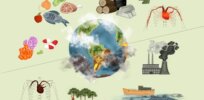
Viewpoint: The Greens are wrong — Here’s why humanity is good for nature
Over the past few years, we have been subject to endless media reports on the devastating impact humanity is having ...

Viewpoint: Nuclear power, pesticides, obesity and global warming: Examining the politics behind four contentious science debates
Gaslighting has now become a popular term again based on telling people not to believe what their lying eyes are telling them ...

28 years of research: Rebuking claims by many environmental groups, cell phones do not cause cancer
A systematic review into the potential health effects from radio wave exposure has shown mobile phones are not linked to ...

Viewpoint: ‘Complaining about failing crop yields in Africa without posing a solution is whining’ — Here’s what’s needed to reverse it
A recent research article— “Crop yields fail to rise in smallholder farming systems in sub-Saharan Africa” — uses 7 models, ...

Viewpoint: Probiotics are not regulated by the FDA. Do they even work?
Probiotics, also referred to as live biotherapeutic products (LBPs), are products that contain live organisms, such as bacteria, that are found naturally ...
GLP podcast: AI will depersonalize medicine? Ozempic might boost sex drive; Supreme Court a threat to science?
Artificial intelligence (AI) could improve the quality of health care in many ways, though some doctors fear it could jeopardize ...

Is glyphosate weedkiller a danger to humans, bees and the environment? Addressing 10 controversial claims
Agricultural advances have made farming and our foods safer and more abundant than at any other time in history. Everyone ...
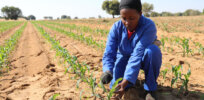
Viewpoint: Science colonialism — Europe and the United Nations are blocking crop biotechnology poised to address global hunger
Wealthy countries with natural 'breadbaskets' - places where it is easy to grow food - have so much abundance they ...

Genetic research and consent: Revisiting the Human Genome Project and ethical concerns
One person’s DNA became the centerpiece of a genetic sequence used by biologists the world over. Did he agree to ...

Glucose monitoring wearables for type 1 diabetes sufferers are a fad for athletes, and others are following. Let’s weigh the benefits—and dangers
Blood sugar monitors (aka continuous glucose monitors or CGMs) have been ubiquitous for people with diabetes. But now they are ...
GLP podcast: Hot dogs probably don’t cause dementia; Subsidize plant burgers? Drinking fathers might damage fetal brain development
Processed read meat could increase your risk for dementia, a recent study contends. How robust are the results? Can the ...

Viewpoint: Here’s a reform roadmap to guide regulators as they seek to modernize oversight of the fast-innovating agricultural biotechnology industry
In 1986, the United States established a “Coordinated Framework for the Regulation of Biotechnology.” In the decades since, this policy ...

Clickbait viral headlines claim that chemicals are sending cancer rates soaring. That’s not what the science says
Cancer is widely misunderstood by most people. If you talk to anyone, they would know the term cancer. Most people ...

Reducing the impact of agricultural chemicals: Accelerated adoption of IPM—Integrated Pest Management—reduces the threat of weed resistance and chemical overuse
Modern pesticides have boosted agricultural efficiency and yields, reducing labor while controlling pests. However, regulatory pressures and inevitable pest resistance ...

How anti-Semitism shaped the genes of Jewish people
Evidence of past outrages is not only in the history books. It's also written in our genomes ...

Fool me once: What is ‘genomic surveillance’ and how might it help predict the next global pandemic?
COVID took the world by stunned surprise – but, to quote an old Who song, we won’t be fooled again ...
Colchicine surprise: As America’s heart disease crisis escalates, repurposing an older drug originally designed to address a different malady could save millions of lives
“Live long and prosper?” Maybe that Star Trek Vulcan blessing needs a rethink in the United States. ...
