


Genetic Literacy Project

Podcast: ‘Straight out lies’ from anti-GMO groups hinder Africa’s food security, South African biologist says
Africa has the most to gain from embracing crop biotechnology, yet the continent's farmers are still largely denied access to ...

Why this lesser-known CRISPR sibling could be a key tool in fight against drug-resistant bacteria, viruses and parasites
A “highly specific and programmable” CRISPR tool could become one of our main tools for fighting pathogens ...

Podcast: Getting back to nature—7 reasons you should start a home garden
Our collective desire to get “back to nature” is probably one of the better instincts from the Woodstock era that ...
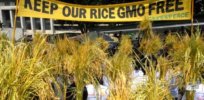
Golden Rice, Part 3: A thoroughly studied, safe and nutritionally enhanced GMO crop approved by Australia, Canada, New Zealand and the US, but vilified by Greenpeace and ‘environmental’ activists
‘Opposition [to Golden Rice] based on emotion and dogma contradicted by data must be stopped.' ...

Mad genius and genes: Are highly creative people more likely to suffer mental illness?
The idea of the "creative madman" (or woman) has persisted throughout history with Vincent Van Gogh as Exhibit A. Science ...

Scrambled DNA fragments could open doors to higher crop yields, new herbicides
Plants have shown a wide range of reactions after being edited with random bits of genetic material. Some grow faster ...
Viewpoint: Will FDA finally crack down on ‘false and misleading’ Non-GMO Project labels?
How much will mega food companies care until FDA decides to enforce the law? ...

Podcast: Did a legendary train ride really lead to the rediscovery of Mendel’s laws?
A Victorian scientist's train ride to London leads to the rediscovery of Mendel's laws of inheritance, Nice story, but is ...

Searching for genetic answers: What makes monkeys different from humans?
Less than 50 of our 20,000 genes are unique to humans. What separates us from monkeys? ...

Viewpoint: We should be careful about ‘crossing the germline’ in gene editing humans
CRISPR gene editing has the possibility to transform disease management, but we can't be scared of editing somatic cells ...
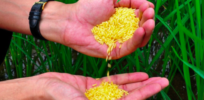
Golden Rice, Part 2: Will nutritionally enhanced rice work and help solve malnutrition in developing countries?
For more than a quarter of a century, vitamin A deficiency (VAD) has been recognized by the United Nations as ...

Podcast: Where blackberries came from—and how genetics made them so delicious
Blackberries are a popular, healthy fruit consumed by people all over the world. Over the last century, significant progress has ...
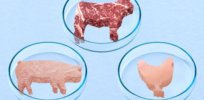
Viewpoint: Lab-grown meat should replace farm animals as food
Why so many people resist cultured meat -- and why they shouldn't ...

Podcast: Glyphosate, cancer and clickbait: Epidemiologist Geoffrey Kabat on how to spot junk science in the news
A Google search for "glyphosate" returns 10,300,000 results—conflicting news stories, opinion articles and videos of varying accuracy. Some of these ...

Viewpoint: What defines a female athlete? Law professor, former runner’s case for why Caster Semenya’s testosterone levels critical in determining if she should compete with women
The Court of Arbitration for Sport ruled that intersex athletes must reduce their testosterone to within accepted female levels ...
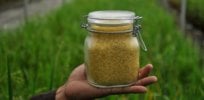
Golden Rice, Part 1: The story of a GMO crop that could benefit billions of children a year
For billions of people, the stakes could not be higher ...

Podcast: Could a benign virus save Florida’s devastated orange industry from citrus greening disease?
Huanglongbing, or HLB, is the Chinese term for the Yellow Dragon Disease–usually referred to as citrus greening. The disease first ...

Viewpoint: Regulators should embrace the Vatican’s decade-old endorsement of GMOs
If only legislators and regulators would “get religion" and take the Pontifical Academy’s decade-old recommendations to heart ...
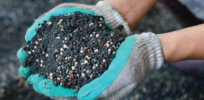
Podcast: How science brought us ‘synthetic’ fertilizer, and why it was a game changer for farmers
Bet you never thought fertilizer was magical but that changes today! On this episode of Biotech Facts and Fallacies, plant ...

Geopolitics of gene editing
For a handful of countries, gene editing is key to their future power ...
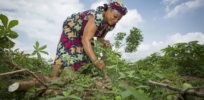
Viewpoint: Anti-GMO forces in Nigeria have abandoned reason and the nation’s best interests
Protecting health and and food security is best done through dialogue and education, not threats and smear campaigns ...

Was our brain growth kick-started by ancestors scavenging bone marrow from animal carcasses?
A new theory challenges assumptions about when and how our ancestors altered their behaviors to boost brainpower ...

Worried about low T? Treatments may be a costly placebo—and could even hurt you
Testosterone therapy does little to counter the effects of aging. But it does have the potential to be harmful for ...

Why the ‘chemical free’ organic industry has a ‘pesticide problem’
The organic label is often touted as meaning "pesticide free" and has become a rallying cry for anti-GMO activists. But ...
Podcast: Are you ready for the Zero Dollar Genome?
We've broken through the thousand dollar genome barrier and are heading towards $100. Leading geneticist George Church want to take ...

Viewpoint: How my cancer treatment turned me into a living, breathing GMO
Whether in cancer cells or apples, GMOs are improving lives ...

Genetically engineered trees could save our forests—but it won’t be an easy fix
A biotech tree could simultaneously increase and decrease the wildness of a forest ...

Podcast: Why do we like sweet foods? How taste and smell color our sense of the world
University of Florida researcher Linda Bartoshuk has been recognized as an expert on interactions between smell, taste and psychology for ...
