









Viewpoint: Europe has traded crop biotechnology for ‘faith-based’ agroecology
We are living in a new Dark Age in Europe where innovation and technology are being rejected at an alarming ...
Costs and benefits need to be assessed in weighing bans on glyphosate and neonicotinoids
The continuing debates over whether the herbicide glyphosate or the insecticide class of neonicotinoids (neonics) could—or should—remain available for farmers ...
New USDA research shows honey bee numbers stable—and probably growing
In 2006, large and mysterious losses of honey bee colonies led entomologists to classify a set of diagnostic symptoms as ...
‘Gold standard’ assessing neonicotinoids: Field bee hive studies find pesticides not major source of health issues
Some lab studies but almost no field ones suggest neonicotinoid pesticides are harming bee health. Why is there such a ...

Viewpoint: Link between bee death and glyphosate still a ‘far-fetched’ story
Glyphosate is a herbicide, in other words, it is toxic to plants. Its target enzyme is not found in insects ...

Beet production drops, plant diseases threaten comeback following EU’s neonicotinoid ban, farmers say
Two weeks after Acor started the new beet reception campaign at the milling plant in Olmedo (Valladolid), field inspections continue ...

Environmental groups ‘hijack’ bee death narrative to push political agenda, citrus farmer says
As we enter the fall months, it is safe to say the 2017-18 California citrus crop year was a success ...
Mushrooms protect honey bee from disease-carrying Varroa mite, study shows
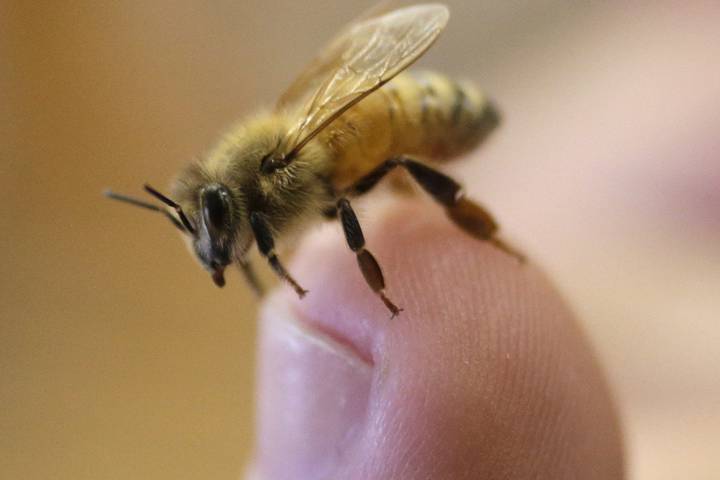
It’s not easy being a bee these days. Apis mellifera, the Western honey bee, is crucial to agriculture worldwide but faces ...
Canada’s suspect move to phase out neonicotinoids to ‘protect bees’ sets stage for US regulatory battle
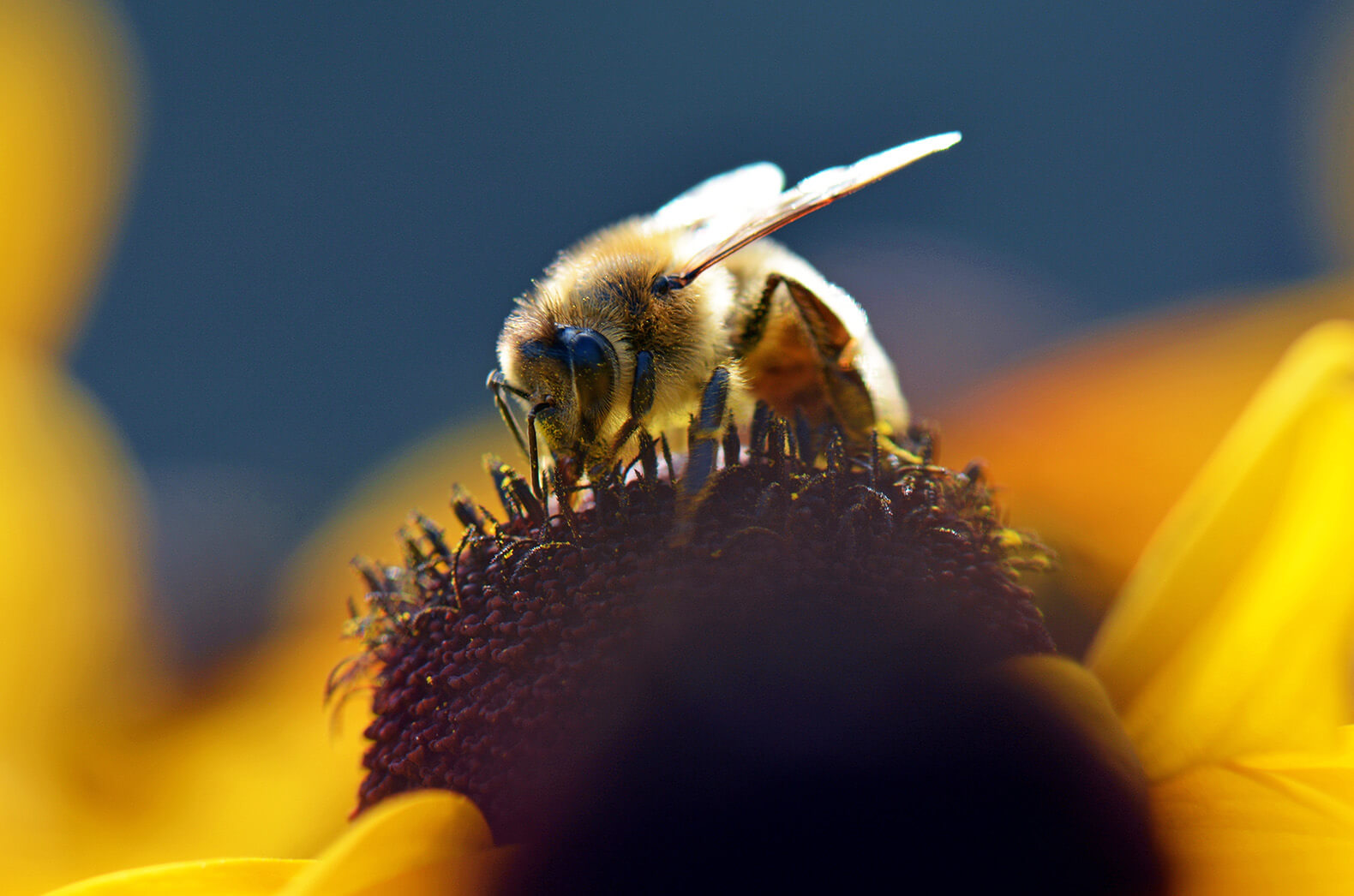
Canada’s PMRA—its environmental regulatory agency, part of HealthCanada—rolled out for public comment its tentative decision to phase out almost all ...
Sunflower pollen may protect bees from deadly diseases
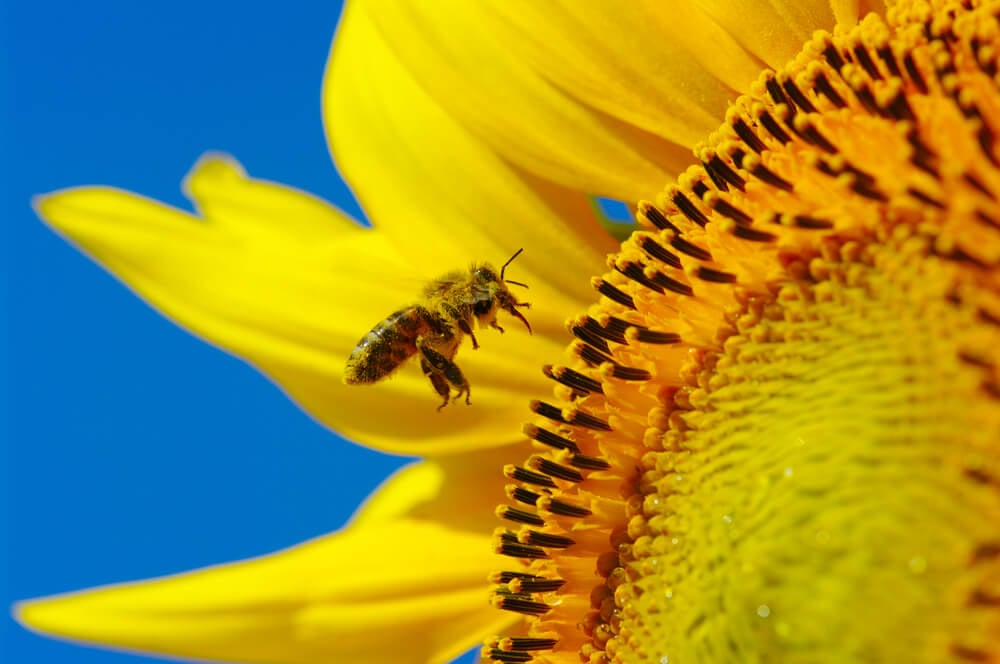
[A] new study offers hope for a relatively simple mechanism to promote bee health and well-being: providing bees access to ...

Viewpoint: New glyphosate study suggesting danger to honeybee microbiota is detailed, sophisticated—and wrong
Erick Motta and colleagues at the University of Hawaii just published a paper in PNAS entitled "Glyphosate perturbs the gut microbiota of honey bees." ...

Non-GMO Project says proposed ban of its butterfly label violates First Amendment
A citizen petition filed on September 24, 2018 by the Information Technology & Innovation Foundation (ITIF) asked FDA to prohibit “non-GMO” food ...
Record-high yields suggest climate change no threat to coffee production
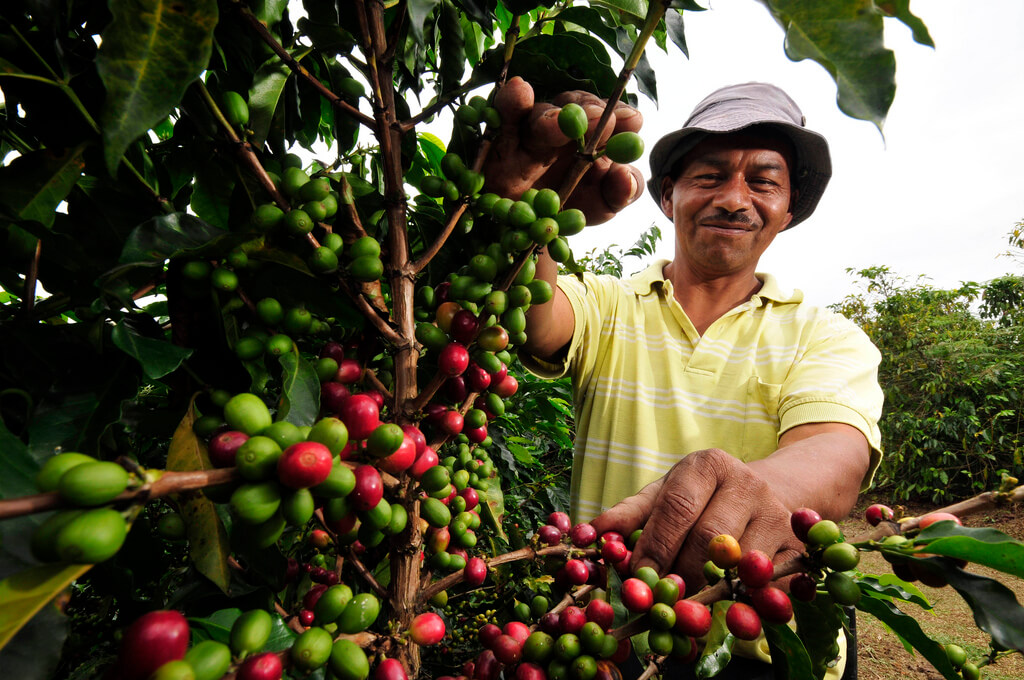
For roughly the last two years, the media has been warning us that climate change is threatening the world's supply ...

Dogs trained to sniff out bacterial diseases could protect bee populations
A new approach in the fight against American foulbrood – a disease effecting beehives across the world – is the ...

Biotech researchers petition FDA to ban ‘deceptive’ Non-GMO Project butterfly logo
The most authoritative science and technology think tank in the United States has filed a petition against the Non-GMO Project’s ...
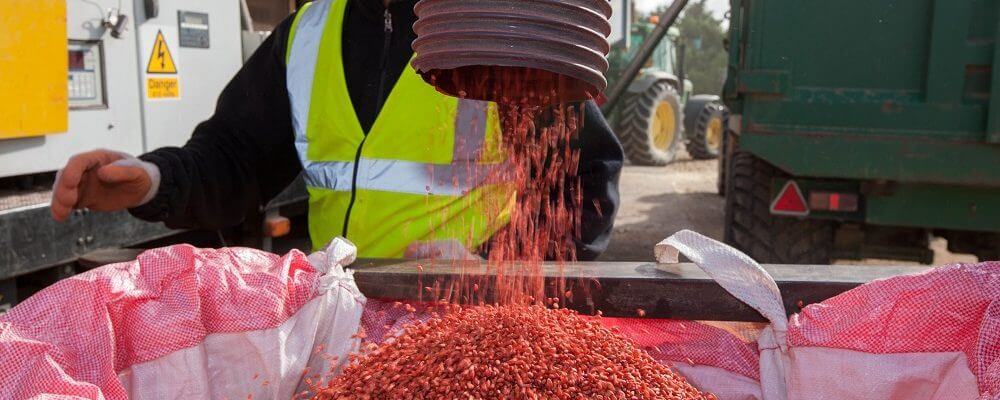
France’s neonicotinoid ban a ‘dead end’ for farmers who need to fight pests
The ban on the use of neonicotinoids as of September 1, 2018 is leading to agronomic dead ends for many ...
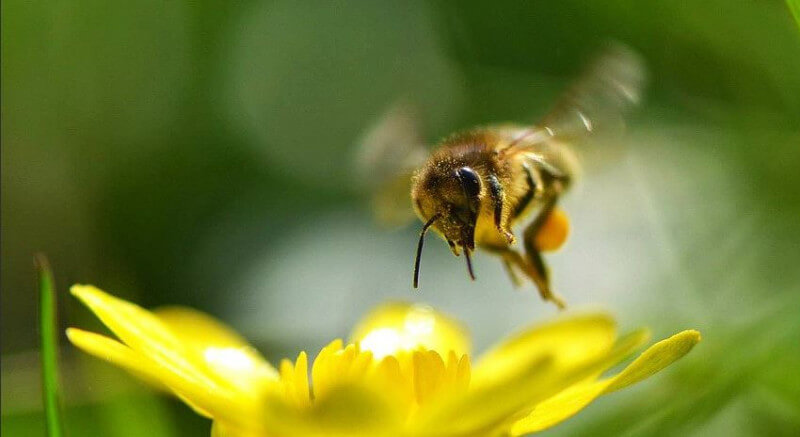
Organic farming’s positive impact on bees may be ‘overestimated,’ new study suggests
Intensive agricultural landscapes can be hostile for bees due to a lack of floral and nesting resources, and due to ...
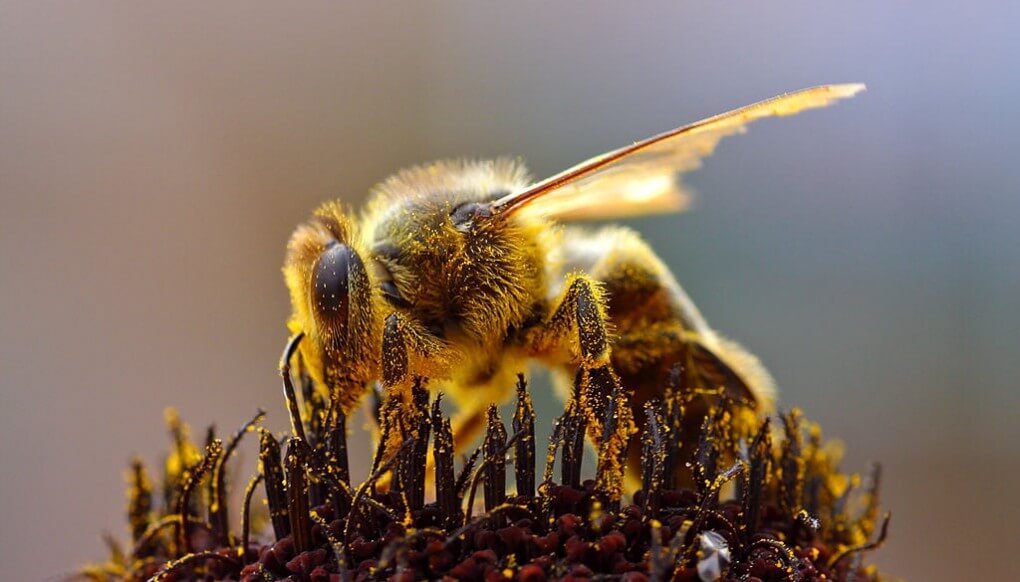
Viewpoint: No, wild bees haven’t been decimated by neonicotinoids, glyphosate
Bees and pesticides (and not just insecticides) have been the focus of activists and scientists alike, particularly since a 2006-2008 ...

New farm bill would stop cities from banning glyphosate and other pesticides
House lawmakers are seeking to halt .... local ordinances to ban or restrict pesticides that opponents say conflict with state ...
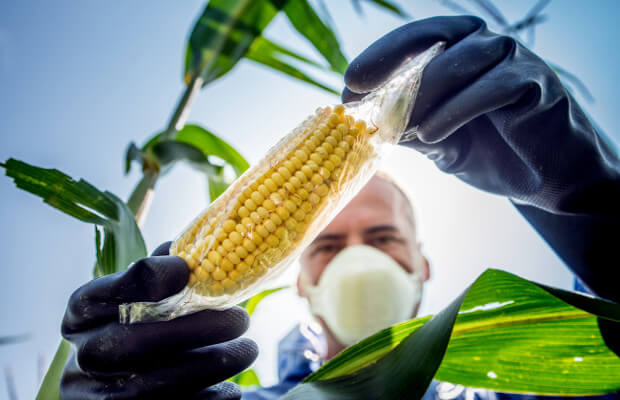
Viewpoint: EU’s new gene-editing rules show failure of scientific leadership
On 25 July 2018, the Court of Justice of the European Union ruled that plants bred via recent mutagenesis techniques would fall ...
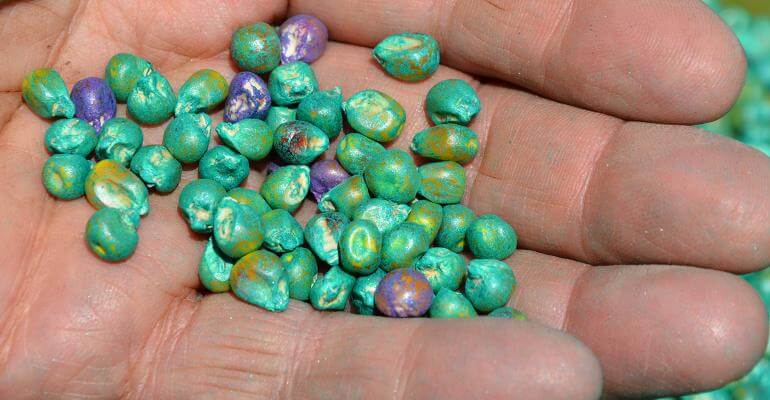
Did Canada overestimate the risks of neonicotinoid pesticides?
On Aug. 16, Health Canada’s Pest Management Regulatory Agency proposed to ban all outdoor uses of [the neonicotinoids] clothianidin and ...

Scientists hunting Asian hornet—invasive ‘honey bee killer’ spotted in U.K.
An Asian hornet sighting has been confirmed in Cornwall, sparking a hunt for the honey bee killer's nesting sites. The ...
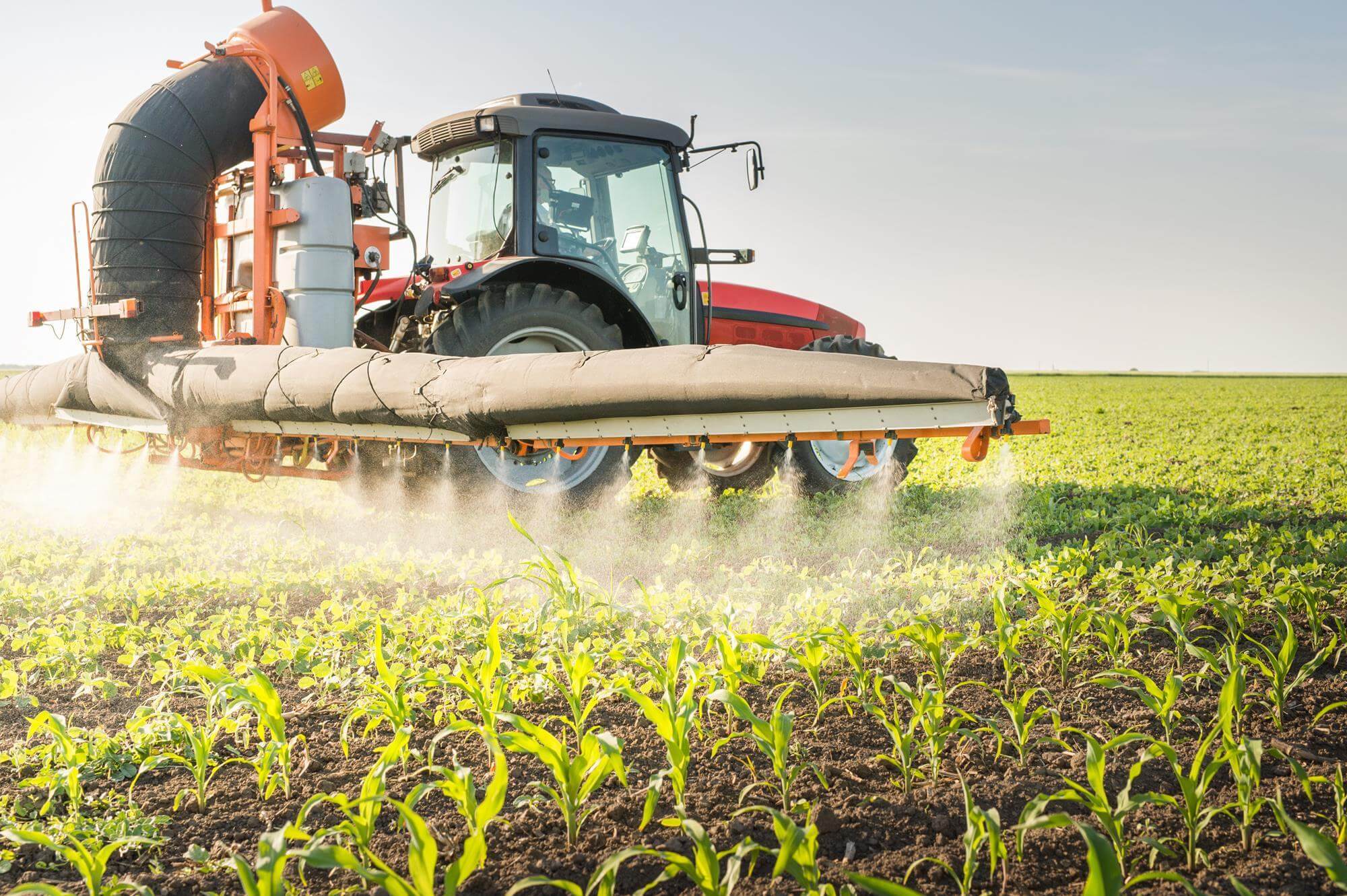
Here’s what electricity can teach us about pesticide safety
Many people may find it difficult to imagine how a pesticide could ever be safe. To understand how that is ...
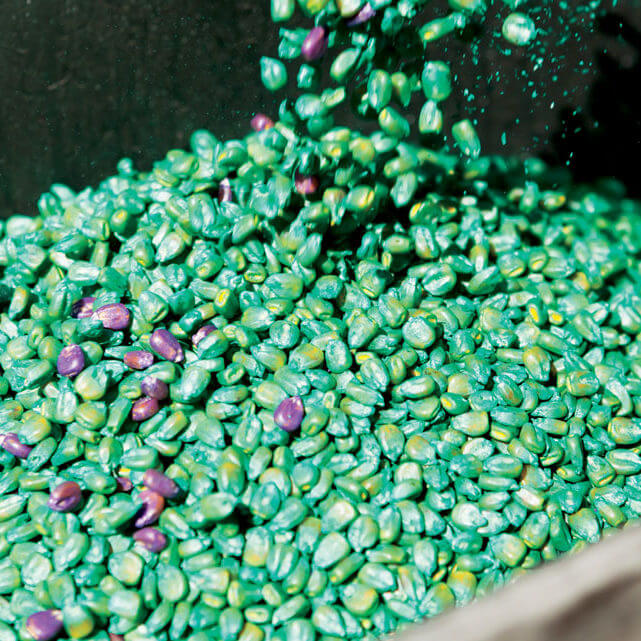
Farmers say Europe’s neonicotinoid pesticide bans put their crops at risk
In April [2018], the EU introduced a ban on outdoor use of three neonicotinoids – clothianidin, imidacloprid and thiamethoxam – ...

France’s neonicotinoid ban just took effect. How will it impact farmers?
A ban on five neonicotinoid pesticides [entered] into force in France on [August 31], placing the country at the forefront ...

10 tips for better communication about pesticide science, risks
One of the biggest challenges for any risk communications professional today is to deliver positive messages on pesticides. Like any ...
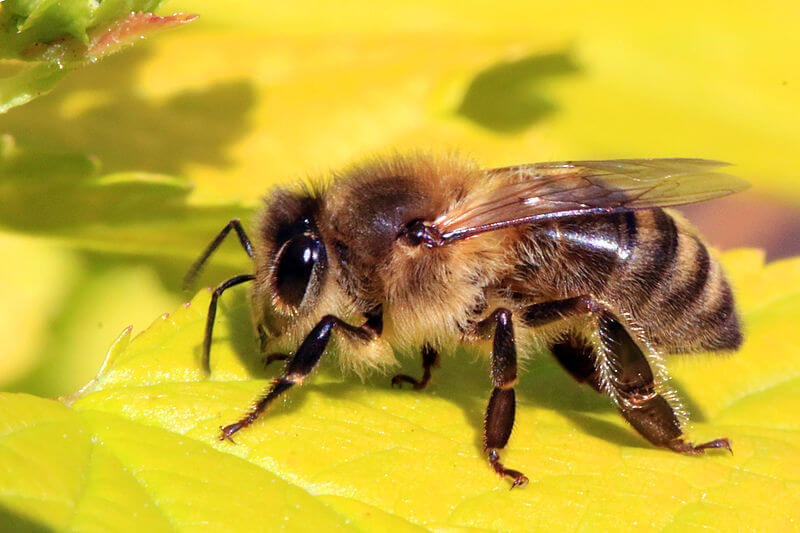
Viewpoint: Public’s support for Canadian neonicotinoid ban obscures bigger threats to bee health
On Aug. 15 .... Health Canada held a news conference to explain why it was banning neonicotinoid insecticides .... Health ...

Pursuing alternatives: Honeybees may be helped by other pollinators
The honeybee, Apis mellifera, has been the dominant pollinator for decades but now is threatened by pesticides, pathogens, parasites and ...
