
An example of how much pesticides have changed

The pesticides that farmers use to protect their crops have changed a great deal over the last few decades.

While improvement is something we expect from technologies as diverse as pharmaceuticals, electronics or plant breeding, few people are aware of the positive developments in the chemicals used for crop protection. I find that many plant molecular biologists and other defenders of biotechnology have a similarly out-dated view of pesticides.

Dramatic change began with the establishment of the EPA in 1970 which led to the elimination of many problematic, old pesticides. Also, there has been a steady stream of new product introductions with both safety and efficacy advantages.
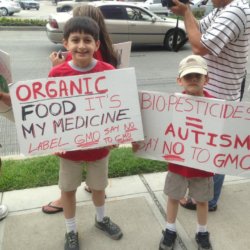

Fortunately, for reasons I will describe in a subsequent post, the pesticides available to farmers today are both effective and relatively safe – much safer than what they were a few decades ago, and much safer than most people imagine.

Read the full, original article: An Example of How Much Pesticides Have Changed

Related Articles

Infographic: Global regulatory and health research agencies on whether glyphosate causes cancer

Infographic: Global regulatory and health research agencies on whether glyphosate causes cancer

Does glyphosate—the world's most heavily-used herbicide—pose serious harm to humans? Is it carcinogenic? Those issues are of both legal and ...

Most Popular

ChatGPT-Image-Mar-10-2026-01_39_01-PM
Viewpoint—“Miracle molecule” debunked: Why acemannan supplements don’t work
Screenshot 2026-11-23 at 11.51
Calley Means’ demonization of glyphosate is ‘just craziness’. Farmers are responding with science.
Neon-AI-Globe-Network
Viewpoint: The three biggest threats posed by AI hyper-intelligence
Pastel Breakfast Pedestals with Yogurt Bowl
RFK Jr. is about to issue an edict defining ultra-processed foods. What could go wrong?
Screenshot-2026-11-24-at-11.07.44-AM
Here's a sure way to increase testosterone levels and jack up your sex drive
glp menu logo outlined

Get news on human & agricultural genetics and biotechnology delivered to your inbox.














