Editor’s Note: This article was written by Matthew Wallenstein, an associate professor at Colorado State University and director of its Innovation Center for Sustainable Agriculture.
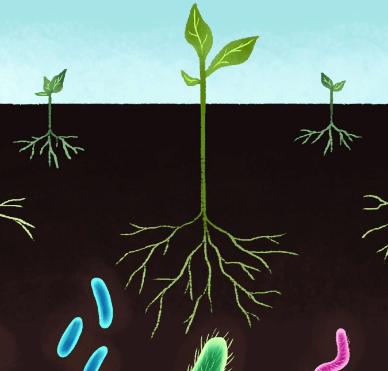
Microbes can unlock phosphorus and other micronutrients so that plants can use them … They do this by releasing specialized molecules that break the bonds between phosphorus and soil particles. To get this technology into the hands of farmers who can use it, we launched a startup company called Growcentia and started selling our first product, which is called Mammoth P.
…
Growcentia focuses on soil microbes that increase nutrient efficiency and uptake, but microbes can also enhance agriculture in many other ways. Some companies are focused on commercializing microbes that have been shown to suppress plant responses to drought, which ironically tricks them into continuing to grow through dry conditions. Other companies are developing microbial products that protect plants from disease and pests. Microbes can even influence the timing of flowering. The possibilities are endless.
…
We can examine their genes through sequencing or their function using high-throughput screening methods to find microbes with particular attributes. We also can genetically engineer microbes to produce new strains with the characteristics we want. Or we can even synthesize entirely new species from scratch.
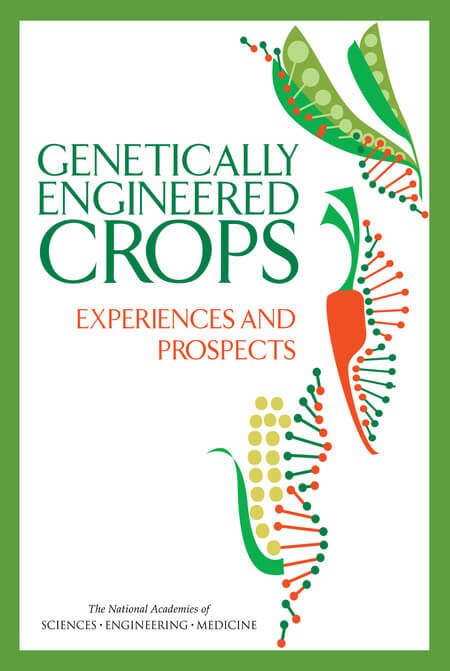
The National Academies of Science is one of the most respected scientific organizations on the planet, composed of well-established scientists and other scholars that perform important functions in vetting scientific claims and steering scientific agendas in the nation. Every several years the NAS commissions a review of the literature on genetic engineering in crop plants. Over the last several years, the NAS appointed a diverse group to perform the comprehensive evaluation.
Fred Gould, an entomologist and professor of agriculture at North Carolina State University, chaired this review group that released the comprehensive review of genetically engineered crops that came out in 2016.
On this week’s Talking Biotech, Paul Vincelli talks to Gould about the committee and some of the outcomes of the report.
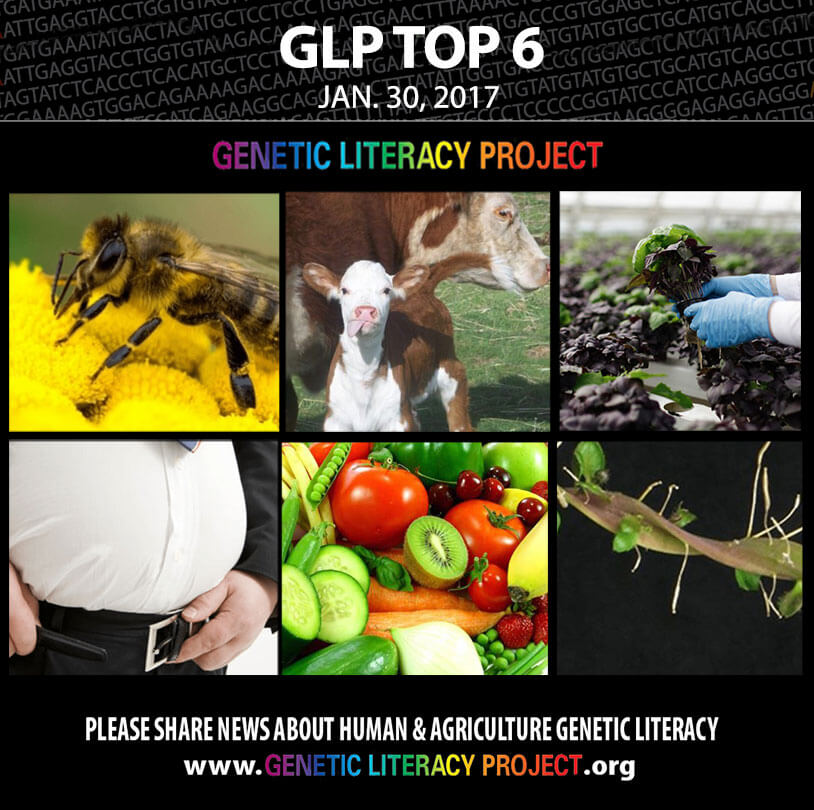
From this past week, here are the #GLPTop6 among many great stories on human and agriculture genetics around the world. Please share and help spread the news!
All this and more! Be sure to sign up for the newsletters and follow us on Social Media. We are on Facebook, Google+, Twitter, Pinterest! Please feel free to share all the news about human and agricultural genetic literacy!
The planned February rollout of the non-browning Arctic Apple brings to the forefront an important question: Can genetic engineering help reduce the burgeoning worldwide food waste problem?
Last year, UK supermarket giant Tesco revealed that apples are among the most wasted foods throughout the supply chain – around 40% of what’s produced (and even this seems conservative based on other food waste estimates). The Arctic Apple doesn’t brown when sliced, making it easier for consumers to finish their apples instead of throwing them out when they change color.
Groups opposed to genetic engineering argue that the technology would disguise signals that the apple is turning bad, resulting in consumers eating unhealthy foods. At least in the case of GM apples, that’s not accurate. Apples turn brown when exposed to oxygen and water molecules in air because of an oxidation process managed by an enzyme, polyphenol oxidase. In most cases, slightly browned apples are fine to eat, but are discarded because of their color.
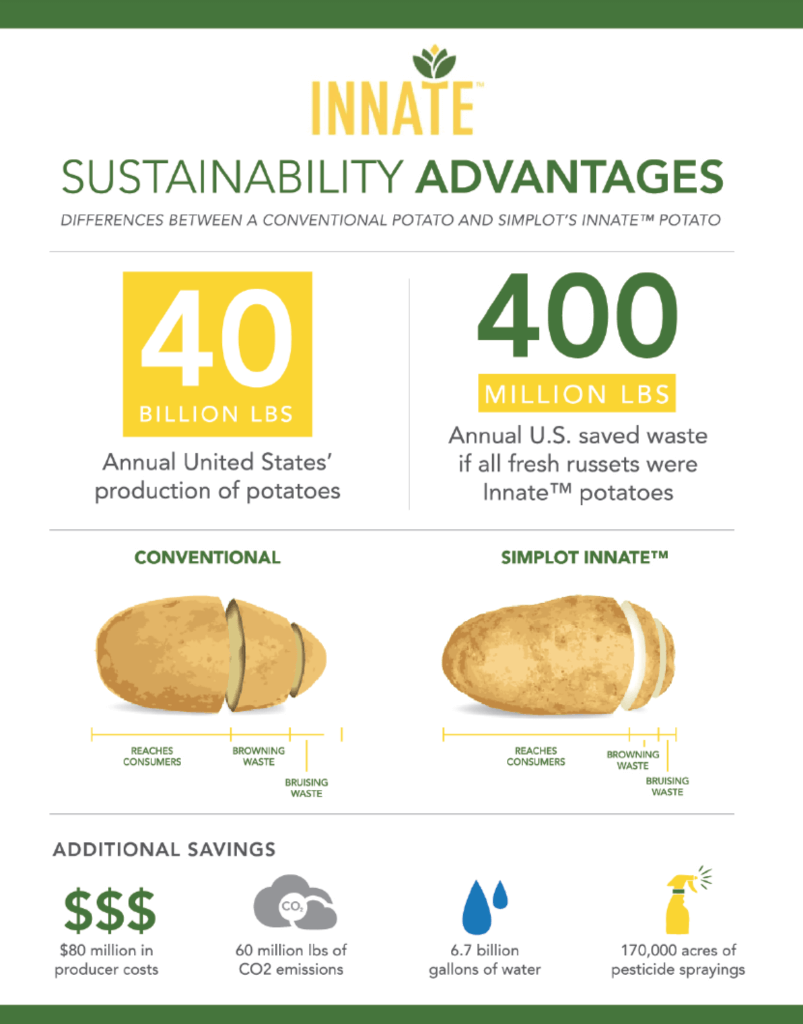
Progress is being made in other areas along the perception front. The Simplot potato, genetically engineered not to develop ugly black bruises, can potentially reduce the amount of potatoes wasted because consumers, and retailers such as McDonald’s, won’t buy potatoes that are blemished. However, anti-GMO groups have a launched a campaign trying to intimidate McDonald’s and other fast food companies from embracing this innovation, which would just perpetuate the food wastage cycle in high consumer nations.
Attacking food spoilage at the consumer level
Hate buying a packaged fresh salad for later in the week only to pull it from your refrigerator and find it soggy and spoiled? Genetics—conventional breeding and biotechnology—can help, and have a big impact on a wide range of other fruits and vegetables. Scientists have been working to delay fruit ripening to give farmers more flexibility in marketing their goods to consumers in search of garden fresh foods.
Ethylene is a natural plant hormone associated with growth, development and ripening of many plants. It’s involved in the ripening of a variety of fruits, including bananas, pineapples, tomatoes, mangoes, melons, and papayas. It’s produced in varying quantities — depending on the type of fruit — but when its concentration reaches 0.1-1.0 ppm (parts per million), the ripening process in climacteric fruits (those that continue ripening after harvest) is considered irreversible.
Climacteric fruits are usually harvested once they reach maturity and then undergo rapid ripening during transit and storage. These include banana, mango, papaya and pineapple. Non-climacteric fruits do not ripen after harvest. These include strawberries and oranges.
Scientists have identified numerous ways to control the ripening process. They are experimenting on manipulating the amount of ethylene produced by “switching off” or decreasing the production of ethylene through a variety of methods..
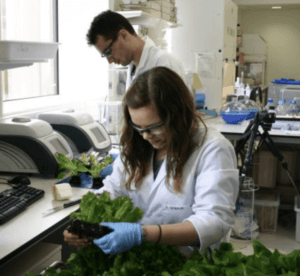
But there are other techniques too. Scientists at the University of Southampton in England managed to extend the shelf life of lettuce, helping leaves stay fresh for more than a week. They found that smaller leaves with lots of cells packed closely together remain green, crisp and firm longer. Lead researcher Gail Taylor, a professor in plant biology figured out which genes are responsible for these characteristics.
With this genetic information, Taylor’s research group is working with salad producer Vitacress to breed lettuce with small, tough leaves. The new, hardier lettuce will last in the refrigerator for up to eight days. “People will know how frustrating it is to buy a bag of prepared salad only for it to wilt and turn into a brown mush after a few days,” Taylor said. “If you don’t eat it quickly enough you end up being wasteful and throwing it away.”
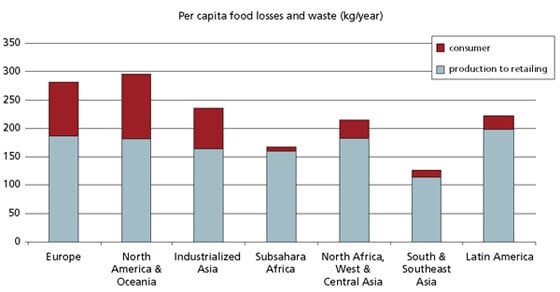
Each year, almost a third of the food produced for human consumption is lost or wasted, largely due to spoilage. Fresh produce is at the top of the list; the Food and Agriculture Organization of the United Nations (FAO) estimates that, each year, one-third of all food produced for human consumption in the world (around 1.3 billion tons) is lost or wasted. This includes 45% of all fruit and vegetables, 35% of fish and seafood, 30% of cereals, 20% of dairy products and 20% of meat.
Food waste issues in less-developed nations are more complicated, occurring almost exclusively at the farmer and producer level. Inefficient harvesting, high temperatures and lack of infrastructure in sub-Saharan and Southeast Asian regions often lead to fruits and vegetables rotting and spoiling before they ever make it to market.
Delayed ripening of fruits and vegetables is a major ongoing research effort in genetic engineering that can slow down the spoilage process:
Ripening is a normal phase in the maturation process of fruits and vegetables. Upon its onset, it only takes about a few days before the fruit or vegetable is considered inedible. This unavoidable process brings significant losses to both farmers and consumers alike.
Scientists have been working to delay fruit ripening so that farmers will have the flexibility in marketing their goods and ensure consumers of “fresh-from-the-garden” produce.
The first genetically modified crop available in stores, the Flavr Savr tomato, first sold in 1994, was engineered to retard ripening; it softened slowly and stayed fresh on supermarket shelves for long periods of time. The tomatoes were introduced in 1994, but subsequently taken off the market, diminishing scientific efforts to tackle food waste, a pressing global problem.
But that product failure did not stop researchers from moving forward. A slow-ripening version of the Malaysian papaya, known to ripen too quickly for export, is currently in development. In 2012, scientists from the University of Leicester reported a breakthrough in their research efforts to help fruits and vegetables ripen more slowly when they identified a particular gene that controls the speed of ripening.
Using thale cress, a small flowering plant, they showed that altering a particular gene could change the speed with which chloroplasts transform into other structures in plant cells, including those involved in the ripening of fruit. Manipulating the protein can change the rate at which tiny structures in plant cells develop and create the bright pigments which give ripened fruit its distinctive color, the Leicester scientists found.
“This discovery brings us one step closer to greater control over ripening so that we have greater flexibility for farmers when supplying produces in the best condition,” said Douglas Kell, Chief Executive of the Biotechnology and Biological Sciences Research Council in the United Kingdom.
Beyond its application as a slow ripening technology, fruits and vegetables could also be engineered to maintain an appetizing look. The scientists are evaluating their findings on tomatoes, bell peppers and citrus fruits.
XiaoZhi Lim is a freelance journalist and former GLP editor.
[Genetic information] is being harnessed to help both athletes and the average Joe achieve their fitness potentials.
…
[H]ealth firm DNAFit rolled out its Elevate software, which enables clients to access workouts built around their genetic coding on their smartphones and other devices.
…
As well as determining whether a person is particularly sensitive and prone to putting on weight after eating certain food groups, DNA markers can pinpoint if a person is more predisposed to training for endurance – such as cycling or running – or power – including weight lifting, high intensity resistance training and sprinting. Even details like the number of reps per exercise and recovery times are said to be lurking in our DNA.
…
However, skeptics aren’t so convinced. Focusing on 45 of the 10 million gene variants in the human body, as such tests do, gives only a small glimpse into our genetic profiles.
“If you want to know how good someone is likely to be at sport, you’ll probably get a better idea by looking at them and their body shape,” Mark Thomas, professor of evolutionary genetics at University College London….
The GLP aggregated and excerpted this blog/article to reflect the diversity of news, opinion, and analysis. Read full, original post:How your DNA can reveal the perfect workout
In 2012, Daisy the genetically engineered dairy calf made headlines around the world after researchers at AgResearch used a genetic intervention called RNA interference to target a particular cow milk protein known to be allergenic.
The team, led by Dr Goetz Laible, succeeding in proving they could knock down beta-lactoglobulin (BLG), which form large part of the allergic reactions two to three per cent of infants have to cow’s milk.
But the breakthrough posed another big question: would the same genetic trait carry on in Daisy’s offspring?
…
Milk was taken from the calves – born from eggs taken from Daisy, fertilised and placed in surrogate cows – through induced lactation.
Results showed no detectable levels of BLG – a finding the team expected would also be seen when the animals lactate naturally with breeding next spring.
“We’d wanted to demonstrate that the changes we had seen in Daisy were stable and could be transmitted to the next generation,” Laible said. “That’s really what you need, otherwise you end up with just one animal and one generation having the phenotype or characteristics that you intended.”
…
[This doesn’t] mean we [can] expect a new line of hypo-allergenic hitting supermarket shelves any time soon … There [is] much about the milk’s functionality and potential benefits – along with any safety concerns or negative consequences for processing – that still [has] to be explored.
Editor’s Note: This article written by Walter Sandow Alhassan, the director of Biotechnology and Stewardship for Sustainable Agriculture, is a response to an article from January 19 in which Food Sovereignty Ghana (FSG) called on the country’s president to rescind his nomination for minister of food and agriculture on the grounds that the nominee believes GMOs are safe.
Dr Akoto’s stand is vindicated by the overwhelming endorsement of GM safety by the global scientific community and regulatory bodies in the US (Food and Drug Authority) and the EU (European Food Safety Authority) and major religious bodies. Studies over the past 30 years on the safety of genetically engineered (same in this context as GM) foods conclude that GM foods are as safe as conventional foods. Close to 610 publications and over the past three decades attest to the safety of GM foods. No groups of foods have seen more rigorous tested for safety to humans, animals and the environment than GM foods.
…
It is true that the vast majority of US residents consume GM foods with NO REPORTED ADVERSE EFFECT ON HEALTH despite a minimum of 20 years consumption of such foods.
In the case of Ghana, after all said and done, the country has a Biosafety Act 831 of 2011 that regulates all GM crops or products under research likely to enter the food chain eventually. Ghanaians should be comfortable with the safety of GM products certified for use by the National Biosafety Authority that is in place.
…
A similar misinformation by FSG contributed to the delay in the passage of the Plant Breeders Bill that is designed to catalyse the development of new plant varieties for Ghana by protecting, through patents, investment in variety development.
An initiative launched two years ago by UC Berkeley and UC San Francisco to use CRISPR-Cas9 gene editing to develop new disease therapies is expanding into research on the planet’s major crops and poorly understood microbiomes, with plans to invest $125 million in these areas over the next five years.
[Jennifer Doudna who co-discovered CRISPR says,] “that there are many others arenas in which better gene-editing tools can promote global health, specifically by improving crops and sustaining a healthy microbial environment that has been shown to prevent illness, improve crop yields and nurture a balanced ecosystem. At UC Berkeley we have the expertise in plant science and microbiology research to make a real contribution by designing higher-yield, more pest-resistant crops that a large proportion of the world’s population depend on, and fostering the microbial populations critical to human health and the health of the planet.”
…
Brian Staskawicz, a UC Berkeley professor of plant and microbial biology, [said] … “In California alone, we grow 300 different crops, many of them improved by standard cross-breeding, which introduces all sorts of undesired traits along with the one you want. CRISPR-Cas9 allows us to introduce genes with a level of precision that we have not been able to do in the past and potentially cut four to five years off of breeding cycles.”
Researchers at the Wellcome Trust Sanger Institute have discovered ‘hotspots’ of mutations in breast cancer genomes, where mutations thought to be inactive ‘passengers’ in the genome have now been shown to possibly drive further cancerous changes….the study found 33 mutation hotspots, which act like backseat drivers for cancer development.
…
Dominik Glodzik, first author on the paper from the Wellcome Trust Sanger Institute, said: “From our research, it now looks like some of these tandem duplications are not just unimportant passenger mutations, but actually create new driver mutations for cancer.”
…
The researchers found that many of the tandem duplication hotspots were in important parts of the genome. These included genes that are known to be associated with driving breast cancer and also in special, regulatory areas of the genome known as super-enhancers that switch on multiple genes—damage in this area leads to uncontrolled activation of many genes
…
The study also looked at a small number of ovarian and pancreatic cancer genomes and found these also had hotspots of tandem duplications, but in different places than the breast cancers, due to different genes being activated in diverse tissues.
Researchers say they’ve found a genetic variant associated with opioid addiction, and it might lead to personalized treatment for the condition.
Specifically, the variant was found in black Americans affecting the gene OPRM1, which is responsible for the way opioids affect the brain. Researchers at Yale University said this may identify which blacks might require higher doses of methadone. Methadone is an effective treatment for people addicted to heroin.
Proper methadone dosing is critical. Too high a dose can cause sedation and dangerous breathing difficulties, while too low of a dose can lead to relapse, the researchers said in background notes.
…
The researchers also said they’ve found that the same gene variant can predict the morphine dose required for effective pain control for black children undergoing surgery.
“We found specific gene effects in people with African ancestry, an understudied population,” said study senior author Joel Gelernter, a professor of psychiatry, genetics and neuroscience at Yale.
The researchers didn’t find these gene effects in people of European ancestry who had methadone treatment.
Editor’s note: This article was authored by Nathan Donley is a senior scientist at the Center for Biological Diversity, a group that is critical of biotechnology.
For years Monsanto officials assured farmers that weeds would never develop resistance to the company’s flagship herbicide, glyphosate, so farmers were urged to apply it liberally year after year because “dead weeds don’t produce seeds.”
And apply it they did, with annual U.S. glyphosate use soaring to over 300 million pounds — an escalation that quickly accelerated the evolution of glyphosate-resistant superweeds that can grow an inch a day to heights of 10 feet and break farm equipment.
Now major herbicide pushers are offering a familiar-sounding “solution”: more herbicides.
In November, Dow AgroSciences got Environmental Protection Agency approval to sell Enlist Duo, a toxic combination of glyphosate and 2,4-D….Also in November the EPA fast-tracked approval of Monsanto’s XtendiMax, a supposedly less drift-prone dicamba formulation.
…
And this latest weed-control remedy — which will result in tens of millions of pounds of additional herbicides being dumped on this next generation of genetically engineered crops — is sure to be a temporary fix.
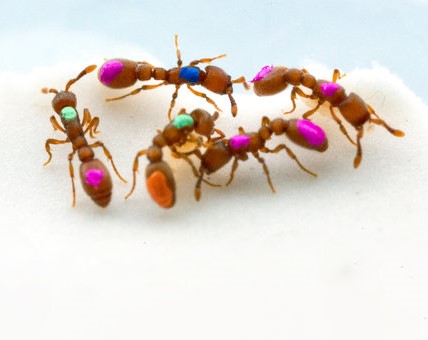
[Daniel Kronauer of Rockefeller University and his colleagues] have manipulated the DNA of Cerapachys biroi ants, creating what Dr. Kronauer says are the world’s first transgenic ants.
…
“Our ultimate goal is to have a fundamental understanding of how a complex biological system works,” Dr. Kronauer said. “I use ants as a model to do this.”
…
Dr. Kronauer’s model ants offer scientists the chance to explore, under controlled conditions, the origin and evolution of animal societies.
…
The project represents basic research at its most seductively cerebral, yet it may well reveal insights into human disease, like why cancer cells ignore all stop signals from their surroundings, or why the brain turns in on itself during depression.
“By studying the neuromodulators that make ants so sensitive to their social environment,” Dr. Kronauer said, “we could learn something fundamental about autism and depression along the way.”
…
The ants’ unusual mix of genetic uniformity and wildly protean conduct offers a powerful tool for cracking the old nature-versus-nurture conundrum, and the Kronauer researchers have been mapping out the interplay between genes and environmental cues in shaping essential behaviors like reproduction and sociality.
In the past 30 years, childhood deaths from cancer have declined by 50 percent overall, but those from pediatric brain cancer have only decreased by 30 percent.
Researchers at the Dana-Farber Cancer Institute and Boston Children’s Hospital think precision medicine…could help improve those rates.
Investigators conducted genetic testing on 203 patient tumor samples and found that 56 percent of them harbored genetic abnormalities that could either help doctors diagnose or treat the brain tumor with drugs that are already available or those being studied in clinical trials.
The findings of their study…[also suggest] that brain tumors in children and adults need to be treated differently.
…
For decades, every child with the same tumor type received the same treatment, says Pratiti Bandopadhayay, a pediatric neuro-oncologist at Dana-Farber/Boston Children’s Cancer and Blood Disorders Center. “We’re learning that when you look at these tumors under the microscope, even if they look the same, they might have different genetic drivers.”
…
[However,] Ann Kingston, director of research and scientific policy at the National Brain Tumor Society…says even people with the same genetic mutations in their tumors might not respond similarly to the same treatment.
[The study can be found here.]
It’s possible to grow organs of one species inside an animal of another species and then transplant that organ to cure disease…In this case, mouse pancreas cells were grown in rats, then transplanted into mice to reverse diabetes. The new research opens the possibility of one day creating human organs inside animals like pigs or sheep that could then be transplanted back into needy patients.
…
[Surprisingly,] the transplanted cells reversed the mice’s diabetes and kept sugar levels down for one year. The mice didn’t reject the cells, even if they were given anti-rejection medication for only five days after the transplant.
…
“There are not that many ways to generate a functional adult human organ for transplantation that can save many people’s lives,” says Qiao Zhou, an associate professor of stem cell and regenerative biology at the Harvard Stem Cell Institute. “This is one I think actually I can see work in the future.”
…
And then there are the ethical issues…[I]f human stem cells are injected into animal embryos, some of these cells will also go into organs like the brain. What are the ethical implications of having pigs with part human brains?
In a bungled attempt to anticipate the wishes of their new political bosses, the U.S. Agricultural Research Service (ARS) on Monday imposed what was widely interpreted as a gag order on its scientists communicating with the public. But a senior ARS official tells ScienceInsider that it was a poorly worded effort by career officials—not anyone appointed by Trump—to remind employees of a longstanding U.S. Department of Agriculture (USDA) policy on clearing statements that have policy relevance with senior officials before releasing them.
Christopher Bentley, ARS’s communications chief in Beltsville, Maryland, blames himself for the wording in a two-sentence staff memo…
“If I had to do it over again, I wouldn’t have said ‘public-facing’ documents,” Bentley says. “We never intended it to include scientific information and other documents that have gone through peer review.”
“I thought the definition of public-facing was clear,” he says, referring to press releases, social media content, and photographs. “But it means something different to the scientific community.”
This week’s features include transgenerational inheritance in plants and an ever-expanding list of epigenetic changes.
“The field of epigenetics may have been literally scratching the surface. Altering the shape of the nucleosome, a fundamental building block of the chromosome, could in principle have large effects on processes ranging from genome organization to epigenetic inheritance.”
–Geeta J. Narlikar, professor at University of California-San Francisco
Transgenerational inheritance in plants
Polygonum persicaria
The idea that epigenetic changes acquired during an organism’s life can be passed on to their offspring is one of the most controversial ideas in science. It has been fiercely debated ever since the famous ‘rat licking’ study, which found rats that were licked as pups (a sign of maternal care) deal with stress later in life better. The licked rats showed epigenetic changes on genes associated with stress tolerance, and most surprisingly those changes appeared in their descendants regardless of maternal care (the University of Utah has an excellent interactive to explain the experiments).
If epigenetic changes are heritable in humans, there are profound implications for our health and evolution, but there remains fierce debate about that. In plants, there is more evidence (and acceptance) of the idea, and a study released in January 2017 adds to the data. Researchers at Wesleyan University found that when they grew a small flowering annual Polygonum persicaria in dry soil, their offspring were hardier in drought conditions. The changes appear to be driven by heritable DNA methylation since plants without the additional methylation lacked the hardiness phenotype. It could have important implications for agriculture as many areas struggle with droughts. The Scientist has a good breakdown of the results and study.
Epigenetic reprogramming kicks off metastasis in pancreatic cancer
Tumors have an initial point of growth or, to say it more accessibly, lung cancer starts in the lungs, brain cancer starts in the brain, etc. But cancer can spread or metastasize to other organs and the consequences can be deadly. According to Dr. Oliver McDonald of the Vanderbilt University School of Medicine, distant metastasis accounts for 80 percent of pancreatic cancer deaths. However, scientists are not entirely sure why or how a tumor begins to spread.
McDonald has found that intensive DNA and genomic analyses have failed to uncover a genetic driver of metastasis. This led McDonald and a team of researchers from Vanderbilt, John’s Hopkins University School of Medicine and Memorial Sloan-Kettering Cancer to begin looking at epigenetic changes in pancreatic tumor cells for a ‘metastasis on-switch.’ Their results were published in Nature Genetics. They found that a number of genes were demethylated in cancer cells which means their activity was increased. Senior author Dr. Andrew Feinberg of Johns Hopkins told STAT:
We found there were large regions of the genome in the tumors that had lost the DNA methylation capability and also had lost what we call heterochromatin, the marks that make the genome squish together. They became sort of unlocked and available for genes to become active.
Feinberg also told STAT that, at least in the lab, they were able to block or reverse metastasis by inhibiting the epigenetic changes, which may provide a new course of treatment.
The ‘shape-shifting’ list of epigenetic changes
You can find numerous examples of people online who think they have epigenetics ‘all figured out.’ From clinics and services that claim ‘unlocking your epigenetics can improve your health’ to promoters of alternative health facts that claim meditatation cures cancer. But the reality is that there is still a lot to learn about the field before epigenetics can have a significant impact on our livelihood.
Two studies released in January are good examples of this. The first, published in Science on January 17 by researchers at the University of California, San Francisco, found that nucleosomes can actively change their shape. The nucleosome is the basic unit of DNA packaging, consisting of a DNA strand wound tightly around eight histone proteins. It looks similar to a thread wound around a spool or ‘beads on a string’. A DNA sequence tightly packed away on a nucleosome is generally inactive. A lot of what we know about epigenetics revolves around our understanding of nucleosomes as a way to pack away DNA that isn’t currently needed by a cell. You can see in the picture below and to the right how inaccessible DNA in a nucleosome is.
The classic view of these structures held that the histones must either break apart or slide out of the way for cellular machinery to express a gene. However, what these researchers witnessed was that the nucleosome’s shape and orientation changed in response to its environment in a way that allowed for genes tucked away in the nucleosome to be exposed to cell machinery. Senior author Geeta J. Narlikar said of the results:
“All of these ideas are speculative at this point. But we wouldn’t have had the conceptual framework to think of any of these hypotheses until there was reason to think of the nucleosome as dynamic rather than rigid. The number of questions this opens up is incredibly exciting.”
The packing of DNA
In the second study, published in the Journal of Allergy and Clinical Immunology, researchers at Uppsala University discovered an epigenetic role for the enzyme tryptase. When cells lack the enzyme, they proliferate uncontrollably, but when it is present, the enzyme cleaves histones which protects them from certain epigenetic changes. The overall effect appears to help cells maintain their ‘current identity’ (i.e. a skin cell stays as a skin cell) and the process also appears to be important in allergic responses. So drugs targeting this enzyme could help people with severe allergies.
The take-home message here from both studies is that there is still a lot to be learned about this very new field. Most epigenetic drugs in development target either histone modifications or DNA methylation but if epigenetics is more complicated than this it may mean some of these drugs won’t be effective or it may open up new avenues for drugs.
This weekly roundup of the latest studies and news in the field of epigenetics originated on our GLP sister site, the Epigenetics Literacy Project
Nicholas Staropoli is the director of the Epigenetics Literacy Project. He has an M.A. in biology from DePaul University and a B.S. in biomedical sciences from Marist College. Follow him on Twitter @NickfrmBoston.
The government has launched a genetically modified organism labelling mark that will be attached to food products on sale. Willy Tonui, National Biosafety Authority chief executive officer, said the mark will be used on all approved GMOs in Kenya. This is despite the 2012 cabinet ban on such products and the fact that no GMO crop has been commercialised in Kenya yet.
Tonui said the mark is in readiness for future commercialisation of GMO crops and if or when the ban on imports will be lifted.
“The labelling mark seeks to ensure that consumers are made aware that the food, feed or product is genetically modified so that they can make informed choices,” Tonui explained.
“It also facilitates traceability of GM products in Kenya,” he said.
Wanjiru Kamau of the Kenya Biodiversity Coalition said she is jittery about the launch of the GMO labelling mark.
She said that this was suspect since it comes barely few days after the government announced that it is negotiating with Mexico to import maize due to the ongoing drought.
“We still have farmers in Kenya who have maize that the government can buy before using resources to import the food crop,” Kamau said.
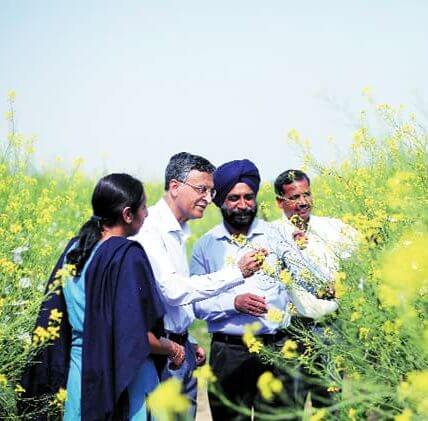
India’s long-standing push to approve genetically modified (GM) food crops has been controversially delayed, after an environmental campaigner launched a lawsuit that accuses scientists of deceiving the public about the benefits of transgenic mustard.
…
[O]n 7 October, India’s Supreme Court agreed to hear a case brought by Aruna Rodrigues, an anti-GM campaigner who wants a moratorium on the crop’s approval until it undergoes an independent evaluation … Rodrigues says that both Pental and India’s regulatory authorities have exaggerated the benefits of transgenic mustard, and that non-GM mustard could be just as high-yielding. Tests overseen by the environment ministry’s Genetic Engineering Appraisal Committee (GEAC) didn’t pit the new crop against its best possible competitors, she says. She accuses Pental and the authorities of deliberate deception.
Deepak Pental, a plant geneticist at the University of Delhi who has led research into the crop, dismisses these criticisms. The trials were designed to test health and safety, he says, not to stringently compare yields against all competitors. It’s possible, he says, that non-GM varieties might produce higher yields than his first GM generation—but this hasn’t been tested.
…
No one knows when the Supreme Court will decide on Rodrigues’s complaints, says Kabir Dixit, a lawyer in Delhi—but India’s government has already agreed that it needs the court’s permission before it can approve the mustard’s commercial release.
The [American chestnut tree]…fell victim to a [Cryphonectria parasitica fungus] disease introduced by a foreign chestnut species in the early 20th century….
“The specific gene that’s being inserted into [the] chestnut comes out of wheat, so every single person on earth that poured a bowl of cold cereal this morning ate that same gene,” says [Brian McCarthy, a forest ecologist at Ohio University].
The release of genetically modified trees into the forest could have some unforeseen long-term impacts, says Chad Oliver, an environmentalist at Yale University….For American chestnut, however, the risk is very small, he says…
“Trees have a very good habit of [co-existing] — some in shades, and some in sunlight,” says Oliver. “The [American chestnut] is not going to become a super tree that kills everything else out.”
Research geneticist Dana Nelson of the USDA Forest Service also objects to the genetic approach — but on an evolutionary basis…. “[T]hat population you produce doesn’t have the genetic diversity to adapt to the variable environment and climate,” [Nelson says.]
[William Powell, an biotechnologist at the State University of New York College of Environmental Science & Forestry] acknowledges this drawback. To solve the problem, he plans to cross his GMO trees with surviving American chestnut trees.














 You can find numerous examples of people online who think they have epigenetics ‘all figured out.’ From