FDA releases guidelines to fast-track new generation of fast-acting antidepressants

esketamine png

As companies race to develop fast-acting antidepressants, they are grappling with how to design clinical trials for a type of drug that doesnโ€™t yet exist.

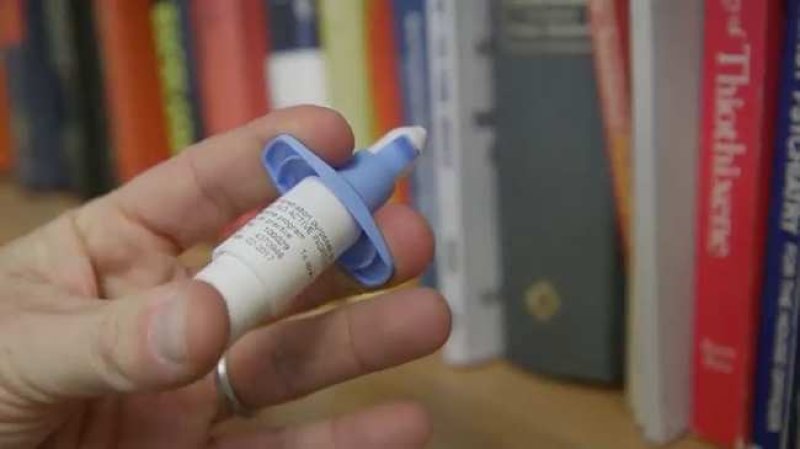
Thereโ€™s no shortage of interest in the idea: Janssen (JNJ) is testing an esketamine nasal spray, which, when combined with an oral antidepressant, has shown promise in quickly curbing symptoms of serious depression.

โ€ฆ

Late last month, the FDA stepped in to offer some help. The agencyย released a draft guidanceย on developing new treatments for major depressive disorder that lays out the special considerations for clinical trials on rapid-acting antidepressants.

โ€ฆ

Current trial designs assume itโ€™ll take four to eight weeks for a drug to kick in. But fast-acting antidepressants should, in theory, start working much sooner.

[T]he FDA said drug makers need to show that the drugs work within a week. And in the case of drugs that seem to work particularly quickly, an appropriate endpoint might be just hours after the first dose.

โ€ฆ

Thereโ€™s also a question of determining the right dose โ€” or doses. The FDA said itโ€™s particularly interested in studies that test whether a lower dose of the drug than whatโ€™s needed for short-term efficacy can maintain the treatment response in the long run.

The new guidance offers drug companies insight into how the agency is thinking about this potentially new class of drugs.

Read full, original post:ย Companies are racing to develop fast-acting depression drugs โ€” but the process is tricky

{{ reviewsTotal }}{{ options.labels.singularReviewCountLabel }}
{{ reviewsTotal }}{{ options.labels.pluralReviewCountLabel }}
{{ options.labels.newReviewButton }}
{{ userData.canReview.message }}

Related Articles

Infographic: Global regulatory and health research agencies on whether glyphosate causes cancer

Infographic: Global regulatory and health research agencies on whether glyphosate causes cancer

Does glyphosateโ€”the world's most heavily-used herbicideโ€”pose serious harm to humans? Is it carcinogenic? Those issues are of both legal and ...

Most Popular

Screenshot 2026-05-26 at 10.15
Viewpoint: Double standardโ€”Why does the wellness industry get a free pass while Big Healthcare is treated as morally suspect?
ChatGPT-Image-Jun-4-2026-01_27_58-PM
Viewpointโ€”N.A.D.+: Why Gwenyth Paltrowโ€™s heralded anti-aging supplement doesnโ€™t work
ChatGPT-Image-Mar-10-2026-01_39_01-PM
Viewpointโ€”โ€œMiracle moleculeโ€ debunked: Why acemannan supplements donโ€™t work
ChatGPT-Image-Jun-4-2026-11_49_36-AM-2
โ€˜You donโ€™t understand Tolkienโ€™: Skeptic Pope trolls tech giants about the exaggerated, risk-less benefits of AI
Screenshot 2025-07-30 at 10.48
Can gene editing eliminate Down syndrome? Scientists have done it in lab-grown cells
Screenshot-2026-06-03-at-1.24.46-PM
Challenging anti-GMO disinformation: Why genetically-tweaked crops offer bushels of benefits
downsyndrome_compilation_MID_1
CRISPR breakthrough that can remove the chromosome responsible for Down syndrome raises ethical questions
tick-DNA
GLP podcast: Spread meat allergy with gene-edited ticks? Bioethicists pose vile โ€˜thought experimentโ€™
Screenshot-2026-06-04-at-12.05.08-PM
Cases of brain inflammation surge as U.S. measles pandemic approaches 2000
ChatGPT Image May 26, 2026, 08_42_17 AM (1)
Viewpoint: Greenpeace and poison: How environmental advocacy groups rely on compliant (and often ignorant) journalists to spread disinformation and spark litigation
ChatGPT-Image-May-26-2026-07_51_21-AM-2
Viewpoint: There are more than 1,000 chemicals in a cup of coffeeโ€”including many substances that can cause cancer. Why isnโ€™t it banned?

Sorry. No data so far.

glp menu logo outlined

Get news on human & agricultural genetics and biotechnology delivered to your inbox.