On average, men and women differ psychologically in small but reliable ways, such as in personality, interests, and cognitive performance, but the basis of these differences is up for debate. Are they innate or due to how we’re socialised? Neuroscientists look for traction on this question by studying sex differences in the brain.
…
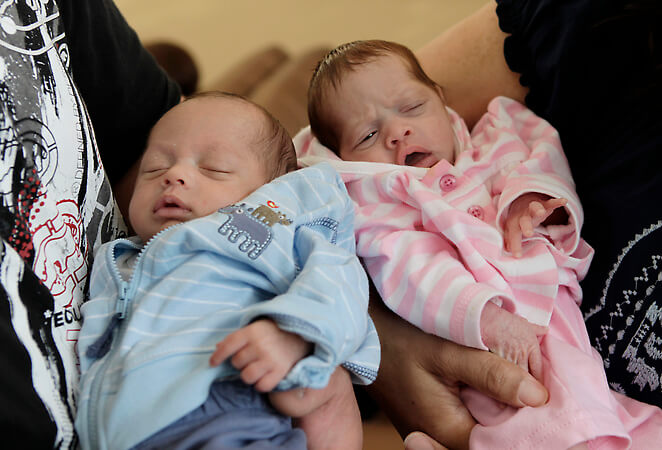
The University of Wisconsin-Madison team led by Douglas Dean III recruited 149 expectant mothers who brought in their infants – 77 girls and 72 boys – for brain scanning one month after giving birth.
…
[T]he boys’ brains were 8.3 per cent bigger, in line with the sex difference in brain volume found in adults and the few other available infant studies. Also as seen in adults, male brains had relatively more white matter (connecting tissue) and female brains more grey matter, relative to total brain size. A number of specific neural areas were larger in males, also relative to total brain volume, such as parts of the limbic system involved in emotions.
…
There were a lot of brain areas that differed structurally between the sexes, but it would be irresponsible to draw any firm conclusions about what they might mean for function and behaviour.
…
The reason the new research is helpful is because it informs the interpretation of more focused studies that uncover psychological differences between the sexes.
In genome-editing, the challenge for CRISPR-wielding scientists is to edit only one of the two copies, or alleles, of every gene that people have, repairing the ever-so-slightly broken one and leaving the healthy one alone.
Now, in one of the first research papers scheduled for publication in the first journal dedicated to research on CRISPR, scientists in Boston report “allele specific” editing of a gene that, when mutated, destroys the eye’s photoreceptors and causes the form of blindness called retinitis pigmentosa.
The achievement might one day help people with retinitis pigmentosa, which affects about 100,000 people in the U.S. But its greater significance is as a proof-of-concept. The hope is that the same trick might work in the hundreds of diseases, including Huntington’s disease and Marfan syndrome, where inheriting a single mutated gene (from mom or dad) is enough to cause problems despite the presence of a healthy copy, too.
…
As always with CRISPR, there is a danger of editing unintended regions of DNA. The scientists checked potential “off target” sites; nine were fine, and one was inadvertently edited in 3 percent of treated cells, though with no apparent ill effects.
…
The mouse study raises hopes that allele-specific editing might work not only for the mutation in retinitis pigmentosa but also “for most, if not all, human dominant alleles,” the scientists wrote.
Agriculturalists in Burkina Faso say their country is still open to using the tools of biotechnology, despite the decision to stop growing genetically modified cotton.
A controversy erupted over the low quality of fiber produced by GMO (Bt) cotton, prompting a withdrawal of the seeds in 2015 after they had been in use for eight years. Some 70 percent of the nation’s farmers were successfully growing Bt cotton, so the decision to halt cultivation caused an uproar. Though farmers say they are now suffering significant crop loss, despite using more pesticides, the cotton traders who control production continue to insist that farmers plant non-GMO varieties only.
But work is still ongoing to develop other GMO products in Burkina Faso, including Bt cowpea and genetically engineered sterile mosquitoes. […] The Bt cowpea, which infers natural resistance [to the pod borer pest] without the application of pesticides, is expected to help reduce the level of destruction drastically.
…
“We are also doing some work on mosquitoes… to control the mosquito population to fight against the malaria. Also we have already issued permits for male sterile mosquitoes… We have issued permits for confined lab [trials]… now we are going to do controlled release,” [said Umar Traore of the National Biosafety Agency in Burkina Faso].
After decades of effort, scientists have finally managed to derive embryonic stem (ES) cells from cows and keep them in their primitive state in a dish. Access to these versatile cells, which can become all kinds of tissues, from skin to muscle to bone, could make it easier to tweak and preserve useful genetic traits of beef and dairy breeds. That in turn could lead to animals that produce more milk or more tender meat, face fewer complications in giving birth, or have greater resistance to diseases. The discovery might also open up new ways to study the cow’s basic development and to model human diseases.
“I thought I would never see this happen in my lifetime,” says Jose Cibelli, a developmental biologist at Michigan State University….
…
Even without any genetic engineering—a technology that consumers might be reluctant to see applied to their steaks and milkshakes—ES cells could make it easier for cattle breeders to select for superior animals. They could test ES cells from different embryos for the presence of genetic advantages, like genes associated with more milk production. Once they identified a set of traits they like, Cibelli says, they could create unlimited clones from those cells.
In a genetic study of unprecedented size, scientists have searched for inherited causes of insomnia in the DNA [of] 1,310,010 people. They found 956 different genes linked to the sleep disorder.
…
The project involved crunching genetic and medical information collected from the UK Biobank and the consumer DNA testing company 23andMe. It was led by Danielle Posthuma, a neuroscientist specializing in statistical genetics at Vrije University, in Amsterdam.
Termed a “genome-wide association,” this type of study involves comparing the DNA of people with and without a disease. Doing so can unveil which DNA differences are responsible for it.
…
In a preview of their findings posted online, the researchers said the genetic causes they located bore some similarity to those implicated in depression and anxiety. While some insomniacs say they at least have more time to get things done, the scientists found the condition tied to a lesser chance of progressing in school and correlated to shorter life span as well.
…
[T]he genes the team tied to the condition still explain less than 10 percent of the overall chance that a person has it. Posthuma called that outcome “a little bit disappointing” given the immense scope of the gene hunt. That can mean only one thing. Even bigger studies lied ahead.
Editor’s note: Davide Bulgarelli is a principal investigator at the University of Dundee in the UK. His research aims at understanding the structure, function, and host control of the microbiome thriving at the root-soil interface.
A better understanding of the molecular dialog between plants and their microbiota could revolutionize agriculture.
…
The interface between plant roots and soil—a zone called the rhizosphere—and the root itself are sites of colonization for microbes capable of enhancing mineral uptake by the plant, of both actively synthesizing and modulating the plant’s synthesis of chemical compounds called phytohormones that modulate plant growth and development, and of protecting plants from soil-derived pests and pathogens. For these reasons, scientists are looking to manipulate the microbes populating this belowground habitat to sustainably increase crop production.
…
Characterizing the plant microbiome and its function could be applied in an agricultural setting, better equipping our crops to grow in resource-poor environments and to fight off dangerous pathogens. Indeed, the private sector has begun to invest in this approach. One strategy many companies are pursuing is a form of plant probiotic, which consists of preparations of beneficial microbes to be mixed with seeds at sowing and again once the seedlings germinate. Another approach is to use plant breeding to select for varieties that have enhanced symbiosis with the microbiota.
Scientists have decoded the genome of the axolotl, the Mexican amphibian with a Mona Lisa smile. It has 32 billion base pairs, which makes it ten times the size of the human genome, and the largest genome ever sequenced.
The axolotl, endangered in the wild, has been bred in laboratories and studied for more than 150 years. It has the remarkable capacity to regrow amputated limbs complete with bones, muscles and nerves; to heal wounds without producing scar tissue; and even to regenerate damaged internal organs.
This salamander can heal a crushed spinal cord and have it function just like it did before it was damaged. This ability, which exists to such an extent in no other animal, makes its genes of considerable interest.
…
“We want to understand the huge changes in the RNA and proteins that the cells produce to change from an adult cell to a stem cell,” Dr. [Elly] Tanaka said. “How does an injury cause such a huge change? We can’t understand that without knowing how different parts of the genome are used to change how cells behave.”
The researchers have identified some of the genes involved in regeneration, and some genes that exist only in the axolotl, but there is much work still to be done.
Editor’s note: The following is part of a Q&A interview with Vittorio Sebastiano, a research professor of reproductive biology at Stanford University.
What impact will your work have on aging research?
I’m studying whether we can separate the process of functional reprogramming of cells from the process of aging reprogramming of cells. Typically these two processes happen at the same time. My hypothesis is that we can induce cellular rejuvenation without changing the function of the cells. If we can manage to do this, we could start thinking about a way to stall aging.
…
Why are you interested in separating aging reprogramming from functional reprogramming?
[I]f we could separate the two types of reprogramming and achieve only reprogramming of age without touching the function of a cell, then in principle we could apply reprogramming in vivo to every single cell in the body and rejuvenate them. This could be a paradigm shift in the way we approach aging.
…
Do the ethics of age reversal concern you?
Yes, the ambition is huge, the potential applications could be dramatic, but that doesn’t mean that we are going to become immortal in some problematic way. After all, one way or the other, we have to die. We will just understand aging in a better way, and develop better drugs, and keep people happier and healthier for a few more years.
DuPont Pioneer’s soybean oil Plenish has been approved for the EU and, despite having to label on pack it as genetically modified, European manufacturers have already shown interest, says US trade group Qualisoy.
DuPont’s Pioneer-branded soybean oil, Plenish has been genetically modified to have a healthier nutritional profile and longer fry life than conventional soybean oil.
Developed in 2012 and launched on the US market around one year later, Plenish was approved for the EU by risk assessors and the Commission just over a month ago (December 2017). This means that the stacked traits found in the high oleic soybeans can be used in food and feed.
Plenish has 20% less saturated fat than typical soybean oil and 75% less than palm oil. DuPont also says it has an oleic content of more than 75%, which is similar to olive oil, and a linolenic content of less than 3%, which means it has greater oil stability and a longer fry life. Commodity soy oil has around 7%. An additional benet for food service operators is a reduced build-up of polymers on equipment, according to the supplier.
The United Soybean Board said the EU regulatory approval was “a monumental decision” which, combined with China’s authorization for imports of Monsanto’s Vistive Gold high oleic soybeans, will “increase the reliability of supply of high oleic soy for the food industry”.
IFOAM (International Federation of Organic Agricultural Movements) has published a position paper on the new genetic engineering techniques. The aim is provide clarity on what techniques are compatible with organic systems. This comes at a crucial time when these new breeding techniques (NBTs) are under consideration by EU lawmakers as to whether they should be treated in the same way as GMOs.
NBTs, such as CRISPR, are developed by scientists to ‘edit’ the genome of a plant. It therefore differs from older systems of genetic engineering which inserted new, foreign genes.
…
The IFOAM paper states that “New genetic engineering technologies …are not compatible with organic farming and must not be used in organic breeding or organic production.” It goes on to list the specific techniques, and calls for “clear legal definitions to be in place which are regularly updated”.
The paper also states “Products obtained through genetic engineering processes should not be released into the environment.”
…
IFOAM asks for the ‘Polluter Pays’ principle to be maintained. This means “On-going costs and harms to organic and non-GMO supply chains from contamination by these new techniques … should be borne by the developers and/or the company that puts the product on the market.”
New research has identified the brain systems involved in language learning and discovered that these systems pre-date the human species. The findings add to the mystery of how language evolved.
The study used past research on language acquisition in children and second language learning in adults to study language origins in the brain.
…
The results, published…in PNAS, revealed that when children learn a first language and adults learn a second language, they use brain circuitry that existed before humans evolved. More specifically, language acquisition for these groups used the declarative system and the procedural memory system.
In the study, children learned to use grammar with their procedural memory system. We use this system when we learn other new skills, such as riding a bike or learning a musical instrument, a statement on the study explained. Adults navigating the unfamiliar grammar rules of a second language tap into the declarative memory system, which helps us memorize shopping lists or recall what we did the day before yesterday.
Stumbling on these two neurologic circuits in a language study surprised the researchers because both existed before human language did.
…
[T]hey could inform future research on the treatment of certain language problems, perhaps even suggesting new medicinal routes for communication issues associated with autism or dyslexia.
Editor’s note: This is the third in a four-part series examining genetic engineering’s impact on our lives. The final segment looks at synthetic biology and other novel applications. The first explored the potential for CRISPR and gene editing to change the food we eat. The second examined regulatory obstacles blunting the potential of genetically engineered animals.
Genetic engineering is most often linked to the foods that we eat and crops that we grow. It’s a technology that has generated a great deal of controversy, with opponents claiming it is inherently dangerous to human health and the environment. There is however no scientific evidence to validate those concerns.
GE foods have been exhaustively tested and researched with more than 2,000 studies vouching for their safety. All the major National Academy of Sciences in the world have concluded that they are no more dangerous than conventionally and organically grown crops. Not one incident of harm or allergic reaction has been traced to the consumption of GE foods.
What’s not widely known is that genetic engineering plays a critical role in the development and production of drugs that improve the quality of life for people with chronic diseases. For instance, virtually all of the insulin produced for diabetics is made through a process that involves genetic engineering. Treatments for infertility, hemophilia, blood clotting and dwarfism also depend heavily on genetic engineering as does immunotherapy for developing treatments for cancer.
An article in the New Republic entitled, “GMOs Could Save Your Life – They Might Have Already,” highlighted the importance of genetic engineering in the manufacturing of essential medicines:
Consumers are used to hearing about GMOs in food crops, but may be unaware of the vital role GMOs play in medicine. Most modern biomedical advances, especially the vaccines used to eradicate disease and protect against pandemics…rely on the same molecular biology tools that are used to create genetically modified organisms…Consumers who scrupulously avoid genetically modified foods might be surprised to know that lots of drugs and vaccines they rely on are the product of GMOs… In 2014, 10 of the top 25 best-selling drugs were biologics – drugs made up of recombinantly produced proteins – including blockbuster treatments for arthritis, cancer and diabetes. Of the 10 vaccines that the Center for Disease Control and Prevention recommends for newborns, three are available in recombinant form.
Early insulin production.
One of the most promising uses of GE in medicine is in the development of vaccines. The Human Papilloma Virus vaccine was developed through a process involving genetic engineering. It gives protection against the various cancers — cervical, anal, throat and vaginal — that are caused by the virus. In December 2015, the FDA approved the first flu vaccine created with genetically modified materials.
Work is being conducted on developing a GM malaria vaccine and a GM Hepatitis B oral vaccine. During the 2014 Ebola outbreak in West Africa, a vaccine was developed by genetically modifying the tobacco plant and in June 2016, a GM vaccine was approved for human trials against the Zika virus. A genetically engineered AIDs vaccine began trials in southern Africa on November 30, 2017 which will last until 2021.
GE medical research my offer dramatic advances in cancer therapy. Last July, the FDA unanimously recommended the first such treatment for cancer patients. The FDA recommended approval of a treatment developed by Novartis that “genetically alters a patient’s own cells to fight cancer, transforming them into what scientists call a living drug that powerfully bolsters the immune system to shut down the disease.” The treatment is for a type of Leukemia.
In October, the FDA approved a second gene-editing treatment for cancer. It was for adults with an aggressive form of non-Hodgkin lymphoma (blood cancer). In the trials for the treatment which was developed by Kite Pharmaceutical, 54 percent of those participating had complete remission and 28 percent had partial remissions. Gene therapy is advancing dramatically, noted Denise Grady of the New York Times:
Companies and universities are racing to develop these new therapies, which re-engineer and turbocharge millions of a patient’s own immune cells, turning them into cancer killers that researchers call a living drug. This has been utterly transformative in blood cancers, said Dr. Stephen Grupp, director of cancer immunotherapy at the Children’s Hospital of Philadelphia.
In December, the FDA approved the first gene therapy treatment for an inherited disease. It was developed by Spark Therapeutics and is designed to treat a rare inherited condition that causes a progressive form of blindness starting in childhood. In a study involving 29 patients ranging in age from 4 to 44, the treatment was demonstrated to be safe and effective with more than 90 percent of those participating showing at least some signs of improvement.
Albert Maguire, a professor of ophthalmology who led the study, which was conducted at the University of Pennsylvania, said many of the participants in the study went “from being legally blind to not being legally blind…What I saw in the clinic was remarkable.”
There were no side effects associated with the treatment, which involves injecting particles of a copy of a normally functioning gene into the back of each eye.
In a pioneering experiment, scientists at the Oregon Health and Science University in collaboration with colleagues in California, China and Korea were the first to edit the genes of human embryos, a process that could one day help prevent parents from passing along inherited diseases to their children. The experiment involved repairing dozens of embryos, fixing a mutation which causes a heart condition that could lead to death later in life.
Such treatments were given a vote of confidence last year, when the National Academy of Sciences indicated that altering the genes of embryos might be allowed under strict criteria if the objective is to prevent serious diseases. According to the Times’ Pam Belluck:
The research marks a major milestone and, while a long way from clinical use, it raises prospect that gene editing may one day protect babies from a variety of hereditary conditions… Potentially, it could apply to any of more than 10,000 conditions caused by specific inherited mutations. Researchers and experts said those might include breast and ovarian cancer linked to BRCA mutations, as well as diseases like Huntington’s, Tay Sachs, beta thalassemia and even sickle cell anemia, cystic fibrosis or some cases of early-onset Alzheimer’s.
Commenting on the experiment, Dr. Eric Topol, the Director of the Scripps Translational Science Institute in La Jolla, California, noted that gene editing of embryos was “an unstoppable, inevitable science, and this is more proof it can be done.”
A pig embryo at four weeks, which had been injected with human stem cells.
A pig embryo at four weeks, which had been injected with human stem cells.
Some research regarding GE appears to border in the realm of science fiction. But if successful, it will have a great impact on treating diseases and expanding life expectancy. On August 10, 2017, for example, the journal Nature reported the results of an experiment in which researchers at Harvard and eGenesis, a private company, created gene-edited piglets that did not contain viruses that might cause diseases in humans. This might make it possible one day to transplant livers, hearts and other organs from pigs into humans.
David Klassen, chief medical officer at the United Network for Organ Sharing, a private, nonprofit organization that manages the nation’s transplant system, said if pig organs were shown to be safe and effective, “they could be a real game changer.”
Other novel experiments being conducted and uses of gene editing include:
Biotechnology company Editas Medicine is using CRISPR technology to develop treatments for a rare, inherited retinal degenerative disease that appears in childhood and results in blindness.
Genetically engineered T-Cells may be used to develop new treatments for HIV and autoimmune diseases such as arthritis and multiple sclerosis.
Researchers at Stanford University have used genetically engineered yeast to produce opioids for pain relief.
Synthetic Biologists at the Imperial College of London have genetically engineered yeast cells to produce penicillin. In laboratory experiments, they were able to demonstrate the GE yeast had antibacterial properties against streptococcus bacteria. Dr. Tom Ellis of the Center for Synthetic Biology at Imperial College said:
The rise of drug-resistant superbugs has brought a real urgency to our search for new antibiotics. Our experiment show that yeast can be engineered to produce a well-known antibiotic. This opens up the possibility of using yeast to…develop a new generation of antibiotics and anti-inflammatories.
Scientists are working on putting vaccines in crops via genetic engineering. This would save the cost of transporting and refrigerating vaccines in developing countries.
Scientists at UC Davis are working on goats that produce milk protective against juvenile diarrhea, a major killer of infants in developing countries.
As New Scientist has noted, the potential benefits from gene editing are immeasurable:
Promising results from animal studies targeting the liver, muscles and the brain suggest CRISPR genome-editing method could revolutionize medicine, allowing us to treat or even cure a huge range of disorders.
Steven E. Cerier is a freelance international economist and a frequent contributor to the Genetic Literacy Project.
Editor’s note: Mary Mangan, Ph.D., received her education in microbiology, immunology, plant cell biology, and mammalian cell, developmental, and molecular biology
Besides celebrities, another group that has big megaphones are companies with marketing budgets. Just recently Stonyfield created a campaign with atrocious misinformation spewed by cute children.
[Editor’s note: Read the GLP’s coverage of the Stonyfield video fiasco here]
…
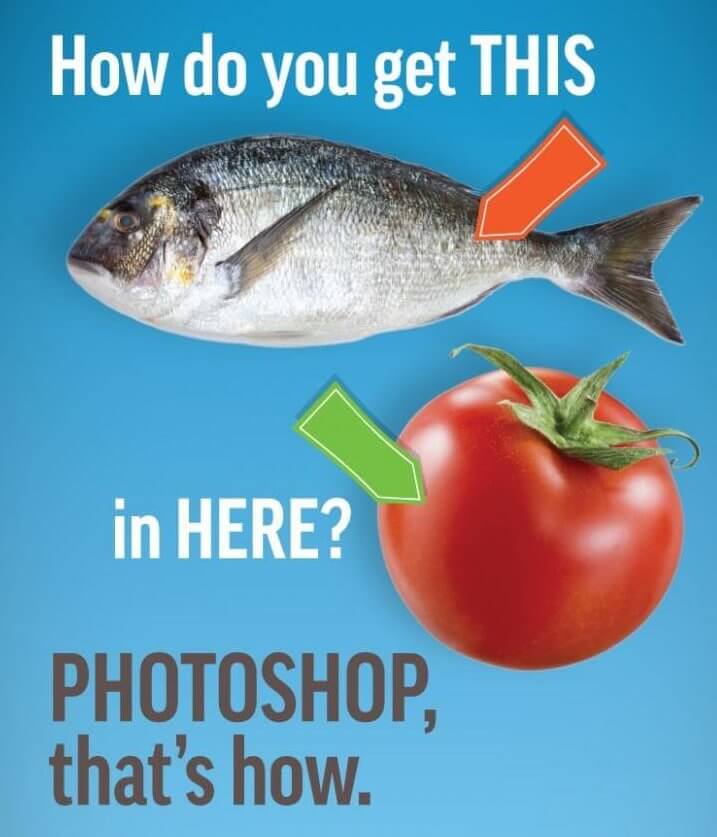
[A]s wrong and stupid as that was, what really bothers me about Stonyfield’s nonsense is the downstream consequences of their false claims. The fish-mato particularly triggered me. I was recalling a story by Joe Schwarcz about a guy who came to one of his events: “There are No Fish Genes in Tomatoes”:
“If genetically modified foods were properly labeled, I could still eat tomatoes,” was the angry remark. I was puzzled by this, but the gentleman went on to clarify. “I have a fish allergy,” he said, “and I have no way of knowing which tomatoes have been modified with fish genes, so I just don’t eat any tomato products.”
What happened here? A guy was misled by the claims of the anti-GMO folks and has been avoiding a healthy food for years — based on a lie. This is one case, but we hear this all the time from the food-fearful that are carrying a lot of food myths around.
…
Lies about food and medicine, and associated conspiracy theories, are hurting people. The worst offenders are the ones with the biggest platforms — Tom Brady, Gwyneth Paltrow, New York Times, Stonyfield — I’m looking at you.
The House Science, Space and Technology Committee [Tuesday, Feb. 6] is likely to consider whether Congress should cut off millions of dollars of U.S. funding for an international cancer agency.
The potential move was prompted by a controversial 2015 determination that the widely used herbicide glyphosate is “probably carcinogenic.”
The finding by the World Health Organization’s International Agency for Research on Cancer has been questioned by Monsanto Co., which uses glyphosate in its popular Roundup weed killers, as well as many Republican lawmakers.
The science committee, in particular, has been dogged in its second-guessing of IARC’s work. Chairman Lamar Smith (R-Texas) and Andy Biggs (R-Ariz.), who leads the Environment Subcommittee, have signed onto several letters to top officials at WHO, the Department Health and Human Services, and U.S. EPA asking about their potential roles in the glyphosate decision.
Late last year, Smith, Biggs and Rep. Frank Lucas (R-Okla.), the vice chairman of the full committee, went so far as to threaten to withdraw American support for IARC. The international body has received more than $48 million from the U.S. since 1985, $22 million of which has gone to its Monograph Programme.
The science committee leaders’ warning was part of an attempt to secure a witness from IARC for Tuesday’s hearing. It appears those efforts were unsuccessful.
[G]enetically modified organisms (GMOs), which scientists argue are primed to revolutionise agriculture and livestock, have attracted criticism and skepticism from various circles.
…
In bid to boost food security, several countries around the world have embraced GMOs, while others remain skeptical about embracing the technology.
Rwanda is one of the latest countries to take early steps towards legalising GMOs.
An official at the Rwanda Environment Management Authority (REMA) [in January] told The New Times that the environment watchdog had drafted a law regulating GMOs.
…
The Minister for Agriculture and Animal Resources, Gérardine Mukeshimana, has backed the move to adopt GMO technology, saying it would help feed the growing population.
Mukeshimana is a plant researcher and holds both a master’s degree and PhD in plant breeding, genetics, and biotechnology from Michigan State University in the United States.
“You can’t forever stick to crops and methods of farming that our forefathers practiced in 1900,” she said.
…
[Martin Ntawubizi, a lecturer of applied genetics and animal breeding at the College of Agriculture, Animal Sciences and Veterinary Medicine at the University of Rwanda] warned that there are large multinationals in developed countries that actively promote GMOs in developing countries because of their business interests.
“They decide which seeds to give you,” he said. “It’s a kind of slavery, a new form of colonialism.”
The BRCA genes also have particular functions in DNA replication and large-scale movements of DNA within the nuclei of cells, also know as chromatin remodeling.
In fact, the “cancer-causing” BRCA genes in families prone to breast cancer are not making any special toxic molecules that result in breast cancer: they are simply not working, so cells are unable to repair DNA damage correctly.
…
[I]f a woman inherits a mutated BRCA gene from her family, the absence of the BRCA function means repair of DNA damage will occur by error-prone molecular pathways, allowing a gradual acquisition of new mutations in other genes, which can result in cells growing out of control, accumulating further errors and ultimately progressing into full-blown cancer.
…
[T]he loss of correct DNA repair activity due to mutation in these BRCA genes increases the risk of developing many other cancers, including leukemias and lymphomas, melanoma, pancreatic or colorectal cancers, and even prostate and testicular cancers. These genes are really about much more than just breast cancer, and they particularly highlight the importance of preventing DNA damage.
[H]ow did China edge out the United States to become the first to use CRISPR in humans? American researchers were, after all, the ones who discovered the techniques’ ability to tweak and alter DNA.
…
China is already so far along, and in some instances, their efforts are showing positive results. If American researchers led the CRISPR discovery and early race, what handicap is allowing China to gain the lead? It’s a little something called the FDA. And it’s worth the lost race. To gain approval for their trial, Chinese researchers had to present their plan to the hospital’s ethics committee. According to the Wall Street Journal, this committee is made up of a handful of the hospital’s doctors, a lawyer, and a former cancer patient.
…
Unlike China, the United States has a far more painstaking and demanding system to bring a new drug or therapy to the market.
…
While it’s hard to sit with the idea of potentially losing a medical breakthrough race, it’s important to remember how and why the United States created the FDA in the first place.
…
Learning from our past, it is wise that we remain cautious and go through the regulatory procedures that have been a century in the making.
Farmers in the heartland have filed at least 11 lawsuits in federal court over the last two years against the makers of the herbicide dicamba, alleging the companies that make the weedkiller sold a defective product to farmers despite numerous signs they could damage neighboring crops.
The growers hope to eventually secure a generous settlement to cover millions of dollars of crop losses and the cost of protecting their fields from the continued use of the herbicide. The makers of dicamba say the injury to crops and other plants is not caused by a defect in the weedkillers, but by misuse of the products by farmworkers not following label instructions.
All of the lawsuits name Monsanto Co., the manufacturer of XtendiMax dicamba herbicide and genetically modified cotton and soybeans that can withstand dicamba without dying.
BASF SE, the developer of Engenia weedkiller, is identified as a defendant in nine cases. DuPont Co., which released a similar dicamba product before it merged this past summer with Dow Chemical Co. to become DowDuPont Inc., is a defendant in four of the lawsuits.
The 11 lawsuits were filed in federal district courts in four states: Missouri, Arkansas, Illinois, and Kansas.
There is widespread concern about the global decline in pollinators and the associated loss of pollination services. This concern is understandable given the importance of pollinators for global food security…. […] Yet, concern has focused on one species above all: the western honey bee (Apis mellifera). This is unfortunate because research shows that managed honey bees can harm wild pollinator species, providing an urgent incentive to change honey bee management practices.
The western honey bee is the most important single species for crop pollination, with a rapid global growth in managed colony numbers over the past decades, particularly in much of its introduced range. […] Lack of pollination of commercial crops associated with the current honey bee die-off in some countries—most notably, the United States—is, however, an issue of agricultural rather than environmental importance.
…
This lack of distinction between the declines of wild pollinators and the plight of a heavily managed, agricultural species may even reduce efforts to conserve wild pollinator species, many of which are nationally or even globally threatened.
[T]here is increasing evidence that unnaturally high densities of honey bees, associated with beekeeping, can exacerbate declines in wild pollinators. […] Furthermore, they move toward surrounding natural habitats in unnaturally high densities after the blooming period of mass-flowering crops, potentially outcompeting wild pollinators.











 …
…