The Biosafety Bill was signed into law in 2015, putting Nigeria on the map of countries with requisite regulations for effective practice of modern agricultural biotechnology. The biosafety law allowed for the establishment of a biosafety regulatory agency, the National Biosafety Management Agency (NBMA) which has announced the nation’s readiness for the commercialization of genetically modified (GM) products. This means that Nigeria will soon begin the commercialization of staple crops which have gone through the world standard procedure of studies and observations in the field called confined field trials (CFTs).
These crops of interest include Maruca-resistant cowpea (Beans) fortified with Bacillus thuringiensis (Bt); the nitrogen use efficient, water use efficient and salt tolerant (NEWEST) rice; African bio-fortified sorghum (ABS); Bt maize; herbicide tolerant soybeans and virus resistant cassava enhanced with iron and zinc as well as the Bt cotton which is on general release.
The Bt cowpea which has gone through all the stages and is currently being observed by farmers in the field trial and the Bt cotton which is on general release have been penciled down for commercialization in 2018.
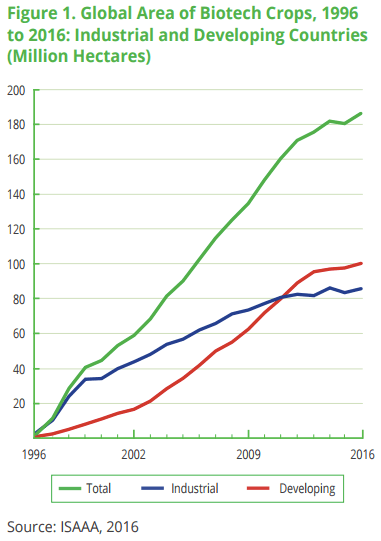
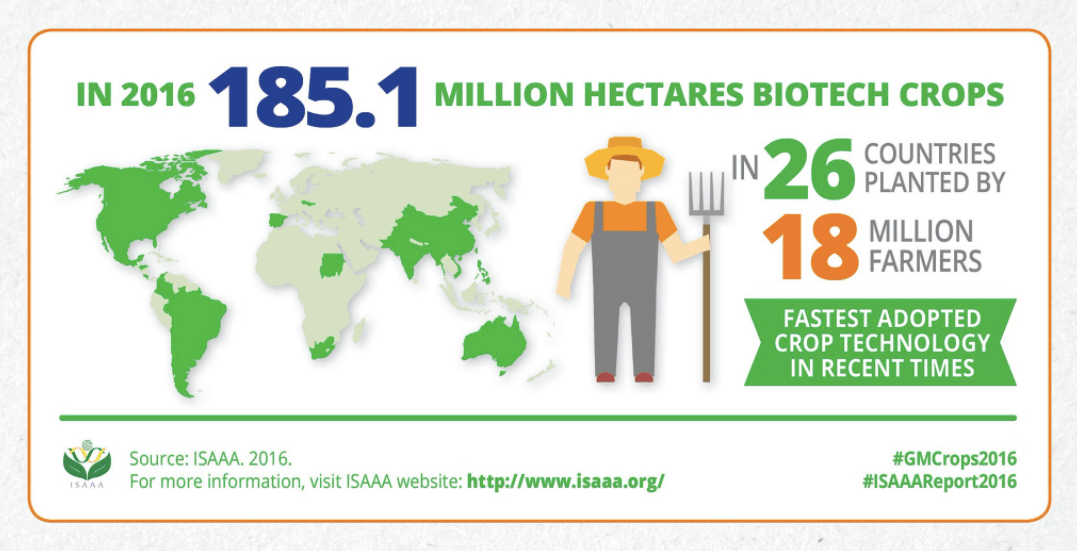
The cultivation of genetically engineered (GMO) crops hit record levels in 2016, with 18 million farmers planting 185.1 million hectares (457.4 million acres) of biotech crops globally, according to a new report.
The total represented an increase of 5.4 million hectares (13.3 million acres), or 3 percent, over 2015, according to a paper published in GMO Crops & Food by Rhodora R. Aldemita and Randy A. Hautea of the International Service for the Acquisition of Agri-Biotech Applications (ISAAA).
Click images to enlarge
“This is the highest area of biotech crop adoption since its first year of commercialization in 1996, which was just 1.7 million hectares (4.2 million acres),” wrote Hautea, ISAAA’s global coordinator, in the organization’s annual report. “Thus, there has been a ~110-fold increase over a period of 21 years, making biotech crops the fastest adopted crop technology in recent times.”
Biotech crops were planted in 26 countries, including 19 developing nations. Brazil, the US, Canada, South Africa, Australia, Bolivia, Philippines, Spain, Vietnam, Bangladesh, Colombia, Honduras, Chile, Sudan, Slovakia, and Costa Rica all increased the amount of land cultivated in GE crops, while China, India, Argentina, Paraguay, Uruguay, Mexico, Portugal, and Czech Republic decreased the area in production. Pakistan and Myanmar reported no change in the amount of biotech crop planted.
The researchers attributed the increases and decreases in biotech crop area to the acceptance and commercialization of new products, increased demand for meat and livestock feeds, ethanol consumption, weather conditions, global market prices, disease/pest pressure and biotech enabling policies adopted by governments.
The US is the top producer of biotech crops, followed by Brazil, where 93.4 percent of the soybean, maize and cotton crops are biotech. The country is also developing GE varieties of beans, sugarcane, potatoes, papaya, rice, and citrus.
Argentina is the third-largest producer, growing soybean, maize and cotton. It has recently approved a virus-resistant potato developed by an Argentinian scientist. Researchers there are also working on drought-resistant wheat and herbicide tolerant sugar cane.
Canada is the fourth largest producer, growing GE canola, soybean, maize, and sugar beet. It recently approved the commercialization of the non-browning Arctic apple, the four-traited InnateTM potatoes and new herbicide tolerant stacked soybean. Consumers there also can purchase the fast-growing AquaBounty salmon.
In the Philippines, the adoption of GE maize increased 65 percent over the previous year, with small-holder farmers choosing herbicide and drought tolerant varieties. Confined field trials continue there on Bt eggplant, virus-resistant papaya, Bt cotton and Golden Rice.
In the European Union, just four nations planted biotech crops, led by Spain and followed by Portugal, Slovakia and Czechia. Though insect-resistant maize is the only GE crop approved for cultivation in the EU, the amount of land in production with that crop increased by 17 percent from 2015 to 2016.
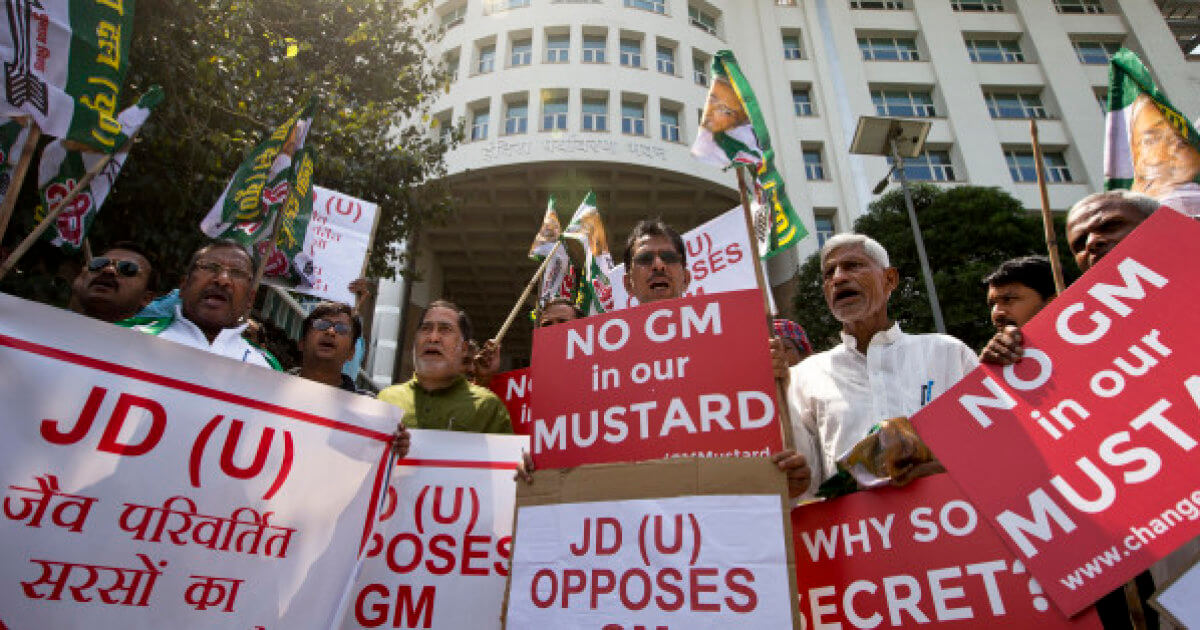
India remains the world’s top cotton-producer, and 96 percent of it is genetically engineered with the Bt insect-resistant trait. However, for the first time in 14 years a slight drop was recorded in the amount of land cultivated in Bt cotton. Field trials have been approved for chickpea, rice, cotton, maize, sugarcane and Bt brinjal, but the adoption of GE mustard has been stalled due to opposition by activists.
“The biotech farmers in various countries, who commonly profess that growing biotech crops have helped them send their children to school, acquire a home for their families, and live a healthier life with less pesticides, will continue to be our inspiration to make our best efforts in knowledge sharing, engagement, and support to technology development,” Hautea wrote.
Joan Conrow is a journalist in Hawaii, where she writes about agriculture, the environment and politics, often for the Cornell Alliance for Science. Follow her on Twitter @joanconrow.
Have you ever wondered why some people “look” older than others? There’s a genetic answer to this question.
Despite our best efforts, aging is inevitable. And we’ve made a lot of efforts, ranging from the announcement of a possible age-reversal treatment coming from lengthening our telomeres (chromosome tips that appear to have something to do with it), to “the first ever Anti-aging Gin … distilled with pure collagen as well as a mix of anti-ageing botanicals to help people look younger whilst having fun.”
Instagram/@bompasandparr
These illustrations show how the chase for eternal youth can run from the sublime to the ridiculous, but they don’t show what scientists are finding out about how we age. While our chronological age has been (sometimes painfully) with us as long as we’ve been human and able to count, it’s our biological age that may be more important.
In short, biological age explains why some people seem to age at different rates than others. Some of us turn gray faster, wrinkle earlier, or get heart disease at a later age than others. And, it turns out that our genes and other physiological characteristics have a lot more to do with this than gin. Or even telomeres.
A study led by Duke University researchers on 1,000 New Zealanders was published in 2015, and calculated the “biological age” of people at ages, 26, 32 and 38 (the researchers had followed these people since birth). The researchers calculated “biological age” by testing the function of the participants’ hearts, lungs, livers, kidneys, immune system, and teeth and gums. Even though these people were too young to be experiencing traditional diseases of aging, their rate of organ system change was highly variable. Of those whose organ functions were declining faster, “were less physically able, showed cognitive decline and brain aging, self-reported worse health, and looked older,” the researchers wrote. These tests translated into biological ages that spanned from 28 to 61 years of age.
Also in 2015, a British group studied healthy 65 year olds and found about 150 RNA variants that added up to a healthy biological age. They then studied a group of 70 year olds as they aged into their 80s. The 150 RNAs, they concluded, formed a biomarker array of sorts, that could predict how healthy the participants were in their 80s, by measuring kidney function, muscle activity and could even diagnose (they say) Alzheimer’s disease at very early stages. All of these changes were independent of actual age.
What’s driving biological aging
If our birthday isn’t all that important, then what is? Twenty years ago, researchers looked to the telomere, a strip of DNA on the end of our chromosomes. Every time a cell divides, a bit of this telomere gets (biochemically) nibbled off. Once a telomere is shortened enough, the cell can’t divide any more, and functions poorly and even can produce harmful inflammatory responses.
While shortened telomeres correlate with higher heart disease, diabetes, cancer and immune dysfunction risks, so does life stress, which doesn’t really relate to aging directly. Also, people with a telomere-lengthening mutation were found to be more susceptible to certain cancers, throwing a little more sand in the face of the telomere theory.
Now, epigenetics is taking center stage as a possible mechanism. Methylation of DNA, one of several ways in which genes can be regulated, seems to pace our aging processes through an epigenetic clock. This clock compares DNA sites on chromosomes and determines how many of those sites gain methylation, and how many lose it. The difference between the gains and losses determine our biological age. Methylation itself is partly inherited, and lifestyle choices and environmental factors can alter the rate and degree of methylation.
Steve Horvath, a geneticist at UCLA who helped create and hone the epigenetic clock, studied data from 51 different cells and tissues. He found that some cells, such as those in the breast can be more than three years (biologically) older than other cells in a woman’s body. In cases of breast cancer, adjacent healthy breast tissue can be about 12 years older. Other tumor tissues were found to have even wider age ranges compared to healthy tissue. The cause of this: Horvath thinks that methylation may affect cell differentiation and embryonic development, which explains why the “epigenetic clock” consists of so many different methylation and demethylation events.
All of these findings do not lead, unfortunately, to a fountain of youth or an anti-aging pill. But they might help deal with what we’ve always considered “diseases of aging,” as certain organs start failing as we grow older.
Andrew Porterfield is a writer and editor, and has worked with numerous academic institutions, companies and non-profits in the life sciences. BIO. Follow him on Twitter @AMPorterfield.
UK-based scientist Richard J Roberts, who won the Nobel Prize in physiology in 1993, criticised the “anti-GMO people” … and said politicians should listen to the scientists and not the anti-science people, who speak “nonsense” and “tell lies”.
Richard J Roberts
…
“My aim in life is to convince politicians that science is important. They should listen to the scientists and not listen to the people who are anti-science, who are people who speak [a] lot of pseudoscience,” Roberts told PTI.
“At the moment, one of the things that is important is GMO…these are the future of agriculture,” he said.
“There is so much nonsense spoken by anti-GMO people, by Greenpeace activists, it is not just true…Most of what they say is not true. Yet, they are having a big effect on people and politics,” he said.
…
Talking about India’s GMO scenario, he said, “Here in India, the GMO cotton that is produced makes a huge difference and there are many other things that can be done in the country too.”
“When they are against GMO, they tell lies…they are not honest in environment protection. This is very disappointing. They are killing people, literally they are killing people, its terrible,” he said on the anti-GMO lobby.
Editor’s note: Timothy Caulfield is Canada Research Chair in health law and policy at the University of Alberta and author of Is Gwyneth Paltrow Wrong About Everything?: When Celebrity Culture And Science Clash.
Quantum physics is now used to explain and market a host of ridiculous ideas and products. This is done not because it actually explains anything related to the relevant ideas and products, but because it sounds so darn sciencey. Invoking quantum physics – which, in the world of real science, is used to describe the nature and interaction of energy and particles at the smallest scale – gives pseudoscience the feel of legitimate science.
…
It is a tactic that is used by more than just nutty celebrity profiteers. Health-care providers, including physicians and, most often, alternative providers often turn to sciencey-sounding terminology to paint a veneer of scientific legitimacy over unproven or completely bogus practices.
…
In a 2015 study I did with my colleagues Christen Rachul and Ivona Percec, it was found that the phrase “stem cells” is often exploited to sell cosmetic and anti-aging products, despite the fact that there is no evidence to support the claims.
…
Being scientifically literate can help. Critical-thinking skills are becoming increasingly important and should be taught early and flexed often. In addition, we need a strong regulatory response to the truly misleading sciencey noise.
…
It is no surprise that the language of science is being used (and abused) to market nonsense. But don’t get fooled by this rhetorical sleight of hand. Be skeptical. Think critically. And look for the real science.
Bangladeshi rice scientists have advanced a beta carotene-rich rice to a varietal release stage, heralding a new era in fight against vitamin-A deficiency (VAD).
They said the wait is nearly over for release of Golden Rice, a long-touted remedy to VAD.
According to the World Health Organization’s global VAD database, one in every five pre-school children in Bangladesh is vitamin A-deficient. Among the pregnant women, 23.7 percent suffer from VAD.
Upon receipts of positive outcome from two successive years of ‘confined’ field trials, the breeders at the Bangladesh Rice Research Institute (BRRI) have just gone for a final cycle of multi-location field trials and sought regulatory approval from the government for an ‘unconfined’ field test prior seeking variety release approval.
BRRI Senior Plant Breeder Dr M A Kader told UNB that in last Boro season they’ve got 10 to 12 μg/g (micrograms/gram) beta carotene in a BRRI dhan29 line genetically converted into Golden Rice, which should be enough to address half of rice-eating consumers’ daily deficiency of vitamin-A.
“This season (Boro) we’ve gone for ‘confined’ field trials in five different agro-ecological locations again. Besides, we’ve also sought permission for an open field trial prior starting the process of varietal release,” explained Kader, now overseeing the Golden Rice programme at BRRI.
Read full, original post: Wait nearly over for Golden Rice release in Bangladesh
Currently, the primary way to treat a cavity is to excavate the decay and the surrounding area before filling the resulting crater with a durable surrogate material such as metal, plastic or glass cement.
But what if instead of drilling holes into teeth and patching them up with synthetic fillers, dentists could coax our pearly whites to regrow themselves? Recently, Paul Sharpe, a bioengineer at King’s College London, and his colleagues discovered a new way to do exactly this in mice. Last year they published a study describing their innovative techniques in Scientific Reports.
…
Sharpe and his fellow researchers drilled holes into the molars of mice, mimicking cavities. They then soaked tiny collagen sponges (which are made from the same protein found in dentin) in various drugs known to stimulate Wnt signaling.
…
The scientists then placed these drug-soaked sponges in the drilled mouse molars, sealed them up and left them for four to six weeks. The teeth treated with these drugs produced significantly more dentin than ones untreated or stuffed with an unsoaked sponge or typical dental fillers. In most cases the technique restored the rodents’ pearly whites to their former intact state.
…
In order to formally introduce this treatment to modern dentistry, however, the researchers will need to perform clinical trials with human patients. Such work is at least several years away, Sharpe says.
In 1968, scientists discovered a new strain of flu circulating around Hong Kong. The virus, though, didn’t stay put. It soon left Asia and turned into a proper pandemic, traveling around the globe and killing one million people worldwide.
…
It has the ability to mutate both during and between flu seasons (more so than other strains), rendering our preventative vaccines less effective.
…
[L]ike most years, scientists knew the Hong Kong flu would make an unwelcome appearance during the 2017-2018 flu season.
…
[B]y watching events unfold in Australia in 2017, where the Hong Kong flu was dominant, doctors knew what to expect and prepared as best as they could. But in this strain’s typical fashion, it has likely mutated, rendering our vaccines less effective.
…
Even though some of us may have been exposed to H3N2 in previous seasons (for example, the CDC identified six variants of H3N2 during the 2015-2016 season), the exterior of the virus — home to a variety of specific proteins — may have mutated too dramatically for us to have any substantive immunity from this earlier exposure.
…
While scientists seasonally do a pretty good job of predicting what will hit the U.S., much less is understood about why strains like the Hong Kong flu wreak havoc for a season or two and then become less dominant or disappear, only to return once again.
The World Health Organization’s cancer agency is firmly defending its finding that a widely used herbicide is “probably carcinogenic” despite reports cited by key House lawmakers.
…
[Oregon Rep. Suzanne Bonamici] entered into the hearing record a series of responses IARC Director Christopher Wild has sent to the panel in recent months.
Wild specifically criticized two stories from Reuters reporter Kate Kelland that suggested the evaluation, known as a monograph, excluded key information.
…
One claimed that Aaron Blair, a U.S. National Cancer Institute epidemiologist who led the glyphosate review, excluded from the assessment forthcoming research that he knew would find no link between the herbicide and cancer.
That was because “IARC Monographs are based on independent scientific review of published and not on the basis of unpublished or ‘secret data’ unavailable publicly,” Wild explained in a Nov. 20, 2017, letter.
…
The other story from last year flagged by Science Committee leaders claimed that IARC omitted evidence that went against its conclusion that glyphosate likely causes cancer in humans and edited a draft review significantly before it was released to the public.
But most of the differences between that draft and the final monograph “specifically relate to a review article” that litigation against Monsanto Co., which uses glyphosate in its popular Roundup herbicides, revealed was ghostwritten by the company, Wild said.
Alessandro [Volpato] isn’t a hobby chef, nor is he chemist or an electrician. But he might be a mixture of all of those things, plus a fourth – and the most important – component. He’s a biologist, a “do-it-yourself-biologist,” or a “biohacker.” That’s what the followers of the still small, but worldwide movement, call themselves.
…
Alessandro is currently working on something called an OpenDrop prototype. It’s a hand-sized, chip-controlled device that will be used to automatically manipulate cells and molecules in the future. This could speed up researching processes enormously.
…
In Germany, the manipulation of genes or work on multi-resistant germs, for example, is strictly controlled – and is punishable by law for do-it-yourself biologists. That makes Germany different than the US, where it’s possible for anyone to buy a starter kit for genetic experiments on pathogenic microbes for $159 (132 euros). A new method known as “gene scissors” makes gene manipulation relatively simple and inexpensive. There is no law that restricts kitchen genetics.
…
Alessandro Volpato is still working out the kinks in his own ideas. His OpenDrop prototype didn’t work the way it should have after several attempts. And the machine for reproducing genes is still stuck here and there. He’ll keep on working on it, of course – even without money from the private sector.
The process of producing better food, protecting the environment and improving animal health is advancing at a seemingly breakneck pace.
These advancements are driven in part by new scientific discoveries, genetic research, data science, enhanced computational power and the availability of new systems for precision breeding like CRISPR….
…
[T]he science is moving so rapidly that some are wondering if producers, consumers and regulators will ultimately be able to understand and embrace the changes.
As history demonstrates, new advancements in breeding have almost always been controversial — even though safety or environmental risks have not been proven.
It’s important to always remember that, “science and innovation always outruns law and policy. These ethical and moral questions are not new,” said Bill Even, CEO of the National Pork Board who also owns a farm in South Dakota. “They arise every time a new technology emerges.”
…
One important thing to keep in mind: These new gene-editing tools are much different than genetically modified organisms or GMOs, that activist groups have given such a bad rap.
…
With gene editing, no genes from foreign species are introduced.
…
Nevertheless, gene editing will have to jump huge policy hurdles — both domestically and internationally — before results of such plant and animal breeding show up on farms, in fields and in food stores.
Sometime around 400,000 years ago human ancestors went on an innovation bender. No longer content to make do with only the large hand axes and other hefty cutting tools that they and their predecessors had manufactured for more than a million years, they began fashioning sophisticated new kinds of stone tools.
…
One theory holds that our own species, Homo sapiens, masterminded this technological revolution in its birthplace, Africa. From there, our forebears carried this new culture into the rest of the Old World when they began dispersing out of Africa, introducing it to the archaic species they encountered in Eurasia, including the Neandertals. A second theory posits the last common ancestor of Neandertals and H. sapiens came up with the technology and passed the know-how down to its descendant species. Or maybe, some scholars have argued, different human groups independently developed this novel way of making stone tools.
…
In a paper published in the February 1 Nature, Kumar Akhilesh and Shanti Pappu of the Sharma Center for Heritage Education, India, and their colleagues report on the recovery of stone tools from Attirampakkam, a site on India’s southeast coast, that span the time between around 385,000 and 172,000 years ago.
…
If they are correct in their assessment, the Attirampakkam tools are by far the oldest Middle Paleolithic tools in India, besting the previous record holders by more than 200,000 years.
Germany’s draft coalition deal includes a goal of ending use of the weed-killer glyphosate within the country but gives no time frame, after Berlin swung a vote in November extending its use across the European Union.
The timing of an end to glyphosate use has been highly controversial in Europe amid a heated debate over whether the chemical causes cancer.
“We will with a systematic minimalisation strategy significantly restrict use of plant protection chemicals containing glyphosate, with the goal of fundamentally ending usage as fast as possible,” the draft deal to establish a new German coalition government said.
The draft, published on Wednesday [Feb. 7] on the homepage of Chancellor Angela Merkel’s conservative CDU party, did not indicate a schedule for ending glyphosate use.
“We will develop alternatives jointly with the agricultural sector as part of an arable farming strategy which will regulate environmentally friendly and nature-compatible use of plant protection chemicals,” it added.
…
Other agricultural policies agreed for the new government include a formalisation of the current ban on growing crops containing genetically modified organisms (GMOs) in Germany and an expansion of organic farming, the draft deal said.
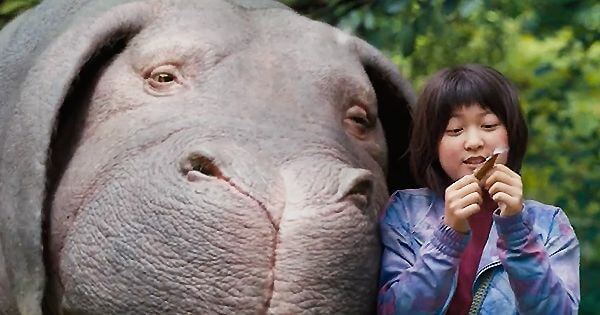
An academic colleague of mine recently tweeted that Netflix’s Okja was worth watching. He is not an agricultural scientist or breeder, but he is a geneticist, and I was surprised that the image of Okja did not trigger his scientific angst. I realize Okja is a science-fiction fantasy movie – but the science makes no sense. The most glaring problem for me is that for some reason, the movie makers who had a budget of $50 million, decided to reimagine a female of a litter-bearing mammalian species that normally has two rows of nipples, and give her a random goat udder with two pendulous nipples that appear to be slightly engorged with milk despite the fact she has never given birth to any offspring. Why??
Okja Credit: Netflix
According to an interview entitled “How the ‘Okja’ VFX Team Created the Creature That Turned Us All Vegetarian” with Okja’s visual effects supervisor, Erik De Boer:
Since Okja was designed as a GMO, she had to come across as a believable meat producer. So it was very important for us and for Bong that she had a very healthy and luxurious feel to her skin and her mast. You could harvest a lot of pork from her.
For those of you that have not seen Okja, the premise of the movie begins with an evil biotechnology company that starts with M…..no not that one…..(get it? wink wink). It is Mirando Corporation, and they have been surreptitiously using genetic engineering to breed a special kind of “super pig”. According to Mirando CEO (Tilda Swinton), the “super pigs will be big and beautiful, leave a minimal footprint on the environment, consume less feed, and produce less excretions, and most importantly they need to taste F#$%#@$ good.”
I guess the “F” bomb had to be in there for dramatic effect. Because the rest of those goals are a pretty close estimate of the overall breeding objective of probably every animal breeding company in the world. Probably disease resistance would be in there too. And before you write off this as being irrelevant to your life, what would be the implications of having pigs and cows and chickens that leave a maximal footprint on the environment, consume more feed, and produce more excretions? In other words what would happen if there were no genetic improvement programs for food animal species?
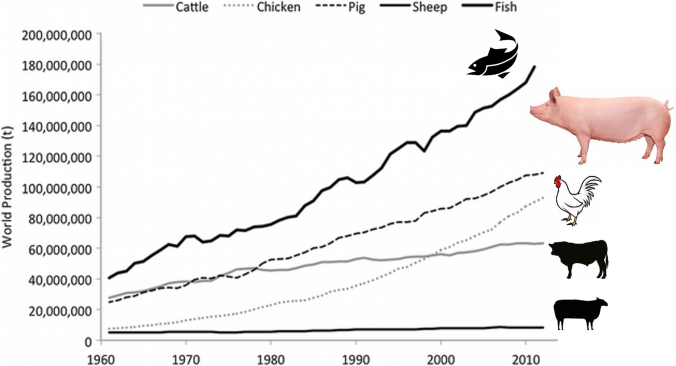
Let’s consider pigs, the second largest provider of meat after fish (wild & cultured).
Over the years selection goals for pig genetic improvement programs have included
Increased litter size
Increase the number of litters per year
Increase the amount of lean meat (pork/bacon) per pig
Decrease the amount of time needed to get to market weight
Improve the efficiency of feed digestion (feed conversion ratio)
Decrease the feed needed to produce a finished pig (increase growth rate)
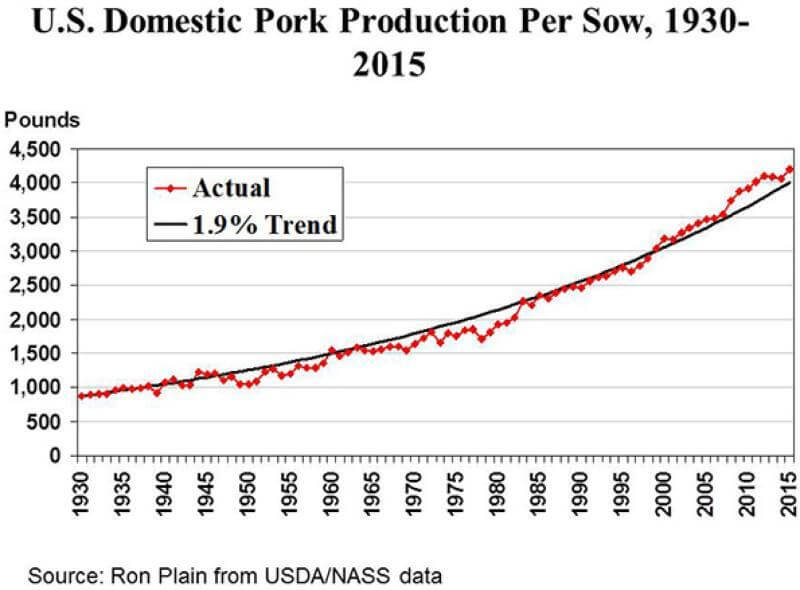
And as a result of those goals, the US industry has improved the pork production per sow more than fivefold, from 800 lb in 1930 to 4,200 lb in 2015.
Without these productivity improvements over the past 85 years, it would take an additional 25.5 million sows (approximately 31.5 million in total) compared with today’s 6 million sows to achieve the current level of US pork production. Now you might not eat pork for personal or religious reasons, or even any animal protein at all – but as long as some people on earth do, there is a strong environmental argument to be made for genetically improving the plants and animal species we use for food production. And the way to achieve this is not 6-ton females with goat udders.
And really this is where Okja loses the plot to me in more ways than one. This so-called super pig that was meant to come across as a believable meat producer took 10 years to reach her 6-ton maturity weight (actual pigs take 5-6 months and weigh around 1/8 ton), and was still barren after a decade. Most sows have more than two litters per year – on average marketing a total of around 22 piglets/sow/year. See the rows of teats on this litter-bearing pig below?
No udder on her – and she has a snout not a hippopotamus face, and a curly tail. That is what makes a pig. And her feed conversion (feed/gain) ratio is 2.6; down from 3.2 just 25 years ago – making her “consume less feed” which is a good thing – would you prefer a Prius or a Hummer in terms of fuel efficiency and the resultant environmental footprint of food production systems?
According to Okja’s writer and director, Bong Joon-ho, in an interview with Vulture:
I don’t think of Okja as a metaphor. It doesn’t have any symbolism of any kind. I simply want to make the audience think that this animal is something that could happen in the very near future, like five years from now. In reality, there are such animals being developed. They’re developing a genetically modified pig.
Yes “they” are developing a genetically modified pig, well actually public sector scientists at the University of Guelph developed the so-called Enviropig more than a decade ago, a pig that had a 75 percent reduction in undigested phosphorus in its manure. It literally was a pig that “produced less excretions” to avoid phosphorus pollution. But public opposition to genetic engineering, fueled by activist fearmongering and dare I say the long-lasting impacts of science-fiction movies like Jurassic Park, have effectively kept such pigs from commercialization. We have over a billion pigs being reared globally, and they still are unable to digest inorganic phytate, and so the inorganic phosphorus pollution problem in their manure still exists. Precluding access to the Enviropig did not make the pig poop phosphorus pollution problem go away, it just precluded one potential solution.
Recently, public sector researchers at the University of Missouri and the Roslin Institute in Scotland, have produced gene-edited pigs that are immune to the Porcine Reproductive and Respiratory Syndrome (PRRS) virus, a devastating disease of pigs. These groups inactivated a protein that was known to be the gateway for this virus to infect pigs.
University of Missouri research team that developed disease-resistant gene edited pigs
Shockingly the public sector researchers that developed these pigs, academic colleagues of mine, look and behave nothing like the deranged zoologist and TV personality Johnny Wilcox in Okja, played by Jake Gyllenhaal, but rather “they” look more like a group of mundane university professors (apologies Kristin, Kevin and Randy) trying to produce disease-resistant pigs to solve an animal disease problem. Sometimes life does not imitate art at all.
In the darkest part of the movie – spoiler alert – Okja is taken by Mirando Corporation to be raped by a super boar for no apparent purpose other than presumably to shock the audience, and then a sample of her flesh is taken by plunging a circular probe into her side. Apparently, the non-invasive ultrasound examination that is typically done to evaluate back fat thickness and meat quality was not gruesome enough for the movie makers. And then she, and the 25 other genetically modified super pigs that were developed as a new genetic line, are inexplicably placed in what appears to be a cattle feed yard with 100s of other super pigs (not sure where they all came from as there were only 26 to start with) to be slaughtered for food. Talk about eating your seed corn – that would have been the end of Okja’s genetics as she did not produce a single offspring to carry on her super pig line.
Of course, at the end of the movie – spoiler alert – Okja is spared from becoming ham and bacon, and goes off to live the life of a 6-ton pet pig in Korea. That is how fairy tales, even science fiction fairytales, are supposed to end. That is part of the reason that Erik De Boer made Okja pet-like, stating:
In terms of Okja’s demeanor and personality, Bong and I always discussed it as a very happy, friendly Labrador. I think we can all relate to that slightly older dog that is just happy to tag along, lumbers a bit, with floppy ears, looking up over its brows. That was the personality we wanted to give Okja: just a very content Labrador inside a super-pig body.
I can understand that some people want pigs as pets, but the vast majority of them are grown for food production. Pigs are actually a very important source of meat in Asia, especially China. Over one billion pigs are consumed annually worldwide, an average of 23 million pigs a week. China, European Union and United States, eat about 12 million, 5 million and 2 million pigs per week, respectively. That is the source of all breakfast bacon and holiday hams.
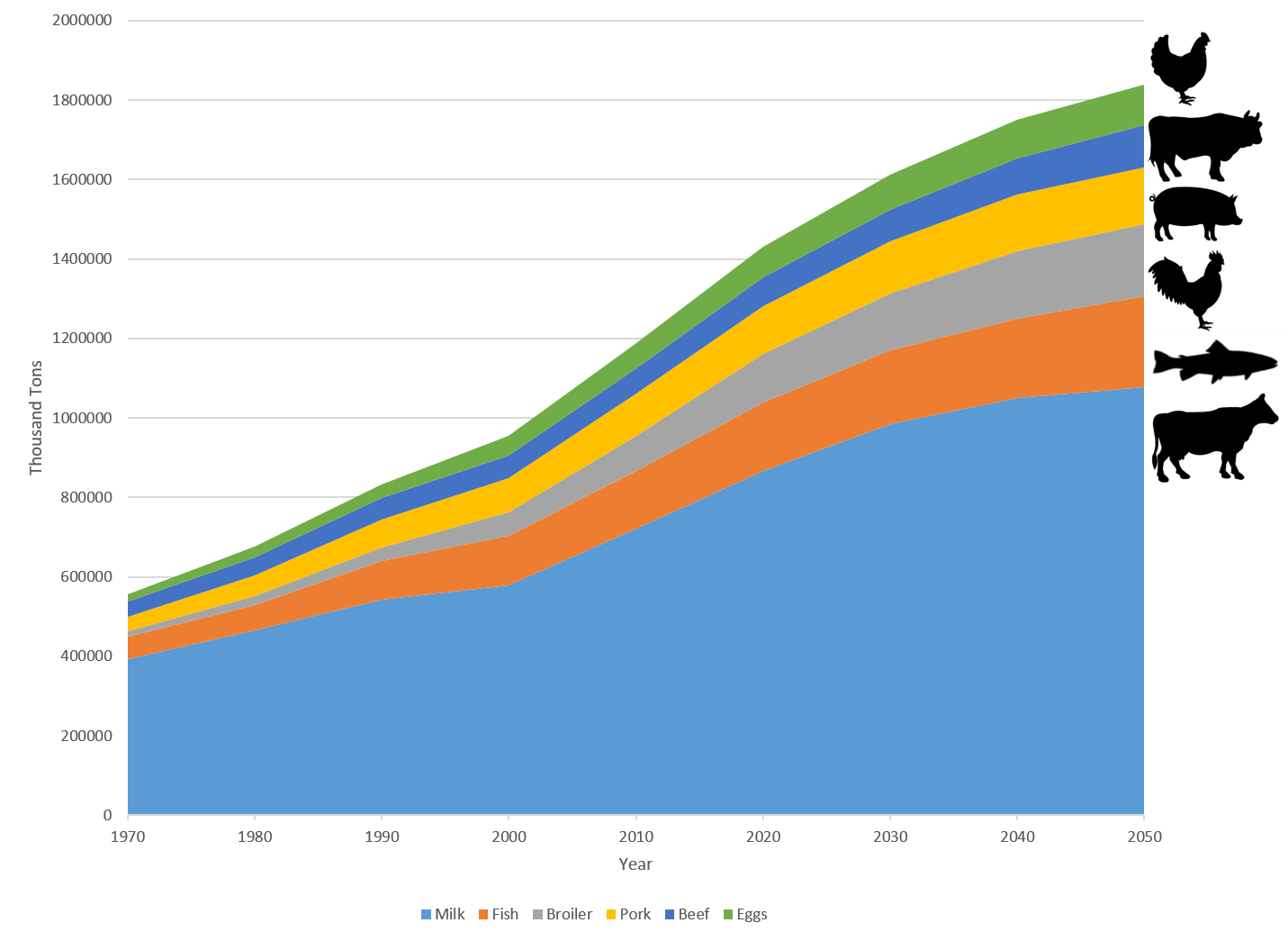
So while it is fun to imagine a pet 6-ton pig, it is also important to be seriously cognizant of the 2050 projections shown in the figure below.
Milk, egg, broiler, beef and pork production since 1970 and projected to 2050 (FAOSTAT 2030 report & database as of 2017)
Ultimately, the livestock sector collectively will need to produce more with less while enhancing health and welfare for humans, animals and the environment. Okja can demonize this objective, and promote a pigs as pets fairytale, but livestock play an important role in global food security today, providing essential micronutrients and high-quality protein to billions, and they provide important contributions to livelihoods and economic opportunities for many as well as providing draught power, manure for crop production and many by-products.
I wish science fiction movies and fairytales could do a better job of “sciencing the shit” out of agriculture and food production, in the way that Mark Watney was able to use innovation to get off Mars in The Martian. With no apparent sense of irony, towards the end of the interview regarding the complexities of shooting Okja, visual effects supervisor, Erik De Boer emphasized the importance of pushing technology to try to do better in his chosen field:
From a technology point of view, we’re always trying to push ourselves further and try to do better.
There is probably no more pressing problem facing humanity than climate-smart agriculture to feed projected population growth, and it disappoints me that Okja yet again perpetuated the tired old story of scientists as disturbed, money-hungry corporate sell outs. As long as agricultural research continues to be painted in such a negative light, it will be difficult to obtain public support for agricultural technology and the importance of “sciencing the excretion” out of problems facing agricultural production systems.
Alison Van Eenennaam, Ph.D. is an animal geneticist and Cooperative Extension specialist in the Department of Animal Science at the University of California, Davis. Follow her on Twitter @BioBeef
A version of this article originally appeared on the UC Davis BioBeef Blog as “Two pendulous nipples“ and has been republished here with permission.
Harvard medical geneticist Robert C. Green, reflective, cautious, and as decent as a scientist can sound, took to television recently to make people aware of an open trial at the Brigham and Women’s Hospital, which uses genomic sequencing to screen for variants that can predict 1,800 genetic conditions in newborns. The cutting-edge study foreshadows what genetic science might bestow to human health, but the more interesting takeaway is that the failure of the study to connect with the public — very few are enrolling — may signify a deepening distrust of biotech.
The BabySeq Project, of which Green is the co-director, is part of a $25 million effort funded by the National Institutes of Health, and has exemplified a vision perhaps best summed up by The New York Times science writer Nicholas Wade, who in 2006 quipped, “when genomes can be decoded for $1,000, a baby may arrive home like a new computer, with its complete genetic operating instructions on a DVD.”
Project leaders were stunned then when only about 7 percent of parents wanted to take part. As the journal Science reported a year ago “the parents of only 24 of 345 sick babies in neonatal intense care, and 138 of 2,062 healthy babies, have agreed to join BabySeq.”
Parents approached for the project have reportedly been concerned about data privacy, potential bias from insurers who may equate genetic variants as preexisting conditions, and the uploading of their newborn’s data onto federal databases. I suggest the low enrollment underscores how a public fascination with genetics — half of parents on a previous survey said they were “very” interested in the project — is coupled with distrust in the commercialization of biotech, which is creating new social and economic inequalities.
The high profile patent battle over the CRISPR-Cas9 gene editing tool, often valued commercially at a billion dollars, and the FDA approval of the first genetically modified medicine for $475,000 — a sale price that is 19 times the cost to manufacture it — have displayed the capacity for turning taxpayer-funded research into an aggressive money-making enterprise. More personally, genetics are being used to typify people for cancer risk and age-related diseases, schizophrenia, autism, and intelligence, none of which truly belong to diagnostic categories.
It is therefore no surprise that parents may want to protect their newborns from becoming targets of commercialization.
In truth, genome sequencing is an extension of earlier commercial sequencing tests and standard newborn screening tests. BabySeq has expanded these to 166 genes, which can theoretically predict thousands of disorders and identify several genetic risk variants. For instance, it has identified a dozen newborns to have a genetic variant associated with biotinidase deficiency, which can impact cognition, and be fixed by taking a simple vitamin. Casie Genetti, a researcher at Boston Children’s Hospital, noted researchers found 109 of 125 babies had at least one, and up to six, genetic variants for an autosomal recessive disorder, meaning that if they went on to have children with a partner who had a corresponding gene compromised in a similar way, it could be damaging or life-threatening for their own baby.
Part of the problem is that we all have some measure of genetic variation, and that can be either dangerous or advantageous depending on the cell type or genetic background or environment. Furthermore, it’s not even clear that scientists have a solid grasp on which genetic variants are harmful. A group called the Exome Aggregation Consortium last year revealed that of 192 high frequency genetic variants that had previously been considered pathogenic, only nine are likely harmful.
Then there is concern that the information will be used as a recruitment tool to draw families into further studies and counseling, and that insurance companies will use the data to set prices. In 2013, Green suggested that the American College of Medical Genetics and Genomics adopt a new policy: Anyone who had their genome sequenced to detect a rare mutation for a disease must now also be screened for 56 additional genetic markers that might predict conditions such as breast cancer and heart disease. Like it or not, the patients would have to be informed about these additional genetic markers. Green found opponents in Boston University bioethicist George Annas, and the clinical geneticist Sherman Elias, who suggested that this type of disclosure put patients at undo concern.
“We were kind of taken aback,” Elias told me when I met him in 2013, not long before his death from cancer. “The rationale was that if someone carries a genetic mutation that is ‘actionable,’ meaning that doctors can do something about it, then the patients and doctors must be informed.” Elias and Annas believed the College was overreaching. Genetic mutations, or predictive markers, are often only “associated” with a certain disease. Elias was fulminating that the field was anxious to show off its dazzling abilities to use genetics, while many of the genetic variants might not be causative. “Once you have a hammer, everything looks like a nail,” Elias said. “Knowledge is seductive. That’s until we’re faced with knowledge that we’re all at risk.”
Risk and danger are linked to the genetic context in which they are inherited. Scientists will never have control over context of the ecosystems of our genes. In fact, there’s an old saying, credited to the plant ecologist Frank Egler: “Ecosystems are not just more complex than we think, they’re more complex than we can think.”
Most people know how limited scientific knowledge is right now, and perhaps always will be. What’s more troubling is that the little reliable knowledge we do have may be used as leverage by commercial forces.
The long-awaited results of a $25 million National Institutes of Health study on the effects of cellphone radio-frequency radiation exposure on animals is out, and the results are mixed. They showed a higher risk of tumors, DNA or tissue damage, and lower body weight in some groups of rodents, but no obvious ill effect in others and no clear implications for human health.
…
The new NIH study showed tumors in rats and mice in other parts of the body — the brain, prostate, liver and pancreas — but the scientists said it was unclear whether those were related to the radiation.
The experiment involved placing rats and mice into special chambers and exposing them to levels of radiation that mimic 2G and 3G phones, which were standard when the study was launched, for nine hours a day.
…
Researchers said that they found some tissue and DNA issues but that “we don’t feel sufficient understanding to comment on their biological significance.”
…
The Food and Drug Administration, which commissioned the study, released a statement describing “the mostly equivocal, or ambiguous, evidence that whole body radio-frequency energy exposures given to rats or mice in the study actually caused cancer in these animals.”
A parasitic plant called dodder can silence the expression of genes in the host plants from which it obtains water and nutrients, new research suggests.
This cross-species gene regulation, which includes genes that contribute to the host plant’s defense against parasites, has never before been seen from a parasitic plant.
Understanding this system could provide researchers with a method to engineer plants to be resistant to the parasite. Dodder causes major damage to crops in the US and worldwide every year.
…
“Dodder seems to turn on the expression of these microRNAs when it comes into contact with the host plant,” says James H. Westwood, professor of plant pathology, physiology, and weed science at Virginia Tech and [a co-author] of the paper. “What was really interesting is that the microRNAs specifically target host genes that are involved in the plant’s defense against the parasite.”
…
“So, with this knowledge, the dream is that we could eventually use gene editing technology to edit the microRNA target sites in the host plants, preventing the microRNAs from binding and silencing these genes. Engineering resistance to the parasite in this way could reduce the economic impact of the parasite on crop plants,” [says study co-author Michael J. Axtell, professor of biology at Penn State].
The researchers report their findings in the journal Nature.
“There appear to be serious problems with the science underlying [the International Agency for Research on Cancer]’s [2015] assessment of glyphosate,” said Committee Chair Lamar Smith at the latest round of congressional hearings that could lead to cut off of United States funding of the World Health Organization cancer research sub-committee.
The glyphosate controversy shifted to a new forum this week: The House Science and Technology Committee. As might be expected, it was a highly political and ideological airing, illustrating the sharp differences among scientists, industry groups, regulators and politicians over the controversial herbicide glyphosate, sold exclusively until 2000 by Monsanto under its patent name Roundup, but now widely available in generic form from many suppliers.
The National Institutes of Health’s grant database shows that it gave IARC more than $1.2 million last year and more than $48 million since its inception.
“There are real repercussions to IARC’s unsubstantiated claims, which are not backed by reliable data,” Smith, the Texas Republican, said.
Almost all of the Republicans and all but one of the scientists and regulators called to testify were critical of IARC—its funding and transparency. Pushing back were the Democratic committee members and Jennifer Sass, senior scientist for the Natural Resources Defense Council who is on the record declaring glyphosate dangerous and defending IARC’s credibility.
“This hearing is about the ability of a public health agency to call a carcinogen a carcinogen, even if it makes a huge amount of money for a powerful corporation,” said Sass in response. Records compiled by the watchdog group Center for Responsive Politics show Monsanto spent more than $4.3 million in lobbying during 2017.
Much of Sass’s testimony focused on defending IARC’s methodology and on the shortcomings of a separate review released in December of glyphosate by the Environmental Protection Agency, which concluded is unlikely to cause cancer in workers or in those who consume micro traces of it through food.
Rep. Smith said his committee has interviewed a cross section of scientists and regulators who have serious concerns about a lack of transparency within the agency. Sass countered: “The meetings are open and IARC observers are invited. Monsanto was present. Other regulatory interests can also be present. So, they’re public in that sense that anybody who wants to be present can.”
Democrats on the committee pushed back at the GOP’s characterizations of IARC and tried to turn the tables against Monsanto, which has been pushing against the 2015 finding through numerous means.
“It is important that we review the methods and tactics that industry has used to influence this [Trump] administration and attack independent scientific organizations like the World Health Organization’s International Agency for Research on Cancer,” said Oregon Republican representative Suzanne Bonamici.
What was really going on at the hearing?
Click images to enlarge
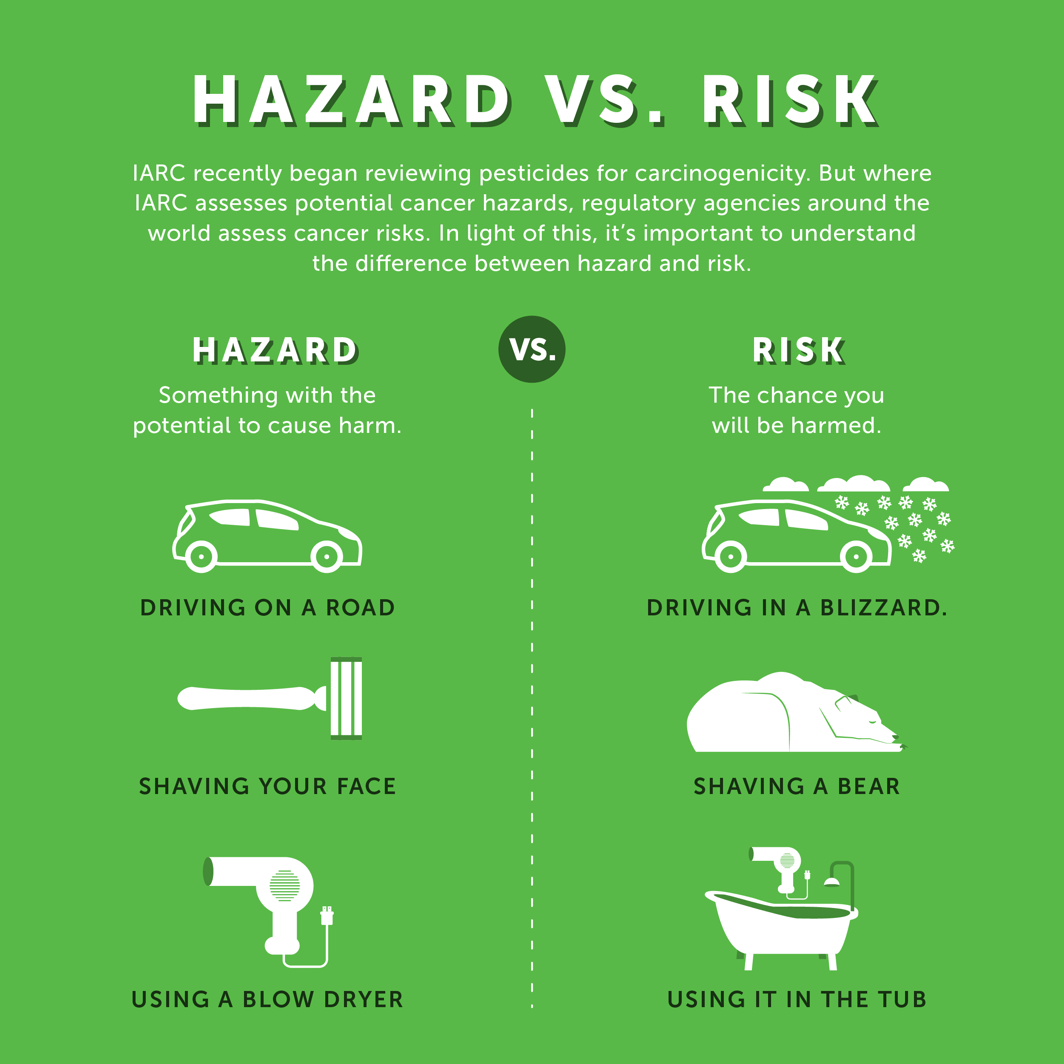
IARC, based in Lyon, France, is a semi-autonomous sub-division of the World Health Organization. It assesses what is known as cancer “hazard” — whether a substance could cause cancer, not whether it is likely to cause cancer under real world conditions. Many common substances and activities that are perfectly safe when used or consumed in moderation, such as working the night shift, eating processed meat, staying out in the sun, coffee, alcohol — and glyphosate — have all been declared as possible carcinogens by IARC. No other science research agency uses hazard classification; regulatory agencies assess risk — the chances that a person could get cancer under real-world conditions.
It’s this hazard-risk difference that is at the heart of the science part of the dispute. Most scientists and almost every regulatory agency embraces the risk standard as most appropriate; many activists and a very few regulatory agencies use a precautionary hazard standard. For instance, California has cancer warning signs at DisneyWorld park and is proposing adding them to coffee–and to glyphosate.
The issue of whether glyphosate poses any human health hazards took second fiddle to the driving theme of the hearings: what role should industry play in science innovation. Much of the research in modern agriculture is driven by large corporations including Monsanto. That’s mostly because of the high costs of getting new products approved. It’s estimated that a genetically engineered crop can take more than 7 years and well over $100 million to gain approval.
Another key theme running through this dispute — the more political dimension — is the involvement of agribusinesses playing a major role in the testing of their own products. That’s mandated by the US regulatory agencies because of the high cost of testing, which the government does not want taxpayers to assume. The data must be independently derived however, and is often supplemented by independent tests. But any corporate involvement is an anathema to activist groups. They claim companies will go to any length, legal or not, to protect a profitable product.
Sass referred numerous times to the “tobacco-industry tactics applied to glyphosate, and the agrochemical industry attack on the IARC Monographs. “Because of its scientific excellence and its scientific and regulatory relevance, IARC enjoys overwhelming support from the global scientific and medical community,” she said.
That’s not true. In the science world, there is no partisan divide over whether glyphosate, widely considered one of the most effective and mildest herbicides in use today, poses any serious health dangers. The December EPA report—whose conclusions confirmed a preliminary study first released under the Obama Administration—concurs with the findings of every major independent science organization in the world, except for IARC.
The draft human health risk assessment concludes that glyphosate is not likely to be carcinogenic to humans. The Agency’s assessment found no other meaningful risks to human health when the product is used according to the pesticide label. The Agency’s scientific findings are consistent with the conclusions of science reviews by a number of other countries as well as the 2017 National Institute of Health Agricultural Health Survey.
An outlier in the science world, IARC is also facing a credibility crisis—revelations that have led numerous independent scientists to suggest the WHO sub-group uses out-dated methodology, has become ‘captured’ by activists groups and has outlived its usefulness.
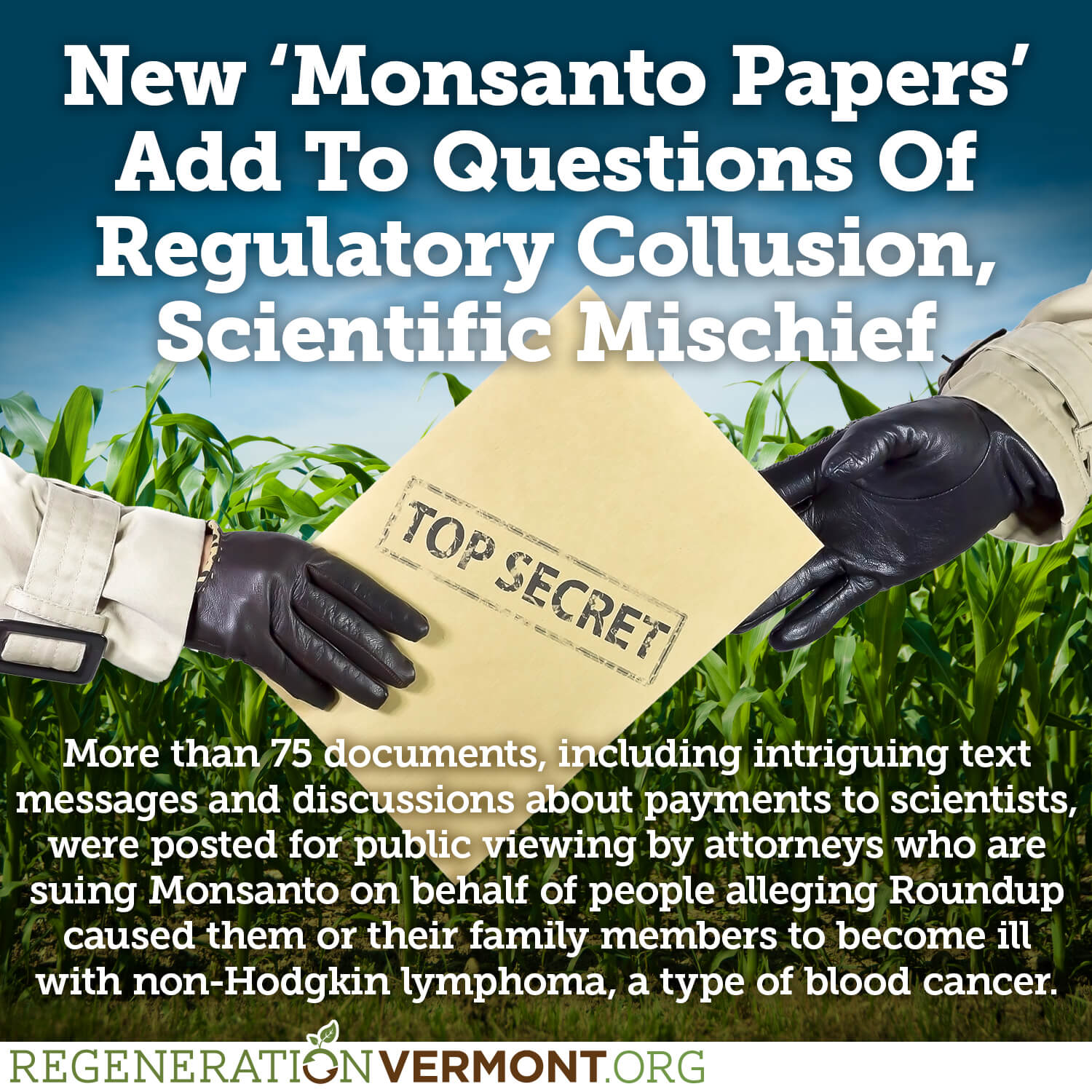
Monsanto Papers
Without IARC’s contested findings, the case to ban glyphosate, which hinders the development of genetically modified crops, would collapse. The lynchpin of the activist case against these tools of modern agriculture is the charge that biotech companies and government regulators lie about how dangerous they are.
This is a serious allegation to level against the scientific community, so the anti-GMO movement needs solid evidence to substantiate such attacks on biotech firms, universities and the scientists they employ. To that end, U.S. Right to Know (USRTK), a California-based anti-GMO activist group whose charter is to challenge agricultural biotechnology, released a cache of internal Monsanto documents two years ago that they dubbed “The Monsanto Papers.”
In 2015, USRTK began working alongside a team of trial lawyers who are suing Monsanto, alleging that glyphosate, the active ingredient in the company’s herbicide Roundup, causes non-Hodgkin lymphoma (NHL), a very common type of cancer in the United States. In its findings IARC identified NHL as the one type of cancer glyphosate could cause.
The Monsanto Papers is the centerpiece of the 320 lawsuits pending against the biotech firm in San Francisco and its become the activist go-to documents, used all around the world by agricultural biotechnology opponents.. Most of the documents deal with legal procedure and, frankly, they’re boring to read. But a handful discuss the relevant scientific topics, with selected studies touted by the litigants as “proof” that glyphosate is carcinogenic. It’s these that USRTK, Sass and others have misconstrued as evidence of malfeasance on Monsanto’s part.
According to USRTK’s Director of Research Carey Gillam, the “secret conversations” contained in these company emails, court records and other documents reveal that Monsanto officials knew its herbicide Roundup was carcinogenic. Moreover, Gilliam said, the company covered up the risks by trying “to improperly influence” government regulators who are responsible for protecting the public from dangerous chemicals.
These themes were echoed in the Congressional hearings by Sass, the scientist from the Natural Resources Defense Fund. “There is an unprecedented effort largely supported and funded by a coordinated group of industry supporters of glyphosate and other chemicals,” she said. “Fundamentally, this is about whether a science organization can be independent enough to challenge the safety of a substance if that challenges the financial health of that company.”
Such comments, which draw on the narrative established in The Monsanto Papers, are clever marketing. But is that what the ‘Monsanto Papers’ actually illustrate? Do they contain evidence of corporate wrongdoing, as Sass, USRTK and other activist groups claim?
Does glyphosate cause cancer? Examining IARC’s claims
Reading USRTK’s commentary on the Monsanto papers, you might think the documents contain clear evidence that glyphosate is carcinogenic. After all, if the herbicide is safe to use, the conspiracy theory falls apart because there’s nothing for Monsanto to conceal. Unfortunately for USRTK, many of the studies they cite as ‘proving’ glyphosate is carcinogenic are poorly-designed and have been refuted many times over by independent experts.
The 2015 IARC monograph is the centerpiece. Discussing the monograph, the plaintiff’s lawyers wrote, “Scientists … who are renowned and respected experts in their field, systematically reviewed the published and peer-reviewed data and concluded, based on sound, reliable evidence, that glyphosate is a probable human carcinogen.” (p 9)
But those conclusions have been challenged by many independent science organizations around the world. In the congressional hearing, Dr. Robert Tarone, a retired mathematical statistician formerly with the US National Cancer and Biostatistics Director at the International Epidemiology Institute, blasted IARC for its sloppy methodology, out of sync, he said with risk assessments from around the world including the US Environmental Protection Agency, the European Commission, the European Food Safety Authority and oversight agencies in Germany, Canada, Australia and New Zealand.
Tarone only touched on the considerable problems with IARC’s monograph, however. Most importantly, the agency excluded studies that found glyphosate did not cause tumors in rats. Reuters has reported that this research was included in a draft report but subsequently edited out of the finished monograph IARC released to the public.
“Reuters found 10 significant changes that were made between the draft chapter on animal studies and the published version of IARC’s glyphosate assessment,” reporter Kate Kelland wrote in October. It was on the basis of these animal studies that IARC classified glyphosate as a probable human carcinogen. The fact that this section of the monograph was edited to exclude studies with contrary conclusions is a red flag. IARC also didn’t include additional epidemiological research in their monograph that showed no association between glyphosate exposure and NHL in agricultural workers.
In his deposition (p 200) for the lawsuits against Monsanto, Dr. Aaron Blair, an epidemiologist who helped produce the IARC monograph, admitted this data was excluded. These events raise concerns that we can’t answer yet, but the situation is even more suspect because Blair co-authored some of the excluded research. The epidemiologist said he didn’t share his work with IARC because it hadn’t been published yet, and IARC’s rules mandate that the agency look only at peer-reviewed, published studies.
Given the significance of this data, Blair’s reasoning raises eyebrows. Moreover, regulatory bodies like the US Environmental Protection Agency, charged with protecting Americans from dangerous chemicals, regularly accepts unpublished but ongoing research when evaluating pesticides for safety. In principle, then, IARC could have used Blair’s data in their assessment of glyphosate. Blair either didn’t realize how important his work was or he knowingly withheld the data. Neither answer is satisfying.
Despite these flaws, IARC’s monograph is the best evidence that USRTK has to present in court that glyphosate is dangerous. This is probably why activist groups have worked so hard to defend the monograph against expert criticism. Gillam, for example, railed against Reuters coverage of the controversy as “…a well-orchestrated and highly coordinated media coup [by] Monsanto Co. and friends.” She also complained that Monsanto gave Reuter author Kate Kelland access to Blair’s deposition because she, “… has a history of cozy relations with a group partly funded by agrichemical company interests.”
This is an unsupported ad-hominem attack, but it’s also hypocritical. Gillam is a former Reuters reporter who left the news agency after public controversy about her biased reporting, signing on soon after with USRTK. She acknowledged that she gained access to Blair’s deposition because one of the plaintiffs’ lawyers gave it to her. She also repeated Blair’s excuse, unchallenged, for not sharing his unpublished research with the entire IARC committee.
“IARC confirmed it does not consider unpublished research,” Gillam wrote in a June 2017 Huffington Post piece. She also argued that there is still plenty of evidence to support the link between glyphosate and non-Hodgkin’s lymphoma (NHL). This dispute over which studies made it into IARC’s monograph also shows up in The Monsanto Papers and was the focus of the Congressional hearings, so it deserves closer scrutiny.
Monsanto mirrors the scientific community
Monsanto, of course, has disputed Gillam’s claim that the studies IARC considered tell the whole story about glyphosate. But what’s interesting is that the company’s private criticisms of the IARC monograph mirror the arguments made publicly by independent scientists. In this PowerPoint presentation, for instance, Monsanto executives describe how IARC ignores studies that show that glyphosate is not carcinogenic and “…defend work & exaggerate [the] number of studies…” that find a correlation between glyphosate and NHL (p 3).
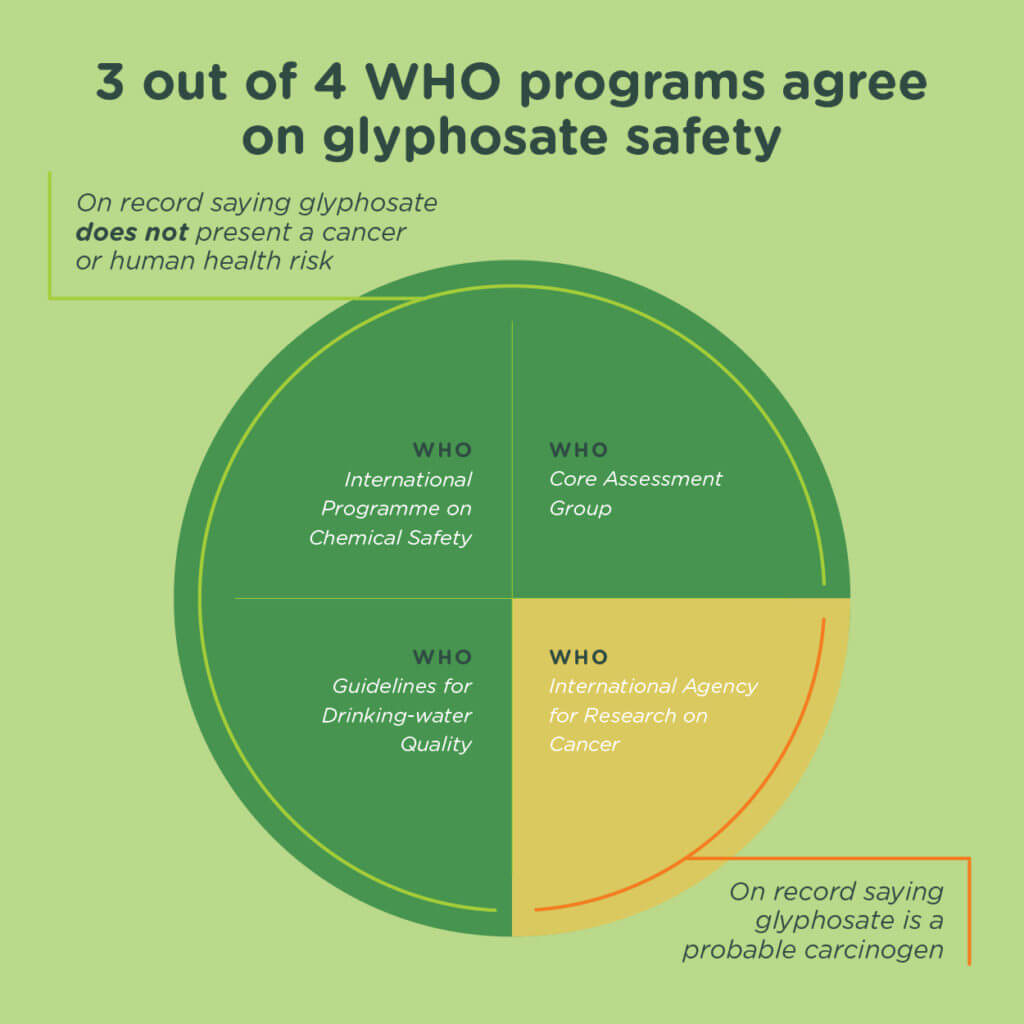
Dozens of independent agencies from around the world concur with Monsanto’s assessment of the overwhelming consensus evidence that glyphosate is not carcinogenic. While three WHO agencies have issued reports concluding that glyphosate is safe as used, IARC, alone, issued a monograph that declared glyphosate a “probable human carcinogen” when used by agricultural workers. Note that the agency did not say glyphosate was a ‘probable human carcinogen’ in trace amounts in food or that it posed any genuine risks.
Why is there such a discrepancy between the IARC hazard findings and risk assessments of the regulatory and mainstream science communities? Many people misunderstand how IARC and its findings are perceived in the global regulatory framework. For more than 40 years, the agency has assessed 989 substances and activities, ranging from arsenic to sunbathing and hairdressing; it designated only one as “probably not” likely to cause cancer in humans. Scientists and regulators are increasingly pushing back against what they say is a useless ‘hazard’ exercise, as almost any substance can be judged toxic, even water, if the ‘dose’ is extreme and the exposure time is long enough.
Most scientists believe IARC’s hazard assessments are confusing to the public and the science community, and offer conflicting regulatory guidance. Tim Pastoor, a consulting scientist for the agribusiness industry who testified at the hearings, noted the farcical categorization of some of hazard assessments issued by IARC. Plutonium is in the same risk category as salted meat and aloe vera is as ‘dangerous’ as gasoline. Glyphosate is considered as hazardous as grapefruit juice.
Not one independent regulatory agency has echoed IARC’s controversial conclusions. Every scientific, regulatory, or health body that has independently reviewed the voluminous literature on glyphosate’s toxicity has declared that the herbicide is safe when used according to its label––except IARC. There are hundreds of studies showing that glyphosate isn’t harmful as used.
Most recently, a November 2017 study published by the National Cancer Institute (NCI) echoed the FAO/WHO conclusion, finding “…no association was apparent between glyphosate and any solid tumors or lymphoid malignancies overall, including NHL and its subtypes.” The NCI paper came as a blow to USRTK’s campaign because it included the previously unpublished data from the Agricultural Health Study that Blair withheld from IARC, health outcomes from “…tens of thousands of agricultural workers, farmers and their families in Iowa and North Carolina,” according to The Washington Post.
An important point to stress is that most scientists in this field have no relationship with industry. According to a 2015 Nature Biotechnology paper, almost 60% of studies investigating GM crops “…have no financial or professional [conflicts of interest], as the authors were not affiliated with companies that develop GM crops…” This is significant because USRTK’s conspiracy theory, repeated at the hearing by the NRDC’s Jennifer Sass, assumes that Monsanto suppressed studies about the dangers of glyphosate exposure to protect the “billions of dollars” they make each year from selling the herbicide and herbicide-tolerant Roundup Ready seeds.
Ghostwriting
One of the charges made by USRTK and repeated at the hearing by the NRDC’s Sass isthat Monsanto ghost wrote several scientific review papers and at least one op-ed that appeared in the popular press and were intended to vindicate glyphosate. The basis for this claim is a series of emails between company scientists and independent biologist Dr. Henry Miller, a fellow at Stanford University’s Hoover Institution and a former FDA medical reviewer. Miller did incorporate some of Monsanto’s wording in some articles he wrote, but this falls far short of a smoking gun indicting all journalists, or indeed even Miller, who has a history of excellent reporting in this area. Yet, this is USRTK’s supposed smoking gun that Monsanto orchestrated a conspiracy to conceal the health risks linked to glyphosate. Gillam complained that such “corporate-spun science should not be guiding policy.”
The European Food Safety Authority reviewed the claims in the Monsanto Papers, saying that it was irrelevant whether Monsanto contributed to the writing of four glyphosate review papers, concluding “…that even if the allegations were confirmed…there would be no impact on the overall EU assessment and conclusions on glyphosate (p 1).” The EFSA noted that it was aware of Monsanto’s involvement, which it considered in preparing its evaluation:
……[Monsanto’s Involvement] was evident from the Declarations of Interest and Acknowledgements in the papers themselves…This means that Member State and EFSA experts were under no illusion about the links between the study authors and the companies that funded or facilitated their work when the experts carried out the risk assessment. (p 5).
The real glyphosate conspiracy?
The ironic part of this affair is that USRTK and IARC may be guilty of the malfeasance they accuse Monsanto of. In The Monsanto Papers the plaintiffs’ attorneys argued, “[u]nlike regulatory bodies that often have ties to industry and are shackled with earlier regulatory decisions, IARC is independent (p 9).” They didn’t mention (and it was obviously not mentioned by Sass in her testimony) that these same plaintiff’s lawyers had hired biostatistician and IARC advisory scientist Dr. Christopher Portier to consult with them as they prepared to sue Monsanto.
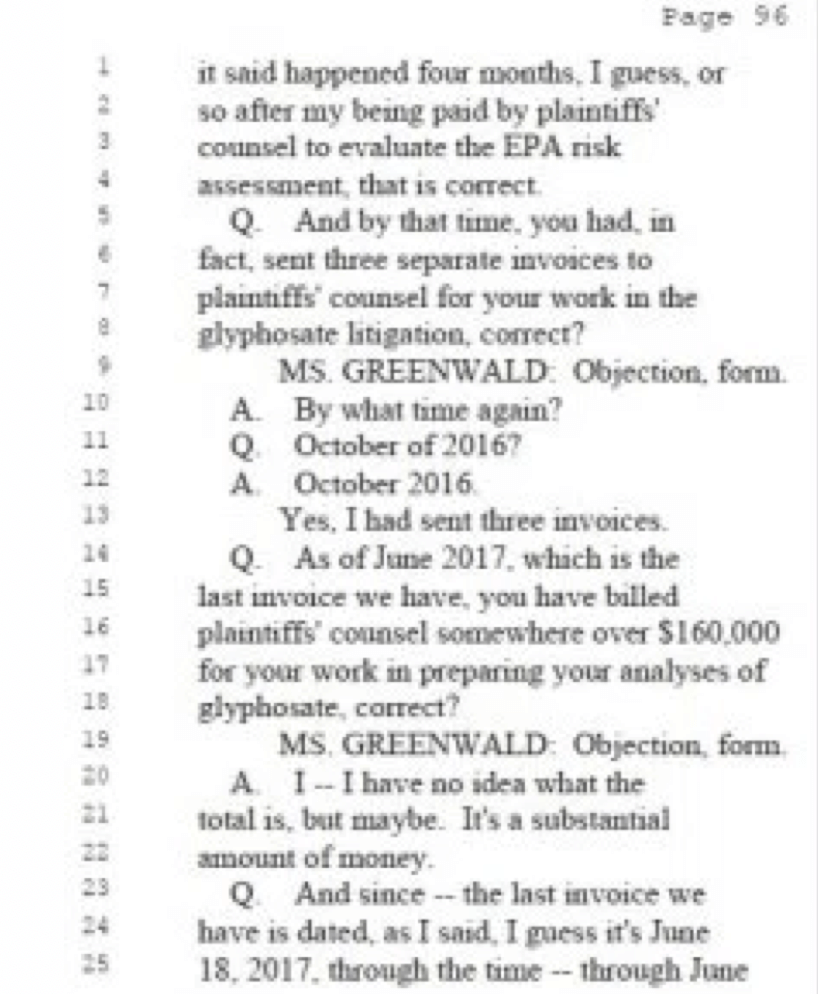
Portier, agreeed to be paid $160,000 even before the IARC monograph, which is the basis of their lawsuit, was released. Portier’s contract with these law firms was signed the same week IARC published its monograph. Portier admitted to this conflict of interest in his deposition in the Monsanto Papers.
The press also has been awash in reports that IARC deliberately excluded studies that didn’t fit the panel’s conclusion, which makes it appear predetermined. It should be noted that IARC does no research, it only reviews published research that it deems relevant, so if key studies were omitted the agency’s conclusions are already somewhat suspect.
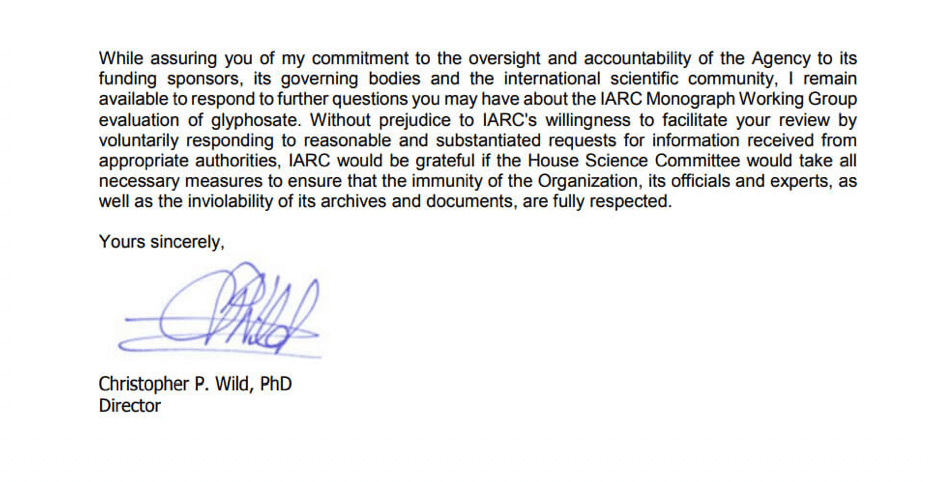
IARC has refused to cooperate with Congress trying to get to the bottom of this controversy. In a reply to the Committee’s request for information about the Monograph Program in January 2018, IARC Director Chris Wild wrote that he would “…respond to further questions you may have about…glyphosate,” but declined to share IARC’s internal communications about the glyphosate monograph.
The battle over IARC comes against a backdrop of several years of growing ideological partisan acrimony over science, as the parties have frequently accused each other of being “anti-science.”
Monsanto, which is in the process of being acquired by Bayer, said after the hearing that IARC’s findings are an outlier when compared to what scores of other studies and regulators around the world have found.
“We’re pleased that serious questions are being asked about the discredited IARC opinion and the real harm it is causing to American farmers,” said Scott Partridge, Monsanto’s vice president of global strategy.
Sass was dismissive. “Are we willing to sell out the public’s right to know about harmful chemicals in the places we work live, and play, just so that Monsanto Co. can sell more glyphosate?” she said.
Jon Entine, executive director of the Genetic Literacy Project, has been a journalist for more than 40 years, as a writer, network television news producer and author of seven books, four on genetics and risk. BIO. Follow him on Twitter @JonEntine.
Cameron English is a freelance science writer and podcast host. He covers nutrition, public health, biotechnology and occasionally other topics. Visit his website and follow him on Twitter @camwritessogood.
The vice-chair of the European Parliament’s agriculture committee has argued that Europe should embrace innovative biotechnologies to boost food production while cutting the environmental impact of farming.
“Breeding techniques which do not involve genomic changes from one species to another, and simply accelerate modifications that could happen in nature, should not be considered as the old-fashioned genetic modifications,” Italian S&D group MEP Paolo De Castro said at a conference on ‘Modern Biotechnologies in Agriculture’, on 28 September.
Paolo De Castro
…
He told EURACTIV.com the focus of agricultural innovation should be on enabling farmers to produce more with less and to make farming more sustainable. De Castro also stressed that the legal framework should be separate to the EU’s current laws on genetically modified organisms (GMOs).
“The food resulting from these new techniques is completely different from the Frankenstein food our consumers are scared by,” the MEP added.
NPBTs are innovative techniques that involve using genetic engineering to enhance or remove certain characteristics. Supporters argue they should not be regulated as genetically modified organisms (GMOs) because, unlike with GMOs, no foreign DNA is added. Any change that scientists engineer, they say, could occur through the natural process of evolution.