More than 99% of [fruits and vegetable] samples tested in the U.S. Department of Agriculture’s Pesticide Data Program had residue levels well below levels established by the Environmental Protection Agency.
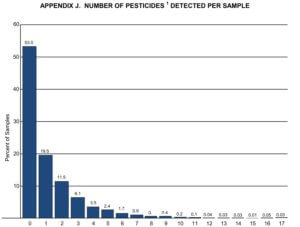
The USDA published the 203-page 2017 annual summary on Dec. 17 and said 53% of samples had no detectable pesticide residue (see graph below).
“This report shows that when pesticide residues are found on foods, they are nearly always at levels below the tolerances set by the U.S. Environmental Protection Agency,” the report said.
USDA and EPA work together to identify foods to be tested on a rotating basis, according to a news release.
…
Fresh and processed fruit and vegetables tested during 2017 included applesauce, asparagus, cabbage, cranberries (fresh and frozen), cucumbers, garbanzo beans (canned), grapefruit, kale, lettuce, mangoes, olives (canned), onions, pineapple (canned), plums (dried/prunes), snap peas, sweet potatoes, and tomatoes (canned). Domestic samples accounted for 72.4% of the samples, while 26% were imports, 1.1% were of mixed national origin, and 0.5% were of unknown origin.
[Editor’s note: According to the USDA data, approximately one-half of one percent of foods had pesticides over tolerance levels, which themselves have a built in factor of at least 100x). Of that half percent, more than half the products were imported. So US grown food represented less than one-fourth of one percent above tolerance levels:
“Excluding bottled water, residues exceeding the tolerance were detected in 0.59 percent (58 samples) of the total samples tested (9,785 samples). Of these 58 samples, 24 were domestic (41.4 percent), 32 were imported (55.2 percent), and 2 were of unknown origin (3.4 percent).” For the 10,541 samples analyzed, 53.0 percent of the samples had no detectable pesticides, 19.5 percent had 1 pesticide, and 27.5 percent of the samples had more than 1 pesticide.]
Read full, original article: USDA releases annual Pesticide Data Program summary
After the [Chernobyl] explosion, over 90,000 people were evacuated from hundreds of towns and communities in the vicinity of the plant. They had to leave everything behind, including their pets.
…
Alex Cagan, post-doctoral researcher at the Wellcome Sanger Institute, joined a trip to Chernobyl in June 2018. Run by the Clean Futures Fund (CFF), he travelled with a team of vets to visit the abandoned dogs. He was looking for an unusual type of cancer.
Transmissible cancer is a strange form of the disease. Unlike any other type of cancer it is not caused by an individual’s own cells growing uncontrollably. It’s an infectious cancer – it’s a cancer dogs can catch.
It first arose in an animal who lived about 8,000 years ago.
…
The aim was to collect samples for genomic analysis – to see if the radiation has any effects on the cancers.
…
In the 200 dogs he saw over two weeks, Alex didn’t find a single case of transmissible cancer. [Researcher Elizabeth Murchison] was surprised to hear the news. “We see transmissible cancer in dogs all around the world. We find it almost everywhere there are free roaming dog populations. We don’t know why the dogs in Chernobyl don’t have it.”
…
Chernobyl is a unique location for tragic reasons. But it might be able to help Alex’s team find out more about the impact of radiation on the genome.
In the first installment of this series, we looked at the regulatory framework in the US for the products of breeding via recombinant DNA, with an emphasis on crops. In this installment we are looking at the regulation of the products of gene editing and other new breeding techniques (NBTs). In the next installment we look at animal breeding.
What are NBTs?
For an explanation, the GLP’s GMO FAQ addresses the subject:
New breeding techniques (NBTs) are new methods of genetic engineering that give scientists the ability to more precisely genetically modify crops and animals. Using NBTs, researchers can enhance or silence or insert or remove desired traits. Scientists usually move genes from within species (although there are a few transgenic examples of NBTs), bypassing a common argument against first generation genetic engineering (GMOs), which required crossing the “species barrier” through the transfer of genes from bacteria and other plant species. NBTs also allow researchers to more precisely and quickly insert desired traits from within species than traditional breeding, which is one reason why regulators look at them as a faster version of conventional breeding techniques. Due to these differences with GMOs, plants bred with these techniques have so far faced lower regulatory hurdles than “transgenic” products, although the regulatory landscape is unsettled.
NBTs occasionally use transgenics and most new products can be developed in a fraction of the time and cost of conventional or transgenic breeding. There is no finite set of NBTs and future techniques may be put under the same umbrella term. There are currently seven broad, scientific categories of NBTs. Most popular in agricultural biotechnology are gene editing—CRISPR systems and TALENs—and other NBTs, including RNA interference (RNAi) and epigenetic techniques and sprays.
Gene or Genome Editing is a broad category that includes several techniques allowing scientists to do precise editing, including CRISPR. There are three gene-editing technologies:
ZFNs (Zinc Finger Nucleases) is the oldest of the gene-editing technologies, developed in the 1990s and owned by Sangamo BioSciences. It has been primarily used in research for a variety of human diseases, including HIV/AIDS and hemophilia. It is used in plants to stimulate the cell’s naturally occurring DNA repair processes, as an aid in mutagenesis and to enhance the efficiency of transgenic product development.
TALENs (Transcription Activator-like Effector Nucleases), developed in 2009, offers an easier and more accurate method of gene editing. Its first reported success came in 2012 when researchers at Iowa State University used it to develop disease-resistant rice. TALENs result in a few “off-target” effects. The technique has also been used to create hornless cattle (avoiding the painful dehorning practice used by many dairy farmers) and soybeans with higher quality oil.
CRISPR-Cas9 (Clustered Regulatory Interspaced Short Palindromic Repeats) is the newest and most powerful of the gene-editing techniques. It is a natural bacterial defense system that scientists have “programmed” to target and edit DNA at precise locations. It offers researchers a relatively inexpensive, easy and quick option to engineer changes. CRISPR is akin to a “biological word processing” system or molecular scissors that allows scientists to snip away weaknesses or insert strengths already found in the species being developed. With CRISPR, researchers cut out a known, specific section of DNA. Then, one of two things happens: The loose ends are essentially glued back together, eliminating the undesired trait or weakness. Or a “repair” with a desired trait is inserted into the void.
CRISPR is being widely used in human disease research (Read Biotech 2.0 FAQ on Gene Editing), but there are few approved advances. The agricultural sector is further along. The USDA determined in April 2016 that it will not regulate a non-browning mushroom genetically modified using CRISPR–Cas9, making it the first CRISPR-edited product to receive a green light from the USDA.
Mis- and disinformation are distorting science and public policy. Subscribe to our Daily and Weekly Digests for incisive coverage of ‘disruptive’ innovations in AI, agricultural biotechnology, food, chemicals, nuclear energy, vaccines, and other disruptive innovations.
RNAi (RNA interference) is a natural pathway involved in the regulation of gene expression, turning genes on and off. It works by attacking the messenger RNA that carries the instructions for the targeted genetic trait. RNAi has been used in several crops already, including the approved Arctic Apple and various Simplot Innate Potatoes. Scientists also have used RNAi to develop insect- and disease-resistant crops, crops that neutralize aflatoxin (dangerous to humans) and are exploring its use in targeting bee-killing varroa mites and other harmful insects. Bayer is working on an RNAi spray to combat weeds that have developed resistance to its glyphosate herbicide. The spray would neutralize the resistance in those weeds.
Agroinfiltration is used to induce transient gene expression in plants or even in culture in plant cells, and is mostly confined to research or in production of drug proteins.
Epigenetic approaches (such as RNA-directed DNA methylation) are being explored to manipulate plant DNA without permanently changing it. Modified crops such as soybeans, tomatoes and sorghum have shown increased yields and stress tolerance.
Site-directed mutagenesis (aka oligonucleotide-directed mutagenesis) is a more targeted form of more random chemical or radiation mutagenesis—two techniques which have been in use since the 1930s and have resulted in some 3000 cultivars. It’s now used mostly as an investigative tool.
What are some examples of gene edited products that have been approved for commercial use?
The first product to be approved by the USDA for commercial use was a non-browning mushroom in 2015. Developed by Yinong Yang, professor of plant pathology at Pennsylvania State University, the mushroom has still not been released commercially.
In 2016 Dupont Pioneer received a ruling of deregulated status for their new waxy corn, improved through CRISPR to improve stress tolerance. The number of products that have been cleared by the USDA is too numerous to list here, but they can viewed on the USDA APHIS website. The firm Calyxt alone has seven approved crops in the pipeline for production: high-fiber wheat, powdery mildew-resistant wheat, high-oleic / low-linoleic soybeans, improved quality alfalfa, cold storable potatoes, reduced browning potatoes and high-oleic soybeans. The high-oleic soybeans are the furthest along in commercialization. They were contracted by Calyxt to be planted on 16,000 acres on 75 farms in 2018.
The biotech company Cibus has released their herbicide-tolerant SU canola on a limited basis in Montana, North Dakota, Minnesota and Saskatchewan.
Image credit: Adam Fagen/Flickr
How does the US government view the products of gene editing?
The first stop in the process of bringing a product of gene editing (PoGE) or other NBT is usually the USDA. Currently, the developer offers the USDA a description of the product and the techniques used. The USDA then makes a determination as to whether they would consider the production to be regulated under their purview. The rationale underlying the USDA’s ability to regulate many transgenic crops was the use of genetic material from bacteria and viruses deemed to be “plant pests” as vectors for introgressing novel genes into plant germplasm. Gene editing doesn’t require the use of those vectors and doesn’t necessarily leave behind any new genetic material from the vectors they do use. The USDA has announced that they don’t feel they have the authority to regulate gene-edited crops, nor do they see a rationale if the crops could have clearly been bred via traditional methods over a longer time horizon. According to the USDA:
Under its biotechnology regulations, USDA does not regulate or have any plans to regulate plants that could otherwise have been developed through traditional breeding techniques as long as they are not plant pests or developed using plant pests. This includes a set of new techniques that are increasingly being used by plant breeders to produce new plant varieties that are indistinguishable from those developed through traditional breeding methods. The newest of these methods, such as genome editing, expand traditional plant breeding tools because they can introduce new plant traits more quickly and precisely, potentially saving years or even decades in bringing needed new varieties to farmers.
“With this approach, USDA seeks to allow innovation when there is no risk present,” said Secretary Perdue.
The EPA would be involved in regulating any new label of an herbicide paired with gene-edited herbicide-tolerant crops. The EPA also claims jurisdiction over insect- and disease-resistant crops where they could be construed as having Plant-Incorporated Protectants (PIPs). If and when somebody uses gene editing or another NBT to make a crop insect or disease resistant, the EPA will evaluate that product.
The regulation of gene-edited products by the FDA is more or less identical to that of the regulation of the products of genetic engineering. For crops, developers are strongly encouraged to submit materials such as compositional analysis for review or proceed to market at their own risk. No companies want to go to market vulnerable to charges from anti-GMO activists that a new food product hasn’t been found to be safe by the FDA.
The picture is very different for gene-edited animals. Earlier this year the FDA ruled that they would regulate gene-edited animals as a new drug. We’ll delve further into this process in future installment that looks solely at the regulation of biotech breeding of animals.
Marc Brazeau is the GLP’s senior contributing writer focusing on agricultural biotechnology. He also is the editor of Food and Farm Discussion Lab. Follow him on Twitter @eatcookwrite
Experts and laypeople alike often have high expectations for what personal genetic data can offer in the way of health and longevity. It seems logical that having better access to personal genetic information would inspire better lifestyle choices and proactive medical decisions. The majority of research suggests, however, that greater knowledge of personal genetic information tends to do little when it comes to health-improving behaviors. But now we have a new study out of Finland challenging previous findings and offering a boost to genetic test optimists.
Ten years ago, most people wouldn’t have thought it important to know their personal genetic information. The extent of the public’s interest in the human genome mainly covered such phenomena as carrier screening or prenatal testing. A lot has changed since then. With significant advances in genetics and the rise of direct-to-consumer genetic testing companies (like 23andMe), just about everyone knows about genetic testing. Many of us have already taken a test, or plan to in the near future. And though utilization of genetic information in primary care settings has been slow and patchy, some physicians are starting to use genetic data in designing patient care.
And it seems that people might actually be willing to listen to what their genes are telling them. The Finnish project, called GeneRISK, suggests that learning personal genetic data has a direct impact on personal health. This could be seen in the form of lifestyle changes (weight loss and smoking cessation) and informed medical decisions (increased health screening and preventive surgeries). Since these findings vary considerably from those that came before, they could reflect changing attitudes about genetics and highlight the importance of how genetic data is delivered.
Kim Horner
“I believe genetic testing saved my life,” Kim Horner, 51, told the Genetic Literacy Project. In early 2009, Horner, author of the forthcoming book, “Probably Someday Cancer: Genetic Risk and Preventative Mastectomy,” opted to have genetic testing for BRCA. Her genetic counselor confirmed that she indeed had a BRCA2 mutation.
“I knew I was high risk but had no idea my risk was as high as the estimates I received,” Horner said. At that point, she had two options: sweep the information of the mutation under the rug — hoping that the genetic variant would never lead to cancer, or act on the information by making important medical decisions. She chose the latter.
“Finding out I have a BRCA2 mutation was scary, confusing, and overwhelming. And it made me want to take better care of my health,” Horner said. She opted for close surveillance, preventative mastectomy with reconstruction, and surgery to remove her ovaries. “The breast pathology found I had very early stage breast cancer.”
Horner also made changes to her lifestyle, moving from a vegetarian diet that included cheese and imitation meats to eating more vegetables and less fat. “I exercise more, and am excited to be doing my first half-marathon on December 9th,” she said.
While knowledge of genetic risk led to swift action in Horner’s case, this is far from the usual expected response, according to older research. Most people respond with varying levels of apathy, presumably due to mistrust or skepticism regarding the accuracy of genetic testing. Another common response is fatalism — believing that if disease risk is “written” in one’s genes, there is nothing that can be done. Others, learning that they are not at risk for certain diseases actually increase unhealthy behaviors like smoking and heavy drinking, thinking that their DNA protects them against becoming ill.
This unfortunate reaction reflects widespread ignorance about what genetic tests can and cannot tell us. Affordable direct-to-consumer (DTC) tests do not cover the entire genome (though the list of conditions and traits they do cover continually expands), and the companies that sell them stick to informing consumers about genetic variants that are relatively common and have ample research behind them.
What many do not know is that having a variant or set of variants associated with a specific disease doesn’t mean the condition has already developed, nor does it mean it necessarily will. There are many other factors involved, which vary from person to person and from condition to condition. Additionally, not all gene variants leading to disease have been identified. So even with whole genome sequencing (which costs between $700 and $5,000, depending on the company and technology involved) it’s impossible to uncover one’s complete genetic health risks. In short, consumer genetic tests provide a very small window into a person’s expected health trajectory.
Direct-to-consumer genetic testing companies are trying to improve how information is delivered to consumers, to help avoid incorrect interpretations, but it’s unlikely that all consumers carefully read the information accompanying their results.
Conflicting research
A 2016 research review published in The BMJ concluded that communicating DNA-based disease risk has only a small impact on health behaviors. The research has been seen as a blow against those who argue that personal genetic testing will motivate behavior change more successfully than knowledge of other biological markers (like blood pressure, blood cholesterol, glomerular filtration rate, prostate-specific antigen [PSA], and so on). While some individuals who are already health-conscious and highly motivated tend to act on knowledge of their genetic health risks, the majority of responses are quite the opposite.
The researchers looked at 18 studies covering a variety of conditions, including cancer, Crohn’s disease, Type 2 diabetes, heart disease and Alzheimer’s. The studies showed that informing participants of their risks led to no overall effects on health behaviors like smoking cessation, alcohol use, sunscreen use, diet or physical activity.
“The evidence in this review suggests that communicating DNA based disease risk estimates has little or no effect on health related behaviour,” they wrote. Though genetic testing may have a role in such health strategies, they likely need to be combined with other tests and interventions.
The researchers also noted that the 18 studies included in their review did not use valid measures of behavior. For example, many used self reporting even when objective measures were available. Many of the studies were also deemed to have a high risk of bias and were generally of poor quality. Even then, the numbers indicate that the positive jolt to health behaviors that was expected with the rise of genetic testing has not panned out.
Mis- and disinformation are distorting science and public policy. Subscribe to our Daily and Weekly Digests for incisive coverage of ‘disruptive’ innovations in AI, agricultural biotechnology, food, chemicals, nuclear energy, vaccines, and other disruptive innovations.
The answer might lie in how the genetic information is communicated. Consumer genetic tests generally are simply offering bare-bones information. While some providers recommend genetic counseling or offer this service at an additional cost, most don’t mention it. More often than not, the consumer is left to interpret their results, sometimes with the help of a few Google searches. And the majority of people are not well-versed in genetics, making the task of interpretation confusing or overwhelming. What’s more, some tests allow consumers to opt-out of information on disease risks deemed potentially disturbing. Those who opt-out may be more inclined toward apathetic or fatalistic responses.
Cinnamon S. Bloss, associate professor of psychiatry, family medicine, and public health at the University of California, San Diego, and her fellow researchers wrote that “while simple communication of genomic information and disease susceptibility may be sufficient to catalyze lifestyle changes in some highly motivated groups of individuals, for others, additional strategies may be required to prompt changes, including more sophisticated means of risk communication.”
Finland’s GeneRISK study, which tracked over 7,320 individuals, provides hope that when presented in certain ways, the communication of genetic disease risks could lead to profound changes in health behaviors. Elisabeth Widen, MD, a senior scientist at the Institute for Molecular Medicine at the University of Helsinki, and her colleagues developed a web-based tool called KardioKompassi that allowed patients to see their 10-year risk for heart disease, according to genetic findings.
“Where a patient’s overall disease risk was elevated, KardioKompassi advised the participant to contact their doctor in order to discuss how best to reduce it,” Widen said. The inclusion of the timeline of risk and suggestions of actionable behaviors may have been responsible for the success of the project. About 90 percent of the participants said that the personalized genetic information led to direct improvements in their health behaviors.
Of particular interest to the researchers were smoking cessation and weight loss — two indices that are important when it comes to reducing cardiovascular disease risk. When GeneRISK participants were assessed a year and a half after their first contact with KardioKompassi, 17 percent of smokers had quit and almost 14 percent had sustained weight loss. (The general population has a smoking cessation rate of around four percent.)
GeneRISK participants will be called in for follow-up over the next two decades, and their health status will be closely tracked. “Our results show that this approach to managing and interpreting genomic data for individuals is feasible and effective,” Widen said. “We think that our study provides a model for the use of such data in healthcare that can be easily adapted to other diseases, where we believe that it is likely to be equally valuable.”
Kristen Hovet covers genetics, medical innovations, and the intersection of sociology and culture. Follow her on herwebsite or Twitter@kristenhovet
There are lots of great reasons we humans have sex. We mostly do it to pair bond, realize our primal urges, and feel good. Once in a while, we also do it to make babies. As the coming genetic revolution plays out, we’ll still have sex for most of the same reasons we do today. But we’ll increasingly not do it to procreate.
…
Today, the number of single gene mutation diseases and relatively simple genetic traits that can be predicted meaningfully from genetic data alone is already significant.
In the not-distant future, this list will grow to include complex diseases and disease propensities, percentage probabilities of living a long and healthy life, and increasingly the genetic component of complex human attributes like height, IQ, and personality style.
…
[P]rospective parents will increasingly have a stark choice when determining how to conceive their children. If they go the traditional route of sex, they will experience both the benign wisdom and unfathomable cruelty of nature. If they use IVF and increasingly informed embryo selection, they will eliminate most single gene mutation diseases and likely increase their children’s chances of living a longer and healthier life.
…
Over time, only zealots will choose to roll the dice of their future children’s health and well-being rather than invest, like parents always have, in protecting their children from harm and helping optimize their life potential.
The purported birth [in November] of the world’s first gene-edited human babies …. spurred a wave of global outrage …. [T]he development reinforced fears that the redesigning of DNA is moving ahead too fast and without necessary oversight …. The proliferation of similar experiments on farm animals in recent years supports those concerns.
…
Scientists around the world are editing the genes of livestock …. The goals are to improve agricultural productivity, produce hardier beasts and reduce practices that are costly or considered inhumane. But amid some successes, disturbing outcomes are surfacing.
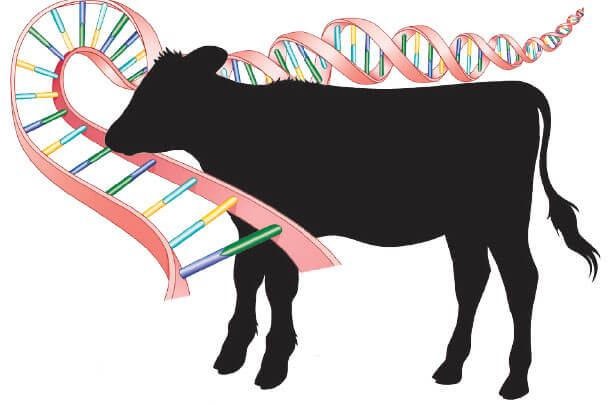
When Chinese researchers deleted a gene that limits muscle growth in mammals so that rabbits would grow leaner, their creations exhibited an unusual characteristic: enlarged tongues. Similar experiments on Chinese pigs led some to develop an additional vertebrae. Gene-edited calves died prematurely in Brazil and New Zealand.
…
“Humans have a very long history of messing around in nature with all kinds of unintended consequences,” said Lisa Moses, an animal bioethicist at Harvard Medical School’s Center for Bioethics. “It’s really hubris of us to assume …. that we can predict what kinds of bad things can happen.”
…
Proponents say they are engineering mutations just as traditional crossbreeding does, only faster. Though no gene-edited animal products have reached markets yet, the potential benefits to farming have led many big agricultural nations to join the race.
We all have them. This brother-in-law or sister-in-law, who is very active on social networks. You accepted his friendly request for family duty …. while trying not to engage in his conspiracy speeches against technology, science, industry, and food.
My sister-in-law Rachel (name changed to protect the innocent … really innocent) is a fascinating specimen that I’m studying not only as a naturophile casepathological radical, but that I also use as a resource to find many sites of activists that I could never find alone.
…
Rachel has been conditioned to attack anyone who challenges the simplistic solutions of her tribe …. Their answers are simple: those who do not agree with them are hired by Monsanto (This is the short form for any industrial organization that manages in one way or another to control each scientist and each government representative).
…
So, how should I talk to my sister-in-law this Christmas?
…
Speak in contextual rather than numerical terms …. Rachel is numerically illiterate …. So when she says that breakfast cereals are “stuffed” with pesticides or that Cheerios are “sprayed” with glyphosate, do not give her the number of parts per billion, but tell her that she should eat 4,000 cans per day to be exposed to insignificant risk.
University of Utah Health researchers have identified some genetic factors that may increase a person’s risk of dying by suicide, according to the results of a newly published study.
Variants in four genes — known as APH1B, AGBL2, SP110 and SUCLA2 — were identified as being noticeably associated with suicide risk.
…
Using the statistical resources of the Utah Population Database, U. researchers studied 43 extended families that, over the course of several generations, exhibited high suicide risk. Gene variants determined to be prevalent in these families were then tested for their frequency in a generalized sample of 1,300 suicides in Utah for which DNA was available.
…
U. psychiatry professor Hilary Coon, first author of the paper published in Molecular Psychiatry, said there is considerable value in using suicide data from large extended families across generations, because they share genetic traits but not necessarily environmental factors that can also have an effect on suicidal behavior.
…
What it is about the four gene variations that specifically influence a person to be more likely to die by suicide will be much more difficult to discover, compared to the work that went into identifying them in the first place, Coon said.
“There’s a lot more work to find out exactly what that mechanism is … that results in a behavioral change,” she said.
Read full, original post: University of Utah researchers identify 4 gene variants linked to heightened suicide risk
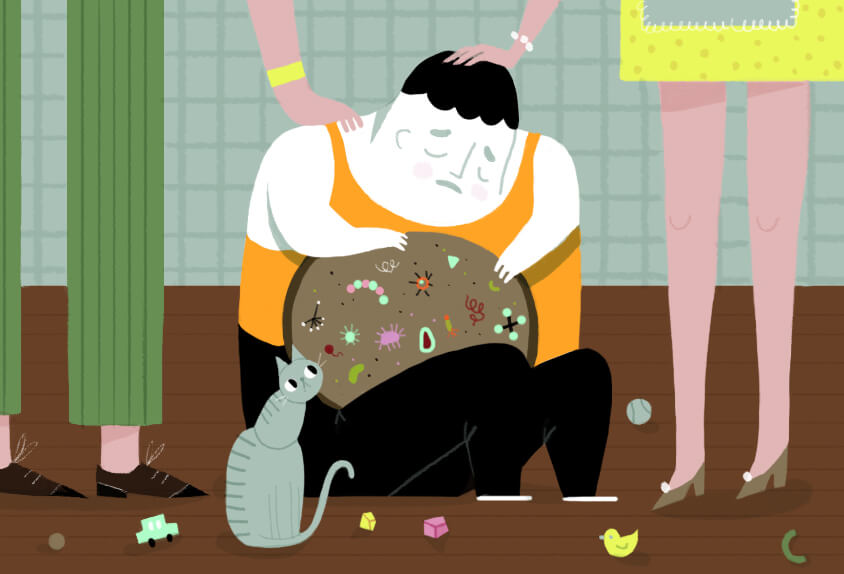
Autism affects people’s social behaviour and communication, and may impair their ability to learn things. All this is well known. Less familiar to most, though, are the gastrointestinal problems associated with the condition. The intestines of children with autism often harbour bacteria different from those in the guts of the neurotypical.
…
Unfortunate though this is, the upset gut floras of autistic people are seen by some investigators as the key to the condition—and to treating it.
…
A study just published in Neuron suggests that it is. In it, Mauro Costa-Mattioli of Baylor College of Medicine, in Texas, and his colleagues demonstrate that introducing a particular bacterium into the guts of mice that display autistic symptoms can abolish some of those symptoms. The bug in question is Lactobacillus reuteri. It is commonly found in healthy digestive systems and helps regulate acidity levels. And it is also easily obtainable for use as a probiotic from health-food shops.
…
The general availability of L. reuteri does, however, bring with it another possibility—that people will conduct their own, “off label” trials, either on themselves or on their children. Dr [Sarkis] Mazmanian is cautious about that idea. “I don’t know if there is a barrier to people buying and using this stuff now. It may be strain-specific and the paper does not state which strain or strains were used,” he says.
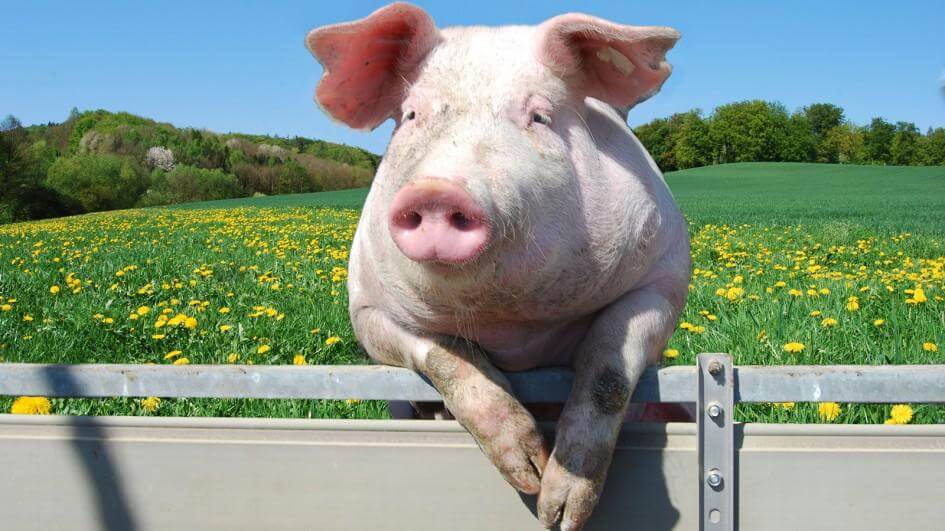
The meat and poultry industry is in need of novel methods to stave off infection. A group from the College of Animal Sciences, Jilin University in China has combined the gene-editing tool CRISPR-Cas9 with the gene expression silencing technique of RNA interference (RNAi), to develop genetically modified pigs that are protected from classical swine fever virus (CSFV.)
Classical swine fever, caused by CSFV, is a highly contagious, often fatal porcine disease that causes significant economic losses in the swine industry. CSFV can be transmitted both horizontally (from one pig to another) and vertically (from mother to offspring), and both domestic pigs and wild boar are highly susceptible to CSFV infection.
…
The authors write that their work demonstrates that, “RNA interference (RNAi) technology combining CRISPR-Cas9 technology offered the possibility to produce transgenic animals with improved resistance to viral infection and that the use of these transgenic pigs can reduce CSF-related economic losses.” And that news, many can agree, is far better than headlines of bacon shortages.
When Emirates Flight EK203 landed at New York’s John F. Kennedy Airport last September, it did not proceed to its scheduled gate.
Arriving with a number of sick passengers, the plane was instead quarantined in a designated area on the airfield. All on board were screened, with those who were sick transported to nearby hospitals. The whole operation was overseen by the Centers for Disease Control and Prevention, which for years had been preparing a “safety net” for just such a situation.
And for good reason.
Commercial air travel poses challenges when it comes to containing the spread of infectious disease. In order to get from one place to another by plane, travelers must expose themselves to many germ-covered surfaces and put themselves in close proximity to many people — some of whom could be sick.
In the video [below], STAT looks at where air travelers are particularly susceptible to picking up a bug and what protocols the CDC has in place to control the situation in the event an illness does start to spread on an aircraft.
Cowpea is the most widely produced grain legume in Ghana and a key food security crop. In northern Ghana, where most of Ghana’s cowpea is produced, the crop helps households overcome the annual hunger gap between planting and harvesting times. This is important for regions that have a monomodal rainfall distribution with a long lean season.
…
Rice is a staple food across Ghana. Some estimates suggest that rice is the most consumed cereal per capita after maize ….
This paper uses an innovative research process to quantify the potential impacts of releasing and adopting insect-resistant (IR) cowpea and nitrogen-use efficient (NUE) rice in Ghana …. Ghana’s stakeholders selected the two genetically modified (GM) technologies discussed here based on their assessment of these GM products’ regulatory advancement and their economic and political importance …. [T]he authors estimate that the benefits of adopting IR cowpea are between US$5.5 million and US$125.3 million, and between US$1.9 million and US$153 million for NUE rice.
…
These findings underscore the opportunity for policymakers and decision makers to invest in policies that …. foster conditions to increase farmers’ and consumers’ uptake of these technologies. Investments in effective extension practices and seed delivery might be one such policy that could merit the attention of decision makers.
What intellectual capacities—or if one prefers, cognitive virtues—should the citizens of a modern democratic society possess? For decades, one dominant answer has been the knowledge and reasoning abilities associated with science literacy. Scientific evidence is indispensable for effective policymaking.
…
This account definitely isn’t wrong. But the emerging science of science communication, which uses scientific methods to understand how people come to know what’s known by science, suggests that it is incomplete.
Indeed, it’s dangerously incomplete. Unless accompanied by another science-reasoning trait, the capacities associated with science literacy can actually impede public recognition of the best available evidence and deepen pernicious forms of cultural polarization.
The supplemental trait needed to make science literacy supportive rather than corrosive of enlightened self-government is science curiosity.
Simply put, as ordinary members of the public acquire more scientific knowledge and become more adept at scientific reasoning, they don’t converge on the best evidence relating to controversial policy-relevant facts. Instead they become even more culturally polarized.
…
What, then, should educators, science journalists, and other science communication professionals do to enlist the benefits of science curiosity?
The near-term answer to this question is straightforward: join forces with empirical researchers to study science curiosity and the advancement of their craft.
All eyes in India are currently on the country’s Supreme Court where the agro-biotech giant Monsanto is battling to reclaim its patent for the pioneering Bt Cotton technology. This will be the court’s first interpretation of convoluted issues relating to the patentability of plant varieties and its decision will be a turning point for the entire biotechnology industry and its ability to protect plant-related inventions in India.
With hundreds of patent applications in the area already granted, and others pending, it is to be hoped that the court examines all the issues exhaustively so that the ruling does not prove to be a nemesis for these patent applications and future biotech innovations.
The case began with an infringement suit filed in Delhi by Monsanto against the Indian agribusiness company, Nuziveedu Seeds earlier this year. A two-judge bench of the Delhi High Court (DHC) revoked the company’s Indian patent covering the DNA expression construct and a method for preparing the transgenic Bt Cotton plant using this expression construct.
African Agricultural Technology Foundation (AATF) on [December 16] expressed displeasure over lack of knowledge of Genetically Modified Organism (GMO) among …. African Sub-region farmers.
The Foundation’s Regional Director, Dr Issouhou Abdurhamane, made the observation when he led a team to the News Agency of Nigeria (NAN) forum to sensitize Nigerians on Genetically Modified Organism (GMO).
…
AATF, a non-profit organization based in Nairobi, Kenya, is designed to facilitate and promote public, private partnerships for access and delivery of appropriate agricultural technologies for use by resource-poor smallholder farmers in sub-Saharan Africa.
According [to] Abdurhamane, African farmers and Africa Sub-region were yet to apprehend the scientifically developed technology which could go a long way to boost agriculture in [the areas] of livestock production, animal feeds, and food crops.
…
[T]he AATF official assured that with the adoption of GMO in agricultural practices in Africa, there would be bountiful increase in the sector. He, however, condemned the belief that GMO was harmful and capable of causing diseases including cancer. “This is one of the problems itself because there are many people who don’t want to see biotechnology development in Africa, especially the use of GMOs.”
The year is 2030, and artificial intelligence has changed practically everything. Is it a change for the better or has AI threatened what it means to be human, to be productive and to exercise free will?
You’ve heard the dire predictions from some of the brightest minds about AI’s impact. Tesla and SpaceX chief Elon Musk worries that AI is far more dangerous than nuclear weapons. …
But many experts, even those mindful of such risks, have a more positive outlook, especially in health-care and possibly in education.
That’s one of the takeaways from a new AI study released Monday [December 10] by the Pew Research Center and Elon University’s Imagining the Internet Center. Pew canvassed the opinions 979 experts over the summer, a group that included prominent technologists, developers, innovators and business and policy leaders.
Respondents, some of whom chose to remain anonymous, were asked to weigh in on a weighty question: “By 2030, do you think it is most likely that advancing AI and related technology systems will enhance human capacities and empower them?”
Nearly two-thirds predicted most of us will be mostly better off. But a third think otherwise, and a majority of the the experts expressed at least some concern over the long-term impact of AI on the “essential elements of being human.”
…
“There’s a quite consistent message throughout answers…that some good things would emerge and there were some problems to worry about,” says Lee Rainie, director of internet and technology research at Pew Research Center.
When Chinese scientist He Jiankui announced the birth of the world’s first gene-edited babies, it shoved one of the most promising new medical tools into the public eye.
Jiankui used CRISPR gene-editing technology to modify embryonic genes of twin girls to make them resistant to HIV. Clearly, the reaction from the scientific community has been overwhelmingly negative, with critics questioning the ethics behind the trial and calling for a moratorium on similar research. But what does the public think about this technology and its implications? Do they see it as safe? And how would they like to see it used?
The development of in vitro fertilization (IVF) and preimplantation genetic diagnosis (PGD) brought with them a range of concerns regarding potential misuses. A decade ago, a study published in Nature asked whether parents would use the power to choose desired traits for their babies, while another paper argued that PGD is a form of “neo-eugenics”. Although fairly neutral in tone, the paper introduced a term which exhibits an obvious connotation with cruel eugenics practices of the 20th century.
In the meantime, devastating diseases such as Tay-Sachs, Huntington’s and Duchenne muscular dystrophy have no cure and cost millions of dollars in treatments. The emotional, physical and financial burdens can make these diseases essentially unmanageable. The development of promising technologies, including CRISPR gene editing, seems to offer hope for better treatments or even cures.
Controversial Chinese scientist He Jiankui.
That media problem
Often, we see mainstream media coverage adopting sceptical positions towards transformative technologies. Consider that the introduction of IVF was accompanied by eerily similar headlines. Fortunately, despite being framed that way, the technique obtained a green light and helped a lot of people.
But will this be the case with gene editing in the era that demands absolute consensus?
Public debates about altering the human genome have been going on for a while. The growing use of CRISPR has merely intensified them. Pew Research Center published the results of their latest survey in July, revealing that most Americans have concerns about the implications of gene editing.
But if we look closely at the graphic, it’s actually not so bleak. By comparing “very likely” numbers in negative expectations and “fairly likely” in positive expectations, we see a glimmer of hope: While 58 percent of Americans think it’s very likely that inequality will increase, 48 percent believe with a degree of certainty that it will pave the way for new medical advances and help people live longer and better-quality lives. While the “fairly likely” option is an expression of a cautious optimism rather than a radical certainty, it should be considered just as valid because the question being discussed is currently under development.
Mis- and disinformation are distorting science and public policy. Subscribe to our Daily and Weekly Digests for incisive coverage of ‘disruptive’ innovations in AI, agricultural biotechnology, food, chemicals, nuclear energy, vaccines, and other disruptive innovations.
Looking at the estimates the Pew Research study provides, we can see a reflection of the narrative most widely used in the coverage of gene editing by the media. Specifically, rising inequality issues and limited access for some populations. This narrative has been repeated so many times it has become a default starting point for discussing the implications of this technology. Incidentally, it ticks off three of the most powerful emotions that researchers identified when it comes to creating negative bias in processing information: dread, fear and outrage.
That’s where we find one of the biggest challenges for science communicators. The general public is not always familiar with specific terminology and often lacks sufficient information needed to understand proposed scenarios. It makes it easier for those people to be influenced negatively by outside sources. Therefore, subjective perception takes center stage in forming opinions that will shape our future health policy and wellbeing of our children.
In his interview with Freakonomics in 2011 Peter Sandman, author of “Responding to Community Outrage: Strategies for Effective Risk Communication” described a hypothetical situation in which factory executives present accurate data to the public to prove their factory’s emissions don’t cause leukemia. At the end of the day however, “You’re still the factory that they wish wasn’t in their neighbourhood. And all the sources of outrage are still there, and when you correct the hazard perception, the outrage doesn’t go down… It may in fact go up”.
Applying risk perception theory to germline editing shows that the technology hits many of the marks that Sandman says could determine the level of acceptance by the public. Among them:
Artificial
Exotic/unfamiliar
Hard to understand
Non-reversible
Affecting children / future generations
Being controlled by “the system”
Morally and/or ethically objectionable
Operating by a closed process
Having more media attention
As we can see, each of those points can be easily transformed according to context and used in swaying public perception against gene editing. Positive narratives, on the other hand, don’t provide a message powerful enough to counter an enormous level of emotion generated by the outrage factors.
As a result, genome editing (borrowing from Sandman’s example above) could simply be a factory a lot of people don’t want to see built. Whatever the benefits, in the eyes of many it just doesn’t feel right.
And while the arguments about the evils of restricted access and inequality remain prominent in the debate, they seem illogical when considered from a historical perspective. Would anyone argue that penicillin or the polio vaccine should have been halted because they couldn’t be instantly accessible to everybody on the planet? Introducing widespread access to a new technology is a gradual process. It can’t happen overnight.
Anna Everette is a freelance writer with a keen interest in genomics and biotechnology. Follow her on Twitter @annaeverette16
Around the world, scientists using biotechnology advances to breed new crops are bound by an array of guidelines and regulations enacted by the nations in which they operate. Many of these countries have built these legal frameworks based, at least partly, on guidance from the Convention on Biological Diversity and the Cartagena Protocol on Biosafety.
Forty African nations are members of the convention, which emphasizes the need to protect human health and environment from the possible adverse effects. Yet only a few of these countries have enacted internal laws and regulations allowing their scientists to engage in modern plant breeding using genetic engineering with the goal of producing GMO crops.
At a recent conference in Kampala, Sunday Igu Rocks Akile presented a paper looking at the regulatory status of biotechnology applications in Africa. Akile is the programme officer for the African Biosafety Network of Expertise (ABNE).
Akile argues that challenges are presented by the wide range of regulatory operations throughout the region. This, despite that fact that many of the pests and diseases ravaging agriculture are common across borders. And with porous international boundaries, there is no way farmers will be stopped from exchanging farm items, including seeds.
Considering that seeds developed in one nation might work just as well in a neighboring country, it seems likely that there will be unregulated spread of GM seeds.
Biosafety rules operate within a framework of other laws in each particular country. These may include environmental, administrative and civil laws governing liability and redress in civil matters. For instance, most of nations in East Africa employ an administrative system governed by a National Biosafety Committee (NBC). The committee is tasked with handling applications for permits for research, multi-location trials and commercial releases.
A farmer in Burkina Faso growing GM cotton, before the growing of GM cotton in that country was halted Image credit: Lominda Afedraru
The five East African countries agreed to the Cartagena Protocol between 2003 and 2008. Burundi and Rwanda did so in 2008, but still have no functional regulatory system. Tanzania joined in 2003, and now handles its biosafety regulation through the Environmental Management Act.
According to Akile, Uganda represents promise for biotech development in Sub Saharan Africa, with more than 15 variants in developments in confined field trials.
Supervision of those trials is handled by research institutes and monitored by Uganda National Council for Science and Technology (UNCST). There is a policy in place, the Biotechnology and Biosafety Policy 2008 and an administrative system capable of receiving applications, reviewing, and making decisions.
Inspection, monitoring and review decisions are facilitated through collaboration with other agencies, including the Ministry of Agriculture, Environment and Health.
But despite a growing framework, efforts are in danger of stagnation because Uganda still has not decided how, or even if, it will allow the commercialization of GM crops. A law was passed by Uganda’s Parliament in 2017, but the president refused to sign it, while asking for more information on some aspects. Legislators have responded with a modified version, which now awaits a signature.
Here’s a look at what’s happening in other African nations:
Kenya ratified the Cartagena Protocol on the same day as Uganda and its National Biosafety Authority was established by the Biosafety Act of 2009. There is a National Policy on Biotechnology and Biosafety under which its administration is set up. The agency conducts its business through a Board of Directors.
Sudan already is growing Bt cotton, implemented through its National Variety Release Committee. It approved the release of two Bt cotton varieties, a hybrid and an open pollinated one for commercial production. In 2013, the farmers planted Bt cotton on 121,500 hectares in rain-fed areas and on 81,000 hectares under irrigation. The yields led to 126-166 per cent increase of cotton production. Other countries carrying out trials in Bt cotton include Kenya, Ethiopia, Malawi and Ghana.
The Nigeria government prioritized the functionality of its biosafety regulatory system before passing the biosafety law in 2015. Before then, biosafety was administered within the existing legal framework to ensure the commencement of multi-location trials in the country for Maruca-resistant cowpea and confined field trials for bio fortified sorghum.
Ethiopia has amended its biosafety proclamations by removing harsh penalties for errors and omissions to pave way for confined field trials They have tested BT cotton in confined trials and are about to release the same for commercialization.
Mozambique amended its biosafety law at the end of 2014 and is in the process of establishing a biosafety regulatory system. Currently scientists are testing the Water Efficient Maize in Africa in confined field trials.
South Africa was the first to put the law in place and the country has been growing GMO crops since the year 1996.
Mis- and disinformation are distorting science and public policy. Subscribe to our Daily and Weekly Digests for incisive coverage of ‘disruptive’ innovations in AI, agricultural biotechnology, food, chemicals, nuclear energy, vaccines, and other disruptive innovations.
Adding a new wrinkle to the debate over genetically engineered crops is research into the use of gene drives to control mosquitos and other pests. The technology has the potential to essentially eradicate some pests – and the diseases they carry. But some experts have expressed concerns about unintended consequences of releasing the technology into the wild.
In a recent UN biodiversity conference, a team of conservationists sought to put a moratorium on the ongoing research where scientists in Africa are using gene drive technology to breed sterile male mosquitos to eliminate the population of female mosquitoes which are a cause of malaria in Africa.
Mr. Arthur Makara is among those African scientists who have vehemently opposed a moratorium saying:
This move is by multinational companies from the developed world. They don’t want any scientific progress going on in Africa. They are trying to advance the agenda of selling malaria drugs on the continent to make money for their economies. The same applies to companies manufacturing mosquito nets.
Image credit: Lominda Afedraru
He argues that gene-editing technology should not even be regulated because it is not the same as the technology used to develop GMOs, where foreign genetic material is sometimes introduced into the target plant. In gene editing, scientists are working only with the genes from the target plant.
He urged developed countries to stop interfering with the scientific advancements going on in Africa but rather do it in their own countries.
Dr. Geoffrey Asea, director of the National Crops Resources Research Institute, echoes a similar view saying:
Gene editing is a technology which controlled with potential to improve crops yields and eliminate challenge faced by farmers where s solution must be found to address it, science is advancing world over and so there should be no barrier to block African scientists in carrying out their work.
He trashed the action of activists who are trying to make the work of scientists more difficult, arguing that without scientific advancement the world’s economy will be stagnant.
Lominda Afedraru is a freelance science journalist in Uganda who specializes in agriculture, health, environment, climate change and marine science. Follow her on the Daily Monitor web site www.monitor.co.ug, Facebook or Twitter @lominda25
Organically farmed food has a bigger climate impact than conventionally farmed food …. This is the finding of a new international study involving Chalmers University of Technology, Sweden, published in the journal Nature.
The researchers developed a new method for assessing the climate impact from land-use …. to compare organic and conventional food production. The results show that organic food can result in much greater emissions.
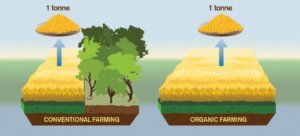
“Our study shows that organic peas, farmed in Sweden, have around a 50 percent bigger climate impact than conventionally farmed peas. For some foodstuffs, there is an even bigger difference — for example, with organic Swedish winter wheat the difference is closer to 70 percent,” says Stefan Wirsenius, an associate professor from Chalmers, and one of those responsible for the study.
Crops yields per hectare are significantly lower in organic farming. Image Credit: Yen Strandqvist/Chalmers University of Technology
…
Even organic meat and dairy products are — from a climate point of view — worse than their conventionally produced equivalents, claims Stefan Wirsenius.
“Because organic meat and milk production uses organic feed-stock, it also requires more land than conventional production. This means that the findings on organic wheat and peas in principle also apply to meat and milk products. We have not done any specific calculations on meat and milk, however, and have no concrete examples of this in the article,” he explains.